Song Meaning
The spoken outro to "Artistry in Rhythm (Live in London)" drops us into a raw, almost disorienting conversation. It immediately sets a tone of profound absence and a life lived off the grid. The initial question, "Where you been, Stan?" is met with a staggering admission: "I haven't been here since '63." This isn't just a casual absence; it’s a chasm of time that dwarfs the intervening years.
The narrative that unfolds is one of deep personal struggle and lost time. The mention of "four years of that time I was in the penitentiary" is stark, hinting at a harsh reality that removed Stan from society. This is followed by an even more disturbing revelation about a self-destructive coping mechanism: "Bourbon and Clorox." The sheer toxicity of this combination, consumed for "three years," paints a picture of a desperate attempt to numb or escape an unbearable existence. The narrator’s apology, "I'm sorry, I've been busy, I guess," feels like a profound understatement, a fragile attempt to bridge the gap created by years of hardship.
The most striking aspect of Stan's account is the contrast between his past and his future outlook. Despite the immense difficulty and lost time he's described, there's a flicker of resolve. He admits, "I probably couldn't give an honest account of where I've been," acknowledging the fragmented nature of his experiences. Yet, he concludes with a determined, "But I know where I'm going to be next year—right here." This simple declaration, returning to the present moment and the place of conversation, suggests a hard-won grounding, a commitment to simply *being* present after years of being absent or lost.
This brief spoken word segment is effective because of its unvarnished honesty and the sheer weight of implication. It doesn't offer explanations or justifications, but rather presents a series of devastating facts about a life derailed by incarceration and addiction. The power lies in the stark juxtaposition of extreme hardship with a quiet, almost defiant, statement of future presence. It’s a testament to the resilience of the human spirit, even when that resilience is expressed through the simple act of showing up next year.
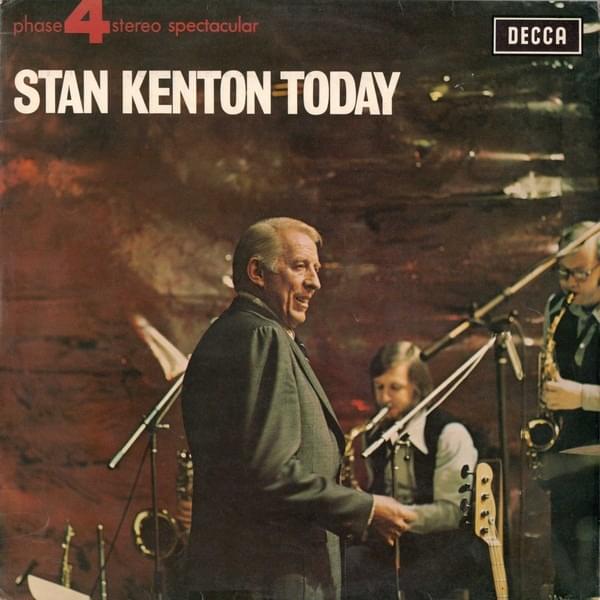
 View Artist