Song Meaning
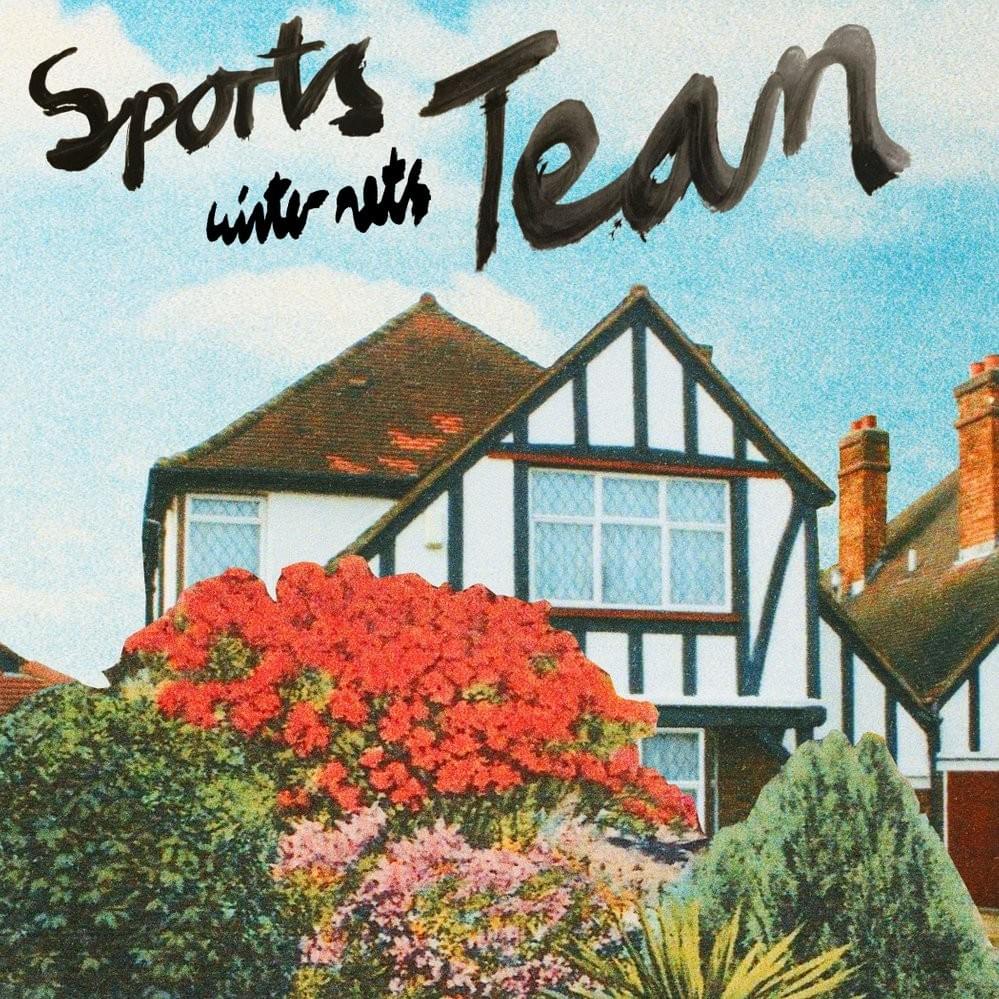
The lyrics paint a disquieting picture of suburban stillness juxtaposed with unsettling undercurrents. A scene on the road unfolds with cars moving slowly, flowers in orderly rows, and empty homes that feel "still like summer." This placid surface is immediately undercut by the observation that "It's hotter than Rome / After a cold December," a contrast that hints at an unnatural or oppressive heat, a feeling that "it's not, so hot" suggesting a denial or a forced calm.
The central tension arises from the "Beverly rose," a figure or entity seemingly observed from a distance, associated with a passive "she'll see how it goes." This is contrasted sharply with images of destruction: "Dead in a row / Crushed in a dusty building." The narrator questions if "monsters" are aware of this devastation, linking it to the "Daily Mail's read by children," a jarring connection that suggests a disturbing normalization or exposure of violence and grim realities to the young.
The most striking craft element is the abrupt shift in the outro, moving from the domestic unease to a surreal, almost absurdist commentary. The phrase "Life in the caliphate / Has got pretty weird of late" introduces a sense of global strangeness, followed by a bizarre instruction to "cut off your finger nails." This culminates in a repetitive, nonsensical image of "The French they all eat horse and horse and horse and horse and horse and horse and horse and snails," a linguistic and thematic non-sequitur that amplifies the overall feeling of disorientation and absurdity.
These lyrics are effective because they build a pervasive sense of unease through subtle contrasts and then shatter it with surreal, almost violent imagery. The initial calm of the "orderly homes" and the passive "Beverly rose" makes the subsequent destruction and the bizarre, repetitive outro feel all the more jarring. The narrator’s detached observations, particularly the repeated "Guess it's not, so hot," create a disquieting distance, leaving the listener to grapple with the unsettling implications of the fragmented scenes.
 View Artist