Song Meaning
The lyrics immediately acknowledge a profound weariness, opening with an empathetic observation: "You wanted to cry, didn't you? You were lonely, weren't you?" This quickly shifts to a vulnerable admission from the speaker: "I wanted to cry... I was lonely..." It's a powerful and immediate connection, establishing a shared emotional space.
The core tension lies in the struggle against daily pressures and unfulfilled dreams, leading to isolation. The lyrics paint a picture of someone "rushed by everyday," feeling their "dreams from back then" fading. This internal battle is compounded by external pressures, where "trivial rumors" cause friction with friends, leaving the narrator feeling "like being cast out alone in the city." It's a vivid depiction of emotional exhaustion and social alienation.
The most striking craft element is the immediate, almost seamless perspective shift in the opening. The initial lines sound like a comforting address to another, but the very next lines reveal the speaker shares the exact same pain. This isn't just offering sympathy; it's offering solidarity, making the subsequent comfort ("It's okay to cry today") feel incredibly authentic and deeply resonant because the comforter understands from personal experience.
The lyrics are effective because they don't just validate pain; they offer a tangible path towards healing and hope, grounded in shared humanity. Phrases like "You're not alone, I'm the same" directly counter the feeling of isolation. The gentle encouragement to "sleep tonight, without thinking anything" provides immediate relief, while the metaphor of "Let's plant a seed now, it will surely become a flower" offers a forward-looking vision. Ultimately, the unwavering declaration, "I love only you," anchors the entire message in unconditional support, making the comfort feel complete and deeply personal.
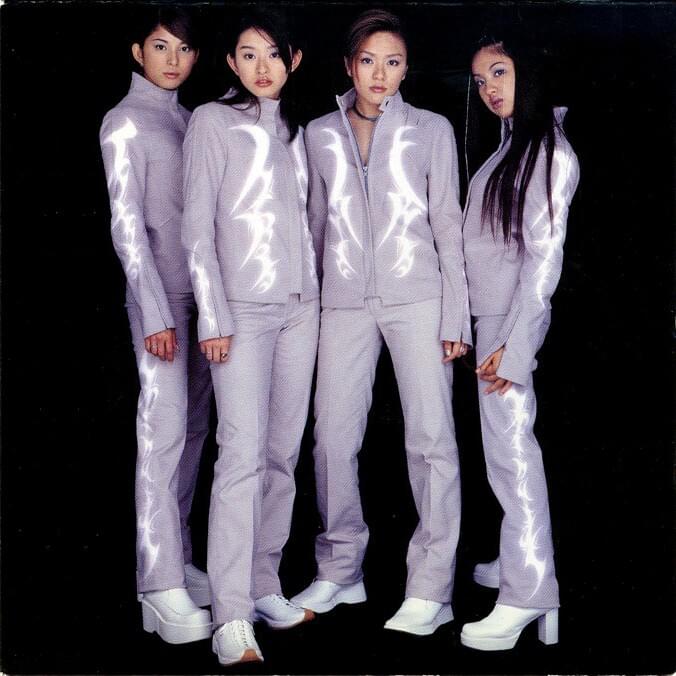
 View Artist