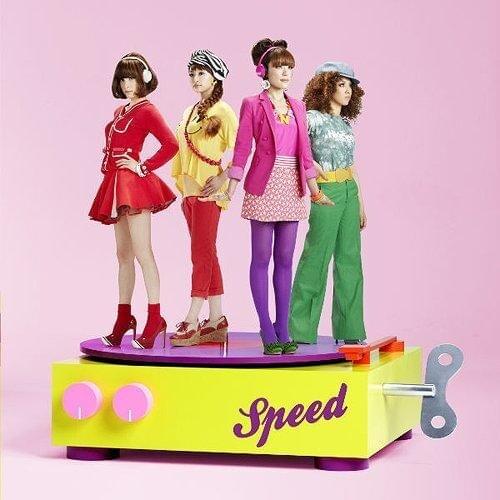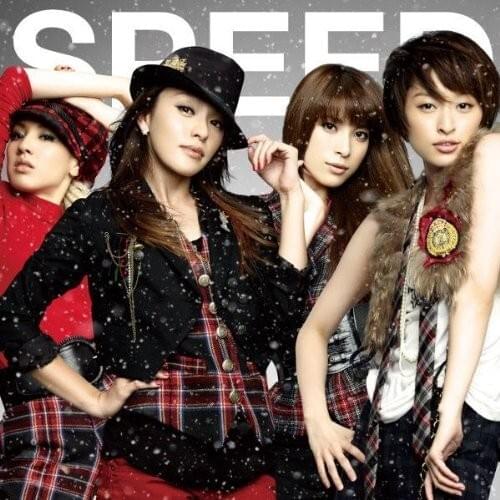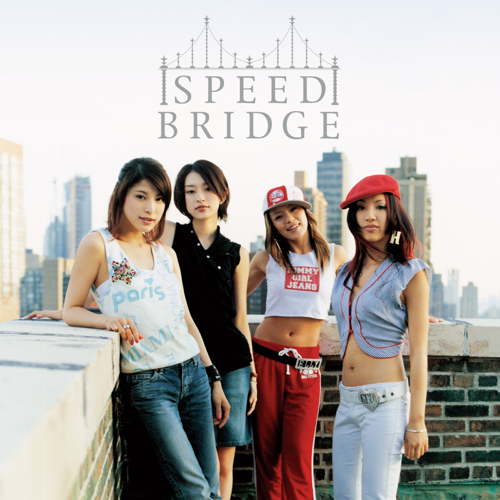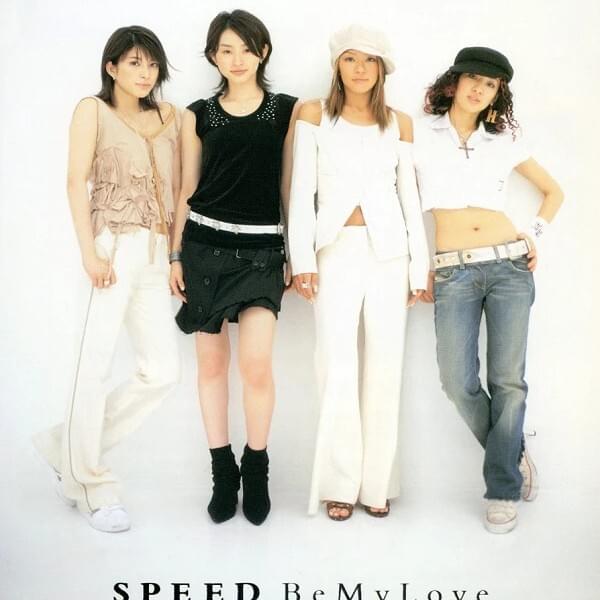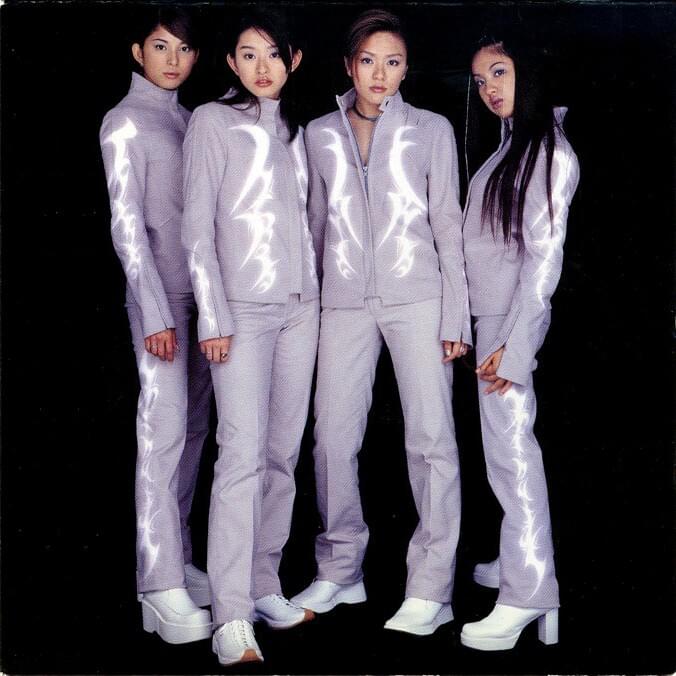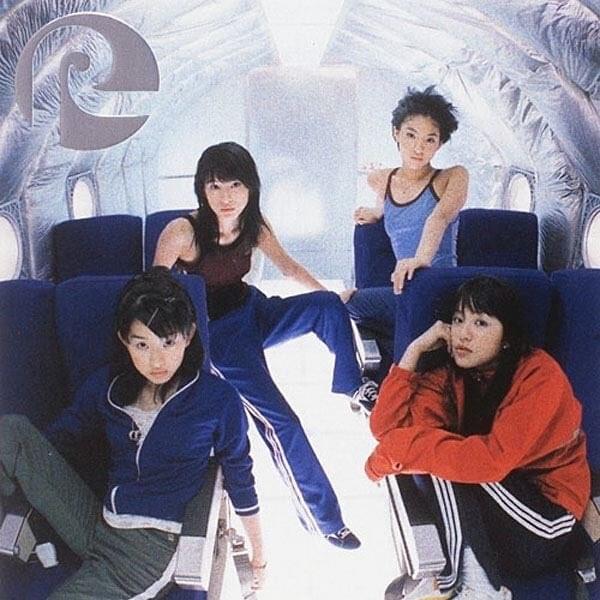
Photo of SPEED (JPN)

SPEED (JPN)

Artist Bio

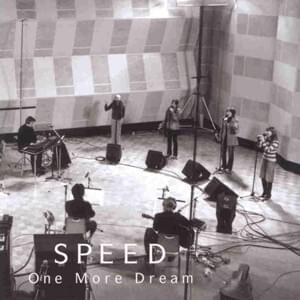
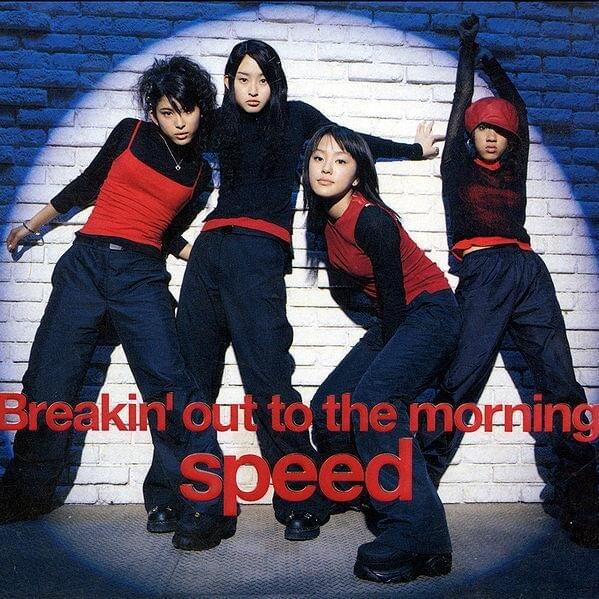
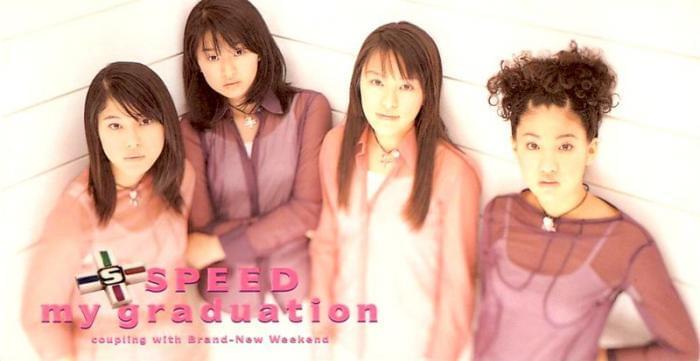
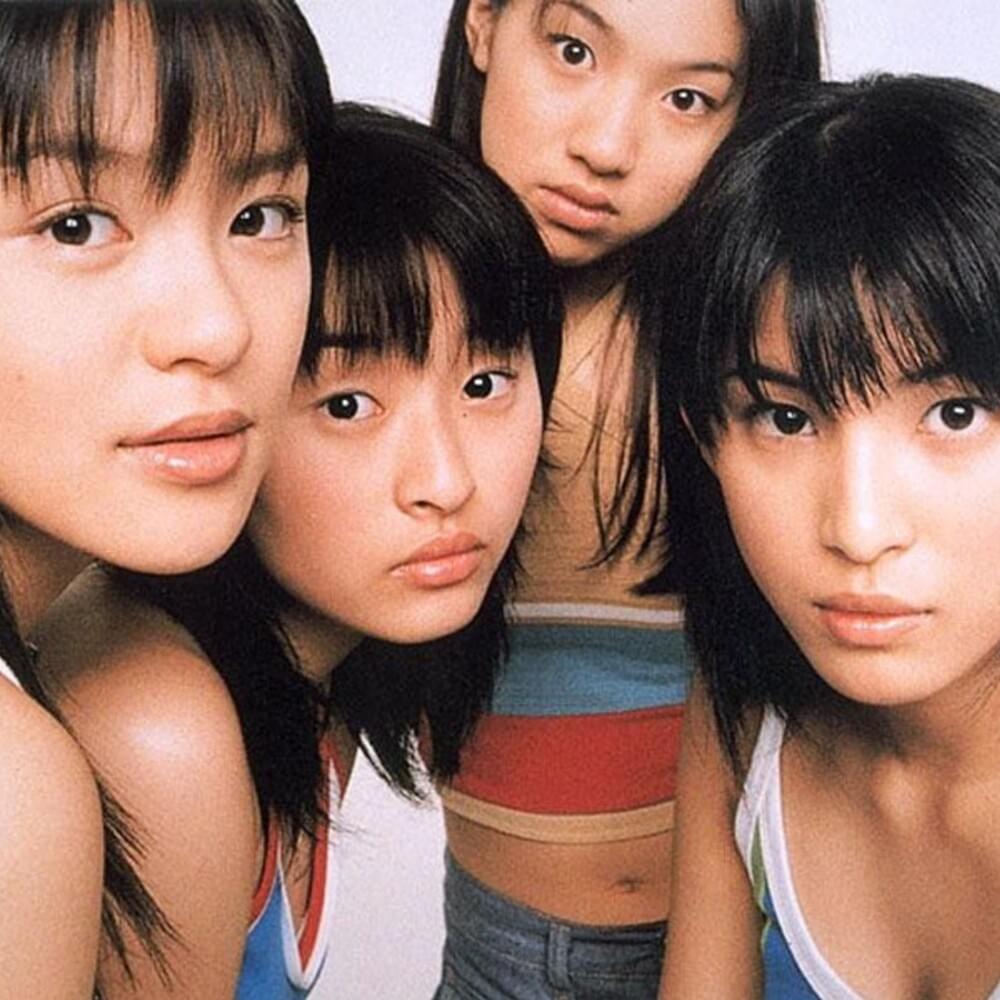
Introduction & Current Status Let’s be real, if you’re talking about foundational J-Pop groups that absolutely slayed the game, Body & Soul-era SPEED (JPN) isn't just in the conversation – they *are* the conversation. This Okinawan quartet didn't just break records; they shattered them into a million glittering pieces, becoming a benchmark for every idol group that dared to dream big in the late '90s and early 2000s. Even after multiple hiatuses and reunions, their influence echoes through the genre like a perfectly timed beat drop. From their electrifying dance moves to those powerhouse vocals, SPEED carved out a legacy that’s still resonating. They gave us the blueprint for high-octane performance and emotional ballads, proving that young women could dominate the charts with sheer talent and undeniable charisma. Today, the hype for SPEED (JPN) remains palpable among a new generation discovering their catalog. Their tracks are digital gold, and their classic performances routinely resurface, proving that true artistry never really goes out of style. They’re a living legend, a testament to what happens when four incredibly talented artists come together and create magic. Early Life & Background The origin story of SPEED (JPN) starts, like many J-Pop legends, at the Okinawa Actors School. This legendary academy was a hotbed for raw talent, a rigorous training ground where future stars honed their craft under intense discipline. It was here that Hiroko Shimabukuro (hiro), Eriko Imai (Elly), Takako Uehara, and Hitoe Arakaki (Hitoe) first crossed paths, each bringing their unique spark to the collective. Growing up in Okinawa, an island with its own vibrant cultural tapestry, instilled a distinct flavor in their artistic upbringing. This wasn't just about singing and dancing; it was about performance, presence, and connecting with an audience on a visceral level. The competitive environment of the school pushed them to excel, developing the sharp skills and unwavering determination that would soon make them household names. Their early exposure to a diverse range of music, from traditional Okinawan sounds to burgeoning Western R&B and hip-hop, undoubtedly shaped their eclectic sound. This fusion of influences, combined with relentless training, laid the groundwork for a group that was ready to revolutionize the Japanese music scene, far beyond just their teenage years. Career Beginnings SPEED’s journey from promising talents to national sensations kicked off in 1996 with their debut single, Body & Soul. It wasn't just a song; it was a statement. Four young women, barely teenagers, burst onto the scene with an energy that was infectious and undeniable. The track immediately showcased their incredible vocal harmonies and their dynamic, synchronized choreography, proving they were a force to be reckoned with. Their early success wasn't a slow burn; it was an explosion. Body & Soul quickly climbed the charts, setting the stage for an unprecedented run. They followed up this initial triumph with equally potent singles like Steady, solidifying their position as the next big thing in J-Pop. These early releases weren't just hits; they were cultural touchstones, capturing the zeitgeist of a generation. The group’s rapid ascent was orchestrated by Vision Factory, their management company, who saw the immense potential in these young stars. Their meticulously crafted image and high-quality production, combined with the girls' raw talent and relentless work ethic, created a perfect storm for superstardom. They weren't just pop idols; they were pop *artists* from the jump, ready to conquer the world one catchy, powerful track at a time. Major Albums & Discography SPEED’s studio albums weren't just collections of songs; they were cultural events, each one pushing the boundaries of J-Pop and setting new benchmarks for commercial success. Their debut album, Starting Over, released in 1997, was an absolute phenomenon, selling millions and cementing their status as the dominant force in Japanese music. It was a potent mix of their signature upbeat dance tracks and heartfelt ballads, showcasing their versatility right out of the gate. They didn't rest on their laurels, quickly following up with RISE in 1998, which somehow managed to outsell its predecessor. RISE demonstrated a more mature sound, incorporating richer R&B influences while maintaining their signature high-energy appeal. Tracks from this era are still considered iconic, defining a golden age for the group and the genre. Their third studio album, Carry On my way, released in 1999, continued their chart dominance, further evolving their sound and proving their staying power. Even after their initial disbandment, their legacy was celebrated with essential compilations like Speed the Memorial Best 1335days Dear Friends 1 and SPEED MEMORIAL LIVE”One More Dream”+Remix!!!, which reminded everyone why they were so beloved. Later reunion efforts brought us albums like BRIDGE and 4 Colors, showcasing their enduring chemistry and musical growth. Even their single releases, like the iconic My Graduation and the lively Go! Go! Heaven (which was technically a single-album), often felt like mini-albums due to their profound impact and extensive track lists. Their live albums, such as Best Hits Live: Save the Children Speed Live 2003, captured the raw energy of their performances, making their discography a treasure trove for J-Pop enthusiasts. Hit Songs & Signature Tracks When we talk about SPEED (JPN), we’re talking about a discography absolutely overflowing with certified bangers and timeless ballads. Their debut, Body & Soul, didn't just introduce them; it introduced a new era of J-Pop. It was a rapid-fire, high-energy track that instantly became a dancefloor anthem and solidified their place in music history, selling over a million copies. Then came Steady, a track that proved they weren't one-hit wonders. This mid-tempo groove showcased their vocal prowess and emotional depth, maintaining their chart dominance and earning them another million-plus seller. It had that quintessential late '90s R&B-pop vibe that still holds up today. But if there’s one song that truly became their defining moment, it’s arguably White Love. This breathtaking ballad, released in 1997, wasn’t just a hit; it was a phenomenon, selling over 1.8 million copies and becoming one of the best-selling singles in Japanese music history. It captured the hearts of millions with its soaring harmonies and heartfelt lyrics, becoming synonymous with winter and romance in Japan. Their hit parade continued with tracks like My Graduation, another emotional ballad that resonated deeply with young people, marking rites of passage and new beginnings. All My True Love brought back the high-octane energy, while Alive and Be My Love showcased their versatility. Don’t sleep on the infectious energy of Breakin’ out to the morning, the dreamy vibes of Snow Kiss, or the introspective feel of Long Way Home; each track contributed to their undeniable legacy, cementing their status as hitmakers with unparalleled cultural impact. Collaborations & Features While SPEED (JPN) was largely a self-contained powerhouse, crafting their unique sound within their core group and production team, their impact on the concept of collaboration within J-Pop is undeniable. They set a standard for what a cohesive unit could achieve, influencing countless groups to follow in their footsteps, often leading to more collaborative efforts within the industry. Their focus remained primarily on their internal synergy, a deliberate choice that highlighted their collective strength as performers and vocalists. This intense internal collaboration, where each member contributed to the group's overall dynamic, was a masterclass in how a quartet could operate as a single, unstoppable force. Post-disbandment and during hiatuses, individual members like Hiroko Shimabukuro (hiro) and Eriko Imai (Elly) embarked on successful solo careers, often collaborating with various producers and artists. These ventures allowed them to explore different genres and artistic partnerships, extending SPEED's influence indirectly across the music landscape. Their legacy isn't just about their own tracks; it’s about the ripple effect they had on how artists approach their craft and collaborate in a broader sense. Awards & Achievements SPEED didn't just win awards; they redefined what was achievable for a young J-Pop group. Their trophy cabinet would be overflowing if they kept track of every single milestone. They were trailblazers, consistently breaking Oricon chart records and setting new standards for sales figures. They famously became the youngest girl group to top the Oricon charts, a feat that felt impossible until they did it. Their singles regularly achieved multi-platinum status, with tracks like White Love selling nearly two million copies, placing it among the highest-selling singles in Japanese music history. Their albums, including Starting Over and RISE, also moved millions of units, cementing their commercial dominance and critical acclaim during their active years. Beyond just sales, SPEED’s impact was recognized through numerous industry accolades, solidifying their position as one of Japan's most successful musical acts. They were regular fixtures at the Japan Record Awards and other prestigious ceremonies, collecting honors for Best New Artist, Best Album, and Best Single. Their achievements weren't just personal triumphs; they were a testament to the power and potential of J-Pop on a global stage, proving that these four women were more than just pop stars – they were cultural icons. Personal Life Navigating superstardom at such a young age inevitably meant a public personal life, though the members of SPEED (JPN) largely maintained a degree of privacy. Their journey involved the unique pressures of being child stars, experiencing immense fame and success before even reaching adulthood. Their initial disbandment in 2000, announced as a desire for the members to pursue individual interests and personal growth, was a significant moment, marking a transition from group identity to individual exploration. Post-SPEED, members like Hiroko Shimabukuro (hiro) and Eriko Imai (Elly) launched successful solo music careers, while Takako Uehara ventured into acting. Eriko Imai also notably entered the political arena, becoming a member of Japan’s House of Councillors. These individual pursuits highlighted their diverse talents and personal ambitions beyond the group's collective identity, showcasing their evolution as artists and individuals. Their various reunions over the years also spoke volumes about their enduring bond and their commitment to their shared legacy, often driven by a desire to give back to fans or support charitable causes, like their involvement with the "Save the Children" initiative that inspired their Best Hits Live: Save the Children Speed Live 2003 album. Musical Style & Influence SPEED’s musical style was a dynamic fusion, a vibrant cocktail of upbeat dance-pop intertwined with smooth R&B influences and a dash of pop-rock edge. Their sound was characterized by fast tempos, intricate vocal arrangements – often featuring compelling call-and-response sections – and powerful, emotive deliveries that belied their young age. They didn't just sing songs; they performed them with an intensity that pulled you in. Artistically, they drew inspiration from both Western R&B acts of the '90s and the burgeoning J-Pop soundscapes, creating something uniquely their own. Their vocalists, particularly Hiroko Shimabukuro, possessed incredible range and control, adding a layer of sophistication to their catchy pop melodies. This blend made their music accessible yet deeply engaging, appealing to a broad audience. Their legacy is immense. SPEED single-handedly influenced a generation of Japanese idol groups, setting the bar for performance, vocal ability, and stage presence. Their high-energy choreography and powerful stage presence became a blueprint for subsequent acts. They proved that a girl group could be both commercially successful and critically respected, leaving an indelible mark on J-Pop history and inspiring countless artists to aim for that same level of main character energy. Recent Work & What's Next While SPEED (JPN) might not be dropping new albums annually, their presence in the J-Pop universe is anything but diminished. Their journey has been marked by strategic reunions and anniversary celebrations, each one serving as a powerful reminder of their enduring appeal and the deep connection they share with their fanbase. These moments are less about chasing trends and more about honoring a legendary catalog and the bond between the members. Recent years have seen a resurgence of interest in their classic material, with digital re-releases and retrospective features introducing their iconic tracks to a fresh audience. Their music continues to find new life on streaming platforms, proving that timeless bops never truly fade. Fans are always buzzing with anticipation for any potential live appearances or special projects, keeping the SPEED (JPN) flame burning bright. Looking ahead, the future of SPEED (JPN) is less about a conventional album cycle and more about celebrating their unparalleled legacy. Whether it’s through special concerts, re-mastered collections, or even individual member projects that carry the group’s spirit, SPEED remains a vital touchstone in J-Pop.

Popular Albums

Popular Songs

Reviews

Comments

Questions & Answers

Music Awards

0 Total

No Music Awards Found