Song Meaning
The lyrics paint a stark picture of profound disengagement, built on a foundation of negation. The repeated phrase "I'm not" acts as a blunt refusal to participate in daily life, from basic grooming like shaving to social obligations like working or eating with someone. This isn't just a bad day; it's a deliberate withdrawal, a conscious decision to opt out of everything that constitutes a normal routine. The narrator declares "I'm not at my best today" and "I'm not getting dressed today," establishing a pattern of deliberate inaction that permeates the entire narrative.
The central tension lies in the narrator's state of being, or rather, not being. They are "not myself any day," existing in a perpetual state of ambiguity, "in or out or up or down." This isn't a temporary slump but a fundamental identity crisis, a feeling of being disconnected from any stable sense of self or place. The refusal to engage extends to consumption and entertainment – "not buying nothing new," "not trying nothing new," "not watching my TV," "not reading magazines" – suggesting a complete cessation of external input and personal growth.
The most striking aspect of the craft is the relentless use of negation, not just as a statement but as an active verb. The narrator isn't passively experiencing a lack of things; they are actively *not* doing them. This creates a powerful sense of agency in their own inertia. The brief, sharp interaction with another person, where they are told "You're not my type but you can stay / That's long enough, now go away," highlights the narrator's desire for isolation, even as they briefly acknowledge another's presence before expelling them. It underscores the absolute nature of their withdrawal.
This lyrical approach is effective because it mirrors the feeling of being stuck in a void. The simple, declarative "I'm not" repeated ad infinitum creates a hypnotic, almost suffocating atmosphere. It bypasses complex emotional descriptions and instead presents the raw, unvarnished state of non-participation. The lack of positive action or even strong negative emotion (like anger or sadness) makes the complete shutdown even more chilling, leaving the listener with a potent sense of emptiness.
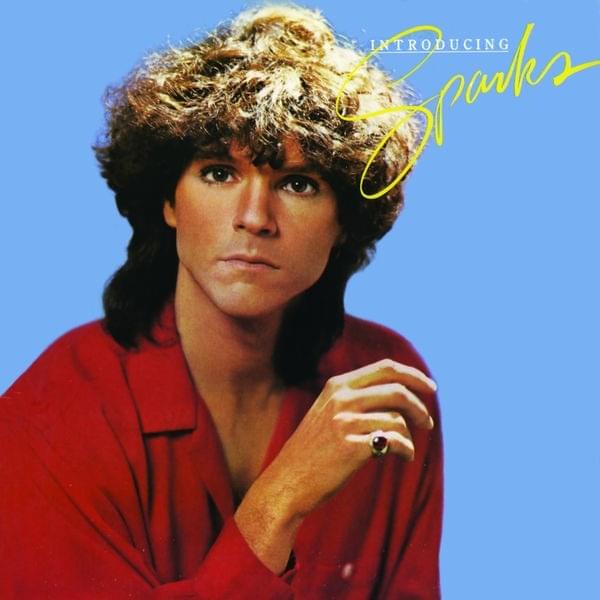
 View Artist