Song Meaning
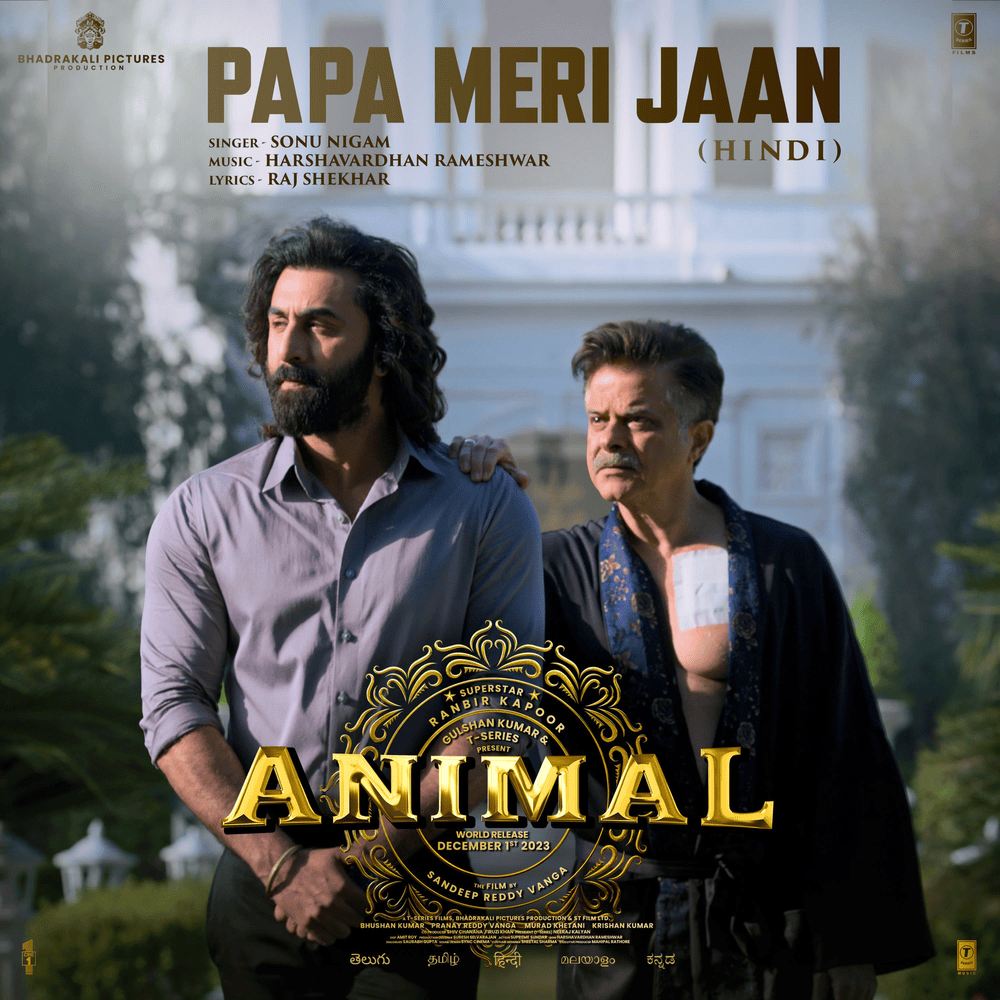
The lyrics paint a vivid picture of profound paternal devotion, positioning the father as the singular guiding light in the narrator's life. The opening lines establish this intensely focused adoration, declaring "the only star in my sky" and "my whole world is you." This isn't just affection; it's presented as an all-encompassing, singular devotion, a "star" and a "world" that eclipses all else, including any notion of other deities. The narrator's world is so centered on this figure that "no one is there" where they have placed him.
The core emotional tension lies in the narrator's plea for continued presence and guidance, coupled with a fierce, protective instinct. The chorus is a direct address, "Papa, my life," begging him to "always keep this hand on my head" and "walk with me," calling him "every milestone." This implies a transition, perhaps the narrator stepping out into the world, but still desperately needing that paternal anchor. The second verse amplifies this, with the narrator promising to protect their father, even offering to "bend the lines on my palm for you," a powerful image of altering fate itself to shield him.
The most striking craft element is the consistent use of metaphors that elevate the father figure to a cosmic and foundational level. He is the "only star," the "whole world," and the "milestone" that defines the narrator's path. The repetition of "you" and the direct address "Papa, my life" create an intimate, almost prayer-like quality. The outro introduces a new layer, with the narrator observing the father's own struggles, "wandering like the sun" through "rivers and deserts," carrying "a fire in his heart." This shift reveals a reciprocal concern, a desire to share the burden and "burn for you" in return.
These lyrics resonate so deeply because they articulate a universal yearning for unwavering support, framed through a specific, almost sacred, paternal bond. The writing doesn't just state love; it demonstrates it through grand, cosmic imagery and fierce, protective promises. The shift in the outro, where the narrator sees their father's own pain and offers to share it, transforms the dynamic from one of pure dependence to a mutual, deeply felt connection, making the emotional impact incredibly potent.
 View Artist