Song Meaning
The lyrics paint a stark picture of a man overwhelmed by persistent "blues," a pervasive sense of melancholy or hardship. He opens by posing a rhetorical question, "What can a man do / When the blues keep following him around?" This sets a tone of helplessness, immediately followed by a resigned, albeit temporary, solution: seeking solace in liquor. The repetition of the question emphasizes the cyclical and inescapable nature of his troubles, suggesting a deep-seated despair that simple remedies can't fully cure.
The narrator's despair escalates to a desperate, almost suicidal, imagery in the second verse. He expresses a feeling so intense it makes him consider drinking gasoline and striking a match, a violent act aimed at self-destruction. This extreme metaphor highlights the crushing weight of his emotional state, where even self-annihilation seems like a potential escape from the relentless "blues." The contrast between the mundane "blues" and the explosive imagery of gasoline and fire underscores the depth of his internal turmoil.
A shift occurs in the third verse as the narrator contemplates a geographical escape, a move back "down south." This move is framed by sensory details, contrasting the imagined sweetness of southern water tasting "like cherry wine" with the harsh reality of "Lake Michigan water" tasting "just like turpentine." This juxtaposition isn't just about taste; it suggests a yearning for a simpler, more pleasant existence, a place where even the basic elements of life feel more appealing and less like poison. The blues, it seems, are not just an internal state but are also tied to his environment and the perceived quality of his surroundings.
Ultimately, the effectiveness of these lyrics lies in their raw, unflinching portrayal of despair and the desperate search for relief. The narrator's journey from seeking comfort in a drink to contemplating self-immolation, and finally to dreaming of a different landscape, reveals a profound struggle against an oppressive force. The vivid, often harsh, sensory details and the escalating intensity of his thoughts make his plight palpable, drawing the listener into his bleak, yet relatable, experience of being hounded by the blues.
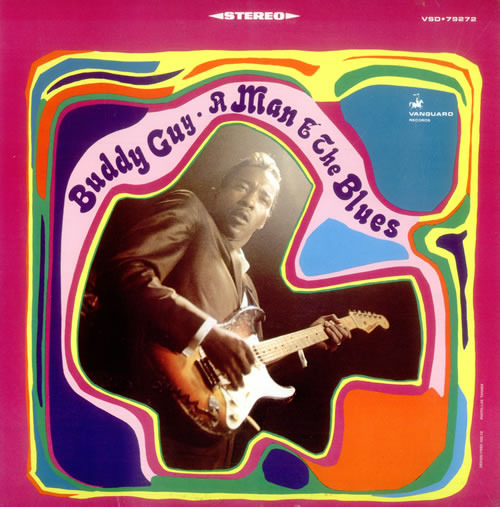
 View Artist