Song Meaning
The lyrics immediately plunge into a narrator's involuntary thoughts of a past love. There's a palpable sense of being trapped, unable to escape the memory. The speaker confesses, "Hoje eu me peguei Pensando em você," revealing a persistent, almost unwelcome presence. This isn't a nostalgic longing, but a struggle against an insistent past.
The core tension here is a brutal internal tug-of-war: "Te amo e não quero te amar." This isn't just a simple breakup; it's a battle against one's own heart. The narrator actively *wants* to forget, stating "Quero não lembrar," yet repeatedly catches themselves speaking of the person. This involuntary nature of remembrance fuels the conflict, making the love feel like an inescapable force rather than a choice.
The lyrics skillfully use repetition and vivid imagery to underscore this struggle. The phrase "Te amo" appears multiple times, emphasizing the confusing depth of this enduring affection. Memories are framed as tangible objects like photos and songs, concrete anchors that refuse to fade. They are then described as "Um filme de amor" that "nunca chega ao fim," a powerful cinematic metaphor conveying an endless, looping replay of the past, trapping the narrator in perpetual recollection.
What makes these lyrics resonate is their raw, unvarnished portrayal of a love that refuses to die, even when actively willed away. The speaker's pain is direct and unadorned, describing how remembering "hurts the heart." By focusing on the involuntary nature of memory and the internal contradiction of loving someone you desperately wish to un-love, the lyrics tap into a deeply human experience of emotional persistence, making the struggle feel intensely personal and inescapable.
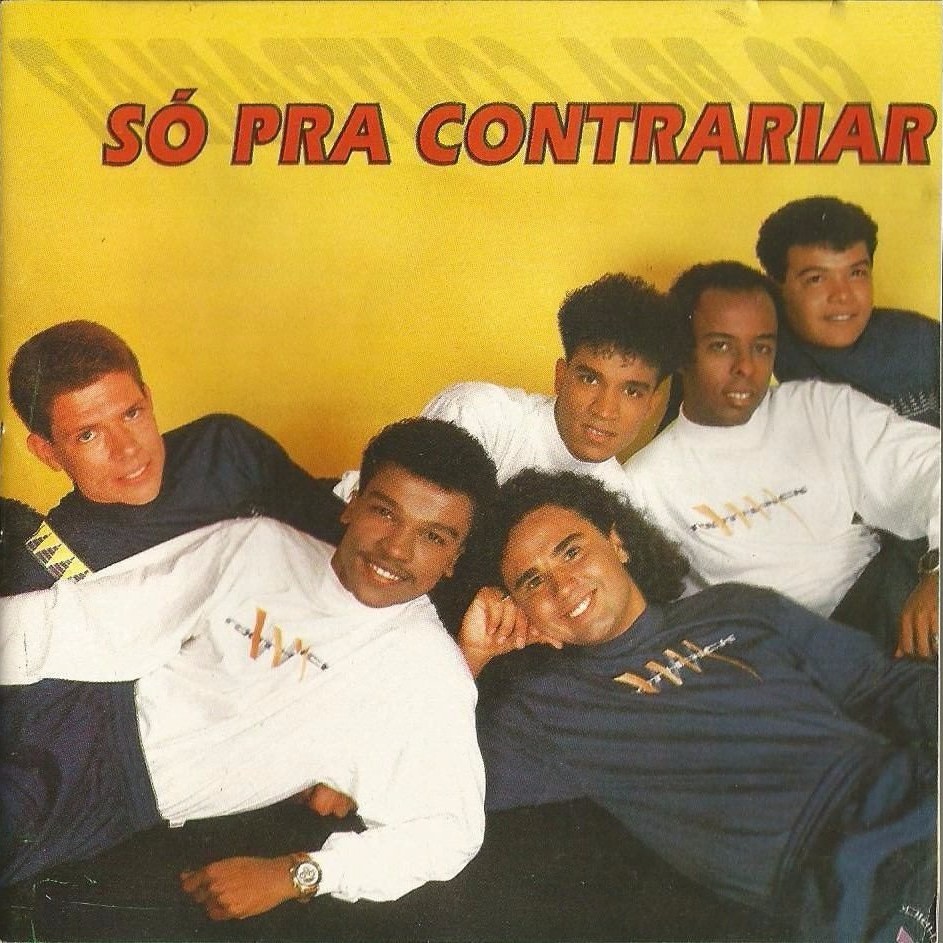
 View Artist