Introduction & Current Status
Só Pra Contrariar, or SPC as they're often called, isn't just a band; they're a Brazilian institution. Formed in Uberlândia, Minas Gerais, they redefined the landscape of pagode, a subgenre of samba. Even after line-up changes and lead singer Alexandre Pires' departure for a solo career, SPC's legacy continues to resonate.
Their influence is undeniable. You still hear their tracks at every churrasco and beach gathering. They set the gold standard for pagode groups in the '90s, and honestly, few have come close since. Think of them as the blueprint.
While individual members have pursued other ventures, the name Só Pra Contrariar still carries massive weight. Any project associated with it is instantly relevant, a testament to their enduring impact on Brazilian music and culture. Their music is timeless, influencing generations of new artists.
Early Life & Background
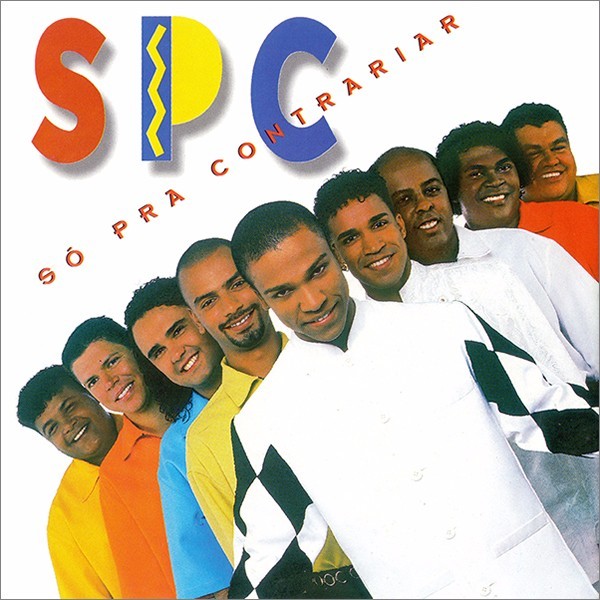
The story of Só Pra Contrariar begins in the late 1980s in Uberlândia. The initial lineup was a group of friends who shared a love for samba and a desire to create something new. Among them were Alexandre Pires, his brother Fernando Pires, and their cousin Juliano Pires.
Uberlândia, while not a major metropolis like Rio or São Paulo, had a thriving music scene. The Pires brothers and their friends were immersed in this environment. They soaked up influences from classic samba artists to emerging pop trends.
Family played a significant role. Music was a constant presence in their homes. This early exposure ignited their passion and laid the foundation for what would become one of Brazil's most beloved bands. It was a humble beginning fueled by a genuine love for music.
Career Beginnings
SPC's early days were marked by relentless gigging. They played local bars, clubs, and any venue that would give them a chance. They honed their skills and refined their sound night after night. It was a grind, but it built a strong foundation.
Their big break came in the early 1990s. They landed a recording contract with BMG, a major label. This was a huge step up, offering them resources and exposure they had only dreamed of.
Key to their success was the support of influential producers and musicians who recognized their talent. These early champions helped them navigate the industry and shape their signature sound. They went from local heroes to national sensations almost overnight.
Major Albums & Discography
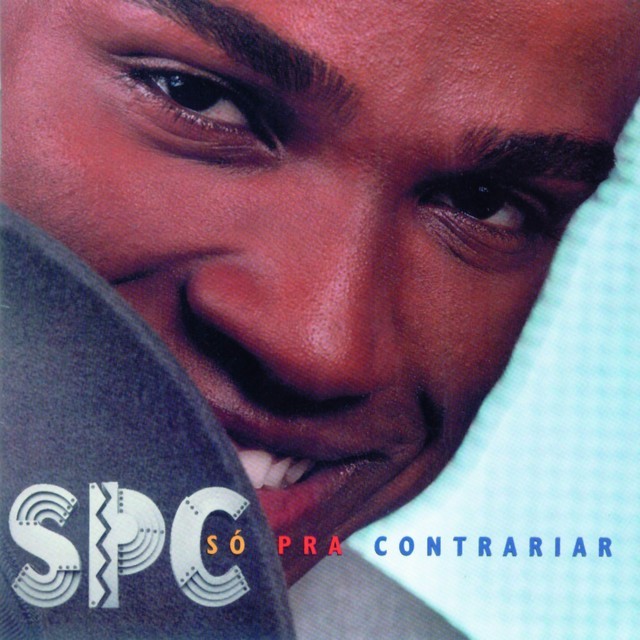
Só Pra Contrariar's self-titled debut album in 1993 catapulted them to stardom. Its blend of infectious melodies and heartfelt lyrics resonated with audiences across Brazil. It was a commercial smash, selling millions of copies and establishing them as major players in the Brazilian music scene.
Subsequent albums like "O Samba Não Tem Fronteiras" continued their success. They experimented with new sounds while staying true to their pagode roots. Each album showcased their growth as musicians and songwriters.
Their albums were not just collections of songs; they were cultural moments. They defined a generation and soundtracked countless romances. SPC's discography is a testament to their enduring artistry and their ability to connect with listeners on a deeply emotional level.
Hit Songs & Signature Tracks
"Depois do Prazer" is arguably SPC's most iconic song. Its melancholic melody and Alexandre Pires' soulful vocals made it an instant classic. It topped the charts and remains a staple of Brazilian radio to this day. The song captures heartbreak in a way that's both universal and distinctly Brazilian.
Another standout track is "Essa Mulher." Its upbeat tempo and playful lyrics showcase a different side of SPC's artistry. It's the kind of song that makes you want to dance and sing along, no matter where you are. It's pure joy in musical form.
Tracks like "Que Se Chama Amor" further cemented their status as masters of romantic pagode. Their ability to craft songs that are both catchy and emotionally resonant is what sets them apart. They understood the power of a good love song. These tracks are timeless, continuing to resonate with new audiences.
Collaborations & Features
Throughout their career, SPC collaborated with a diverse range of artists. These collaborations showcased their versatility and willingness to experiment. They worked with pop stars, samba legends, and international musicians.
These collaborations often resulted in unique musical fusions. They blended their pagode sound with other genres, creating something fresh and exciting. It demonstrated their openness to new ideas and their ability to bridge musical boundaries.
Notable collaborations include appearances on tribute albums and participation in large-scale musical events. These moments highlighted their importance in the broader Brazilian music landscape. They were not just a band; they were part of a larger musical community.
Awards & Achievements
Só Pra Contrariar has received numerous awards and accolades throughout their career. These awards recognize their commercial success and their artistic contributions. They have won multiple Prêmio Multishow de Música Brasileira awards, a testament to their popularity with fans.
Their albums have achieved diamond and platinum certifications, signifying massive sales. These certifications underscore their commercial dominance in the Brazilian music market. They were consistently at the top of the charts.
Beyond awards, their greatest achievement is their lasting impact on Brazilian culture. They helped popularize pagode and brought it to a wider audience. Their music is woven into the fabric of Brazilian life. They've created a cultural phenomenon.
Personal Life
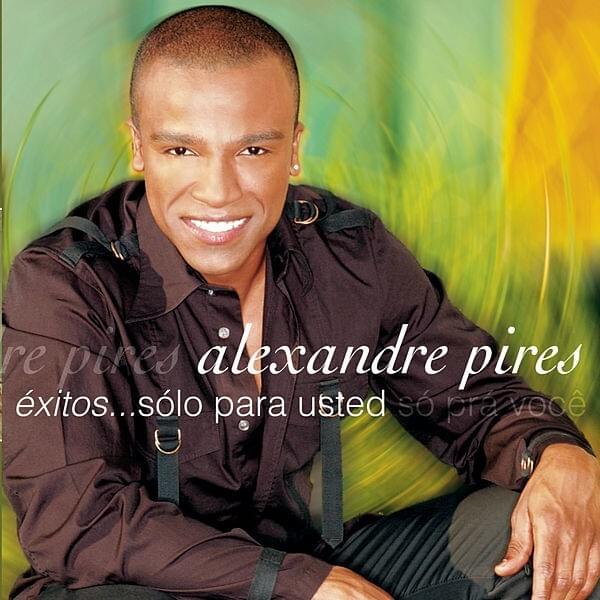
Alexandre Pires, the former lead singer, remains a prominent figure in Brazilian music. His solo career has been successful, and he continues to perform and record new music. He is a household name in Brazil.
The members of SPC have generally maintained a low profile outside of their musical endeavors. They are known for their dedication to their craft and their commitment to their fans. They prefer to let their music speak for itself. They are respected for their professionalism and artistry.
Musical Style & Influence
Só Pra Contrariar is primarily known for their contributions to pagode. Their sound is characterized by infectious melodies, tight harmonies, and Alexandre Pires' distinctive vocals. They blended traditional samba elements with modern pop sensibilities.
They were influenced by classic samba artists like Zeca Pagodinho and Beth Carvalho. They took inspiration from these legends while forging their own unique path. They paid homage to their roots while pushing the genre forward.
SPC, in turn, influenced countless aspiring musicians. They paved the way for a new generation of pagode artists. Their impact on Brazilian music is undeniable. They created a legacy that continues to inspire and resonate.
Recent Work & What's Next
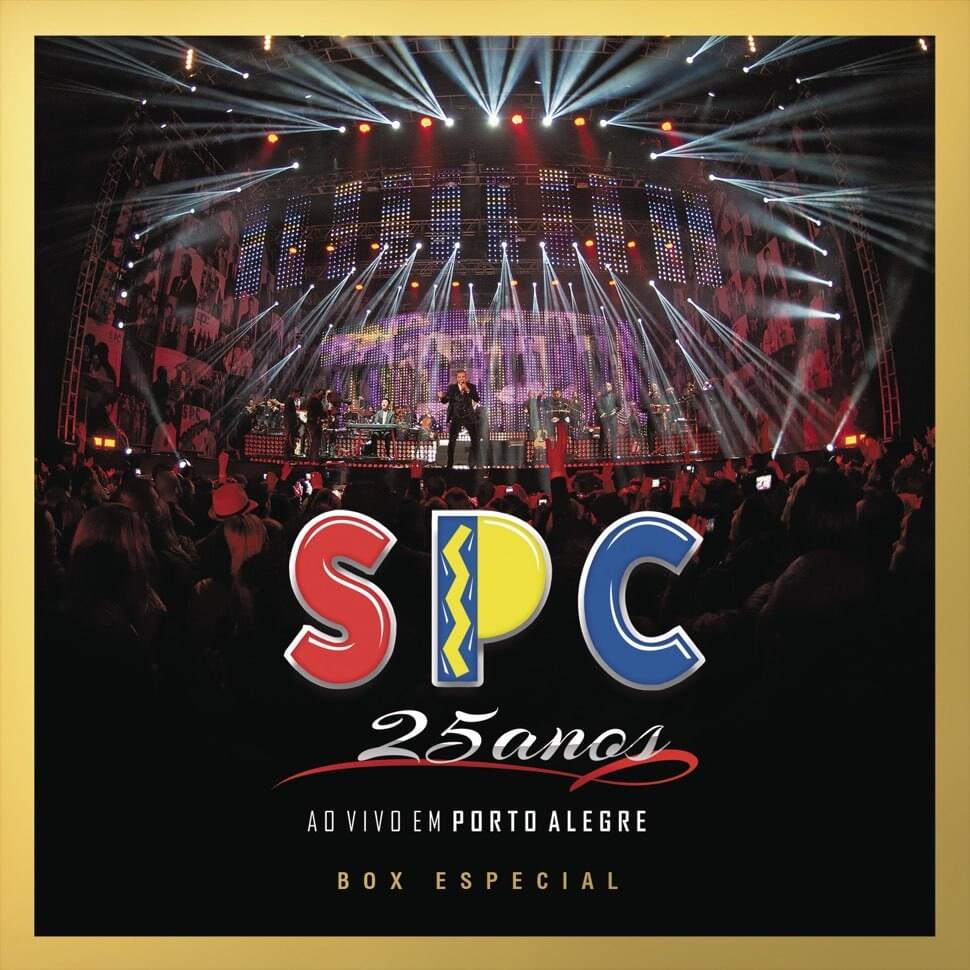
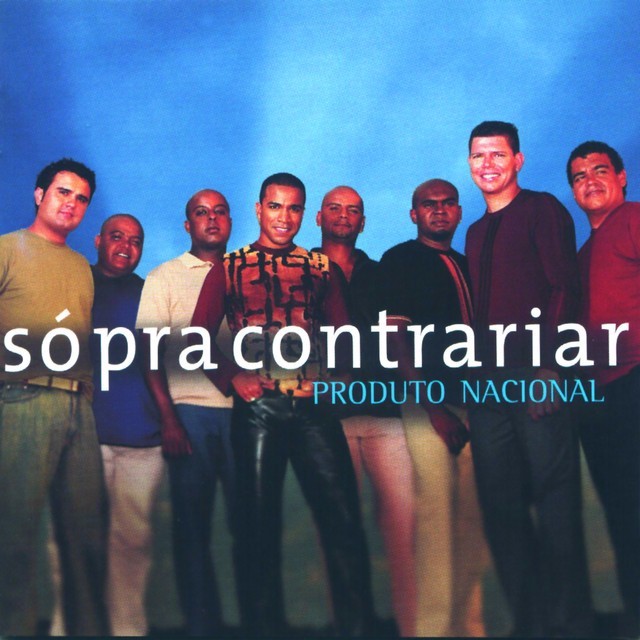
While the original lineup is no longer together, the name Só Pra Contrariar continues to be used for various projects. Alexandre Pires has reunited with former members for special performances and tours. The legacy lives on.
Fans eagerly anticipate any new releases or collaborations under the SPC banner. The demand for their music remains high. They are still a force to be reckoned with. The future is bright, with potential for new music and continued celebrations of their iconic discography.

 Cuando Es Amor
 Que Se Chama Amor
 Mineirinho
 Cola Do Meu Lado
 Quando Eu Amo é Assim
 De Louco Todo Mundo Tem Um Pouco
 Boca a Boca
 Meu Segmento
 Curtição
 A Barata
 É Gostoso Te Amar