Song Meaning
The lyrics open with a rush of intense, almost cinematic romance: "o tempo para" (time stops) as the heart speaks. This immediate, overwhelming feeling leads to a declaration of "Amor perfeito, sem defeito" (perfect love, without defect). Yet, this initial euphoria quickly gives way to a chaotic unraveling, culminating in deep regret and heavy drinking.
A central tension emerges from the speaker's surrender to a captivating, yet clearly dangerous, love. The initial description of a love "do meu jeito" (my way) and "gostosinho" (charming) soon morphs into an admission of being won over by "seu jeito bandido" (your bandit way). This "bandit" quality, while alluring, appears to be the very force that leads to the speaker's downfall, causing them to "Pirei a cabeça, perdi o juízo" (lost my head, lost my mind).
The craft here lies in the stark emotional and linguistic contrast. The early stanzas use words like "perfeito" and "conquistou" to convey a sense of intoxicating, all-consuming passion. This then crashes into the blunt, colloquial language of heartbreak: "Hoje eu bebo todas porque a minha nega se mandou" (Today I drink all because my girl left). The repetition of "se mandou, se mandou" and "me avisou, me avisou" in the final lines underscores both the finality of the departure and the bitter sting of ignored warnings, adding a layer of self-recrimination to the sorrow.
These lyrics effectively capture the intoxicating, disorienting power of a love that defies reason, only to leave devastation in its wake. The narrative arc, moving from idealized infatuation to complete mental disarray and finally to a raw, regretful present, feels viscerally honest. The speaker's admission of having been warned by "o dono do boteco" (the bar owner) grounds the emotional collapse in a relatable, almost tragic, everyday reality.
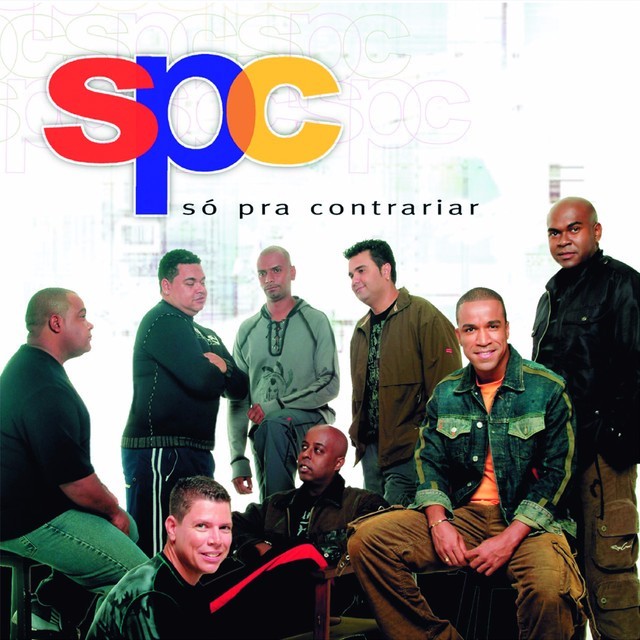
 View Artist