Song Meaning
The lyrics open with a late arrival and a desperate plea: "Deixa a porta aberta pra eu entrar." The speaker admits to being out "a cantar, a sorrir, a vadiar," seeking immediate forgiveness from their partner. It sets a scene of late-night confession and a desire for reconciliation.
A core tension emerges between the speaker's desire for acceptance and their inherent nature. They ask not to be "crucificar" for their lifestyle, asserting, "eu sempre fui da vida." This isn't just an apology; it's a declaration of self, suggesting a fundamental conflict between their personal freedom and the expectations of the relationship. The speaker implies that their "life" is an inseparable part of who they are, making full repentance difficult.
The repetition of "a cantar, a sorrir, a vadiar" isn't just an excuse; it's almost a defiant embrace of their identity, even as they plead for forgiveness. This phrase, coupled with the dramatic "primeira dama" used for their partner, reveals a speaker attempting to navigate a complex emotional landscape. They are simultaneously seeking absolution while subtly justifying their actions by elevating their partner's status, perhaps hoping to appeal to their sense of importance. This strategic flattery highlights the speaker's desperate attempt to smooth things over without fully abandoning their own nature.
These lyrics resonate because they capture the messy reality of love and personal freedom. The speaker's blend of genuine remorse and unwavering self-definition creates a compelling, relatable portrait of someone trying to hold onto both their relationship and their individual spirit. The raw, direct language and urgent pleas make the emotional stakes clear, leaving the listener to ponder the true cost of "reconciliação."
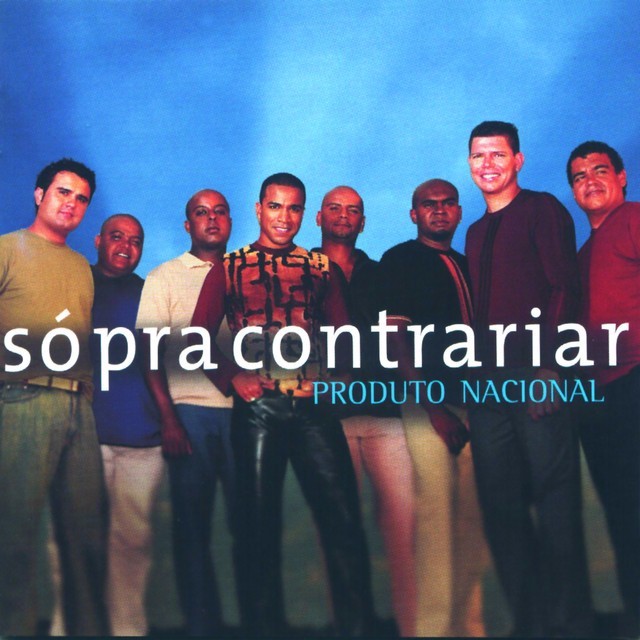
 View Artist