Song Meaning
The lyrics open with an astonishing, almost theatrical act: the narrator has plastered someone's photo, phone, and address on a billboard and in all newspapers. This isn't a subtle hint; it's a public, desperate plea for contact. The immediate emotional texture is one of profound, almost unhinged longing.
The core tension here lies in the narrator's extreme actions contrasted with their internal vulnerability. They've gone to extraordinary lengths, making a private yearning a public spectacle, yet they still express disbelief ("I don't believe you won't look for me") and a deep sense of undeserved suffering ("I've suffered too much beyond what I deserve"). This creates a poignant conflict between their outward bravado and inner pain.
The most striking craft element is the audacious imagery of the "outdoor" (billboard) and "todos os jornais" (all newspapers). This hyperbolic public display of private information — "Seu retrato, telefone e endereço" — serves as a dramatic amplifier for the narrator's emotional state. It's a bold, almost absurd gesture that underscores the depth of their desperation, making the simple, repeated plea "Ah, telefona por favor" (Ah, please call) hit with even more force.
These lyrics are effective because they paint a vivid picture of someone pushed to their emotional brink. The contrast between the grand, public gesture and the raw, intimate confession of "Tô morrendo de saudade" (I'm dying of saudade) creates a powerful emotional resonance. The narrator's willingness to expose their longing so dramatically, coupled with the tender memory of "aquele encontro" (that meeting), captures the all-consuming nature of a love-struck heart.
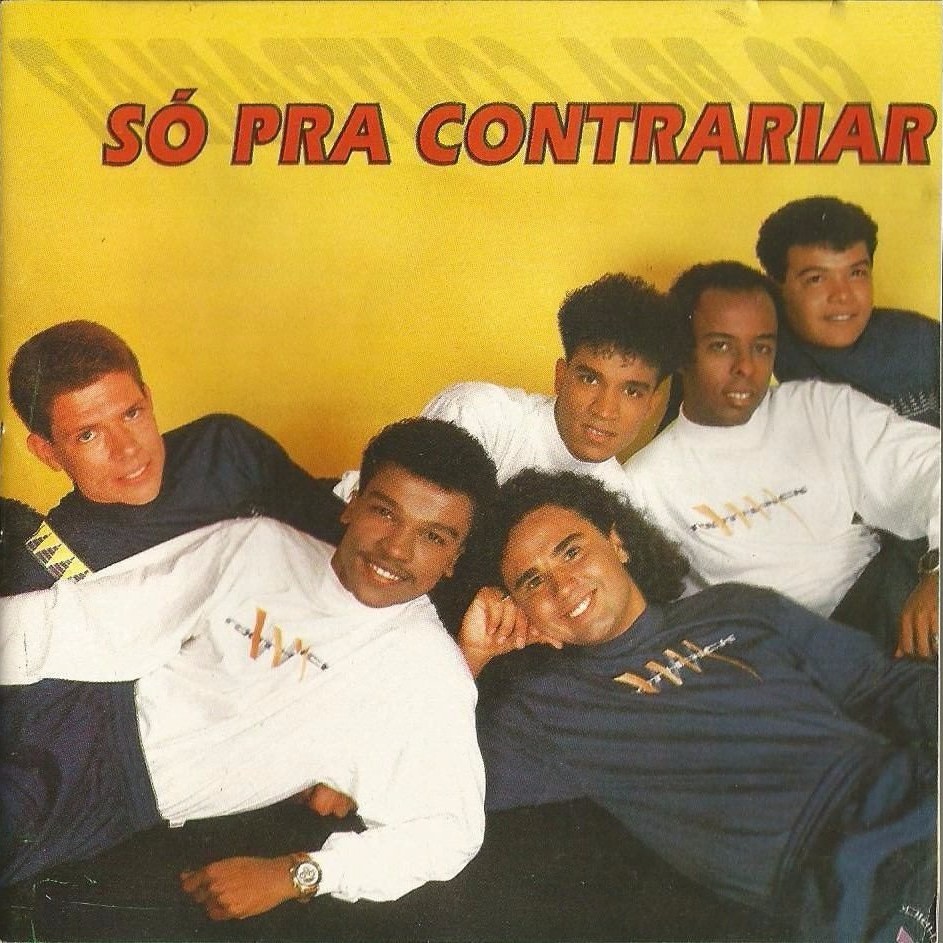
 View Artist