Song Meaning
These lyrics plunge into the raw pain of regret, as a speaker grapples with the aftermath of a relationship they seemingly took for granted. The opening lines, "Dói demais / Saber que eu errei e / Não poder voltar atrás," immediately establish an intense emotional landscape of remorse and irreversible mistakes. The speaker is trapped by their past actions, unable to rewind time.
The central tension here is the speaker's belated realization of love and the heavy cost of their former indifference. They candidly admit, "mereço a solidão / Por te fazer sofrer," accepting the painful consequence of their actions. Yet, this self-blame is intertwined with a desperate, almost possessive longing, as they assert that "ninguém pode / E nem vai te fazer feliz," suggesting a belief that only they hold the key to the other person's true happiness, despite their own past failures.
A particularly poignant craft element is the contrast between past ignorance and present clarity. The speaker recalls seeing "Quantas lágrimas eu vi / Rolar do teu olhar" without fully grasping the depth of their partner's pain or their own feelings. This culminates in the stark admission, "Eu te amava e não sabia," a powerful moment of retrospective understanding that underscores the tragedy of their missed opportunity. The image of "Olhando nos teus olhos / Não me vejo mais" further emphasizes a loss of self, perhaps a reflection of their diminished self-worth or an identity that was deeply intertwined with the now-broken relationship.
The lyrics are effective because they lay bare the speaker's journey from a casual disregard to an agonizing, all-consuming regret. The progression from self-recrimination to a desperate plea for a second chance feels incredibly authentic. The final, solemn vow, "Eu juro nunca mais te machucar," serves as a powerful, albeit belated, declaration of commitment, making the plea for reconciliation resonate with a raw, emotional weight.
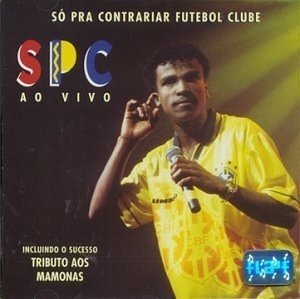
 View Artist