Song Meaning
Slim Whitman's "Cowpoke" isn't just a simple Western tune; it's a study in paradoxical freedom. The lyrics paint a portrait of a man simultaneously "lonesome but happy, rich but broke," a drifter defined by contradiction. This isn't a lament, though. The cowpoke embraces his transient existence, finding contentment in the open range and the absence of obligation. He is free because he owns nothing and belongs nowhere. The "woo hoo doo woo" refrain acts as a sonic exhale, a letting go that underscores the overarching theme of unburdened movement. It’s a yodel of existential acceptance.
The song's core lies in the tension between the desire for connection and the fear of confinement. The fleeting image of a "filly" suggests a longing for companionship, but the cowpoke quickly dismisses the idea of settling down, declaring he'll "never be branded and never be broke." "Branded" here goes beyond cattle; it means claimed, owned, domesticated. His freedom hinges on resisting any force that might tie him down, be it financial security or romantic commitment. The lyrics suggest that true wealth, for the cowpoke, isn't measured in dollars but in the boundless expanse of the open range.
Ultimately, "Cowpoke" functions as an anthem for those who prioritize autonomy above all else. It's a romanticized vision of the cowboy life, yes, but it taps into a deeper yearning for self-determination. The cowpoke's willingness to trade stability for the open road speaks to a primal desire to escape societal constraints and define one's own destiny, even if that destiny is a solitary one. Whitman's gentle delivery softens the edges of this potentially harsh reality, making the cowpoke's choice seem not just viable, but almost enviable. It's a compelling argument for the beauty of impermanence.
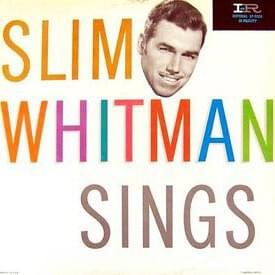
 View Artist