Song Meaning
Slim Whitman's "Just Call Me Lonesome" isn't just a country lament; it's a masterclass in self-imposed isolation. The song's power lies not in complex metaphors, but in its stark simplicity. The lyrics paint a picture of a man utterly consumed by heartbreak, resigned to a life of solitude. The opening lines, "Why must I love the heartless one / Who'll never know the harm she's done," immediately establish a sense of victimhood, a passive acceptance of pain inflicted by another. But the repeated refrain, "Just call me lonesome from now on," suggests a more active role in his despair. He's not simply *feeling* lonely; he's *choosing* it as an identity. This is the crux of the song's meaning: the conscious adoption of loneliness as a shield against future hurt.
The imagery throughout the song reinforces this theme of self-confinement. He retreats to his room, seeking solace in silence, actively avoiding any possibility of connection. The line "These walls will hide me when I cry" speaks volumes; the walls aren't just physical barriers, but psychological ones, protecting him from further vulnerability. There's a hint of melodrama, perhaps, in the plea, "hope that heaven lets me die," but even this theatricality underscores the depth of his despair and his willingness to embrace oblivion rather than risk being hurt again.
Ultimately, "Just Call Me Lonesome" is a study in the psychology of heartbreak. It explores the seductive allure of loneliness, the way it can become a perverse comfort to those who have been deeply wounded. While the song ostensibly mourns the loss of a lover, it also reveals a deeper, more troubling truth: the human capacity to choose isolation as a defense mechanism, even when it means sacrificing the possibility of future happiness. The song's meaning resonates because it taps into a universal fear: the fear of vulnerability, the fear of being hurt, and the lengths we will go to avoid it, even if it means becoming "lonesome."
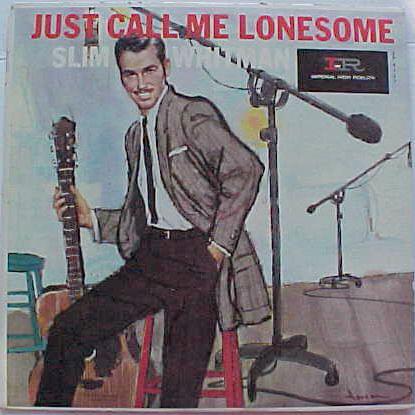
 View Artist