Song Meaning
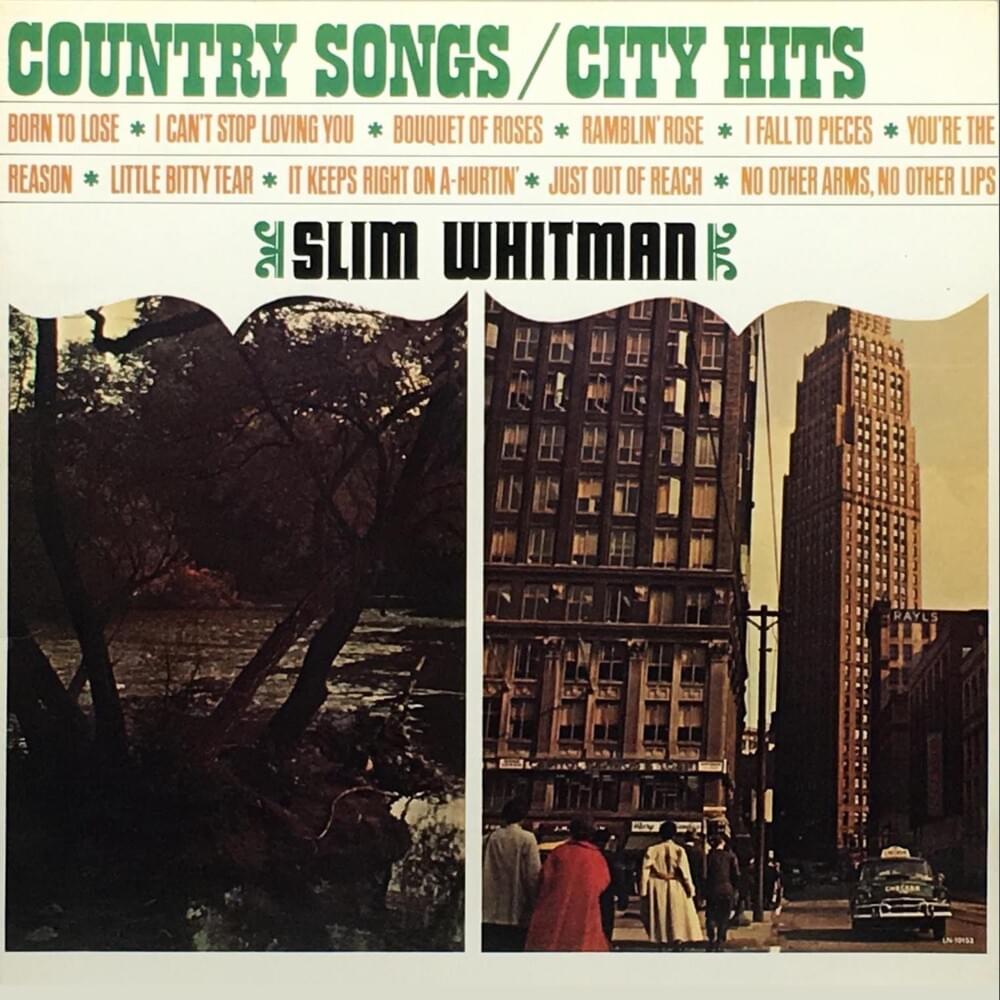
Slim Whitman's "Bouquet of Roses" isn't just a country crooner's lament; it's a masterclass in passive aggression disguised as sentimental farewell. The titular bouquet, ostensibly a grand romantic gesture, quickly reveals its thorny underbelly. Each rose represents a heartbreak inflicted by the departing lover, transforming a symbol of affection into a tally of pain. This calculated delivery, dripping with wounded pride, speaks volumes about the narrator's inability to fully detach. It's the sonic equivalent of a backhanded compliment, delivered with a melancholic twang.
The lyrics cleverly navigate the complex terrain of heartbreak. The narrator acknowledges the repeated offenses ("One for every time you broke my heart"), the futility of begging for change, and the exhaustion of endless forgiveness. Yet, amidst this declaration of independence, a potent undercurrent of longing persists. The line "I know that I should hate you / After all you've put me through / But how can I be bitter / When I'm still in love with you" exposes the raw vulnerability beneath the surface. It's a confession that undermines the entire bouquet-as-indictment strategy, suggesting that the narrator's anger is merely a defense mechanism against the pain of unrequited or, at least, unreliable love.
Ultimately, the song's genius lies in its unsettling ambiguity. Is the "Bouquet of Roses" a final act of defiance, a desperate plea for attention, or a self-aware acknowledgment of the narrator's own romantic masochism? The answer, like any complex emotional landscape, is likely a blend of all three. Whitman's delivery, with its signature vibrato and heartfelt sincerity, only deepens the enigma. It's a breakup song that transcends simple bitterness, lingering in the space between love and resentment, where the thorns and petals become indistinguishable.
 View Artist