Song Meaning
The lyrics paint a stark picture of impending doom, framed by the repeated, almost mantra-like phrase "Threshold of light." This opening and closing refrain creates a sense of being on the precipice, a moment of intense anticipation before an unknown event. The immediate imagery shifts to a destructive force, with "arrows down like balancing wire" and a "bow stretched and tension pull," suggesting a deliberate, almost artistic, yet terrifying, act of aggression. This external threat is juxtaposed with the internal devastation of "Harmony of homes lost in terror," highlighting a profound sense of loss and fear.
The central tension arises from the narrator's attempt to comprehend this overwhelming situation, asking "Can you see, can you see." The answer offered is a cosmic, unsettling metaphor: "Universe is the body of a beast." This grand, almost Lovecraftian image suggests that existence itself is a monstrous, vast entity, and that its actions, whatever they may be, are being "played out for you and me." The repetition of "for you and me" transforms from a shared experience to a chilling inevitability, as if we are mere pawns in a cosmic game.
The most striking craft element is the persistent repetition of "Threshold of light" and "for you and me." The former acts as a constant reminder of the precarious position, a liminal space between what is and what is coming. The latter, initially seeming inclusive, becomes increasingly isolating and fatalistic as it's repeated, emphasizing our helplessness within the "beast" of the universe. The lyrics don't offer comfort, but rather a stark, almost nihilistic perspective on existence and impending change.
This lyrical construction is effective because it bypasses direct emotional appeals and instead creates a profound sense of unease through abstract, yet potent, imagery and relentless repetition. The listener is left to grapple with the unsettling idea that the universe itself is a terrifying entity, and that our fate is simply to witness its unfolding, standing on a "threshold of light" that offers no solace, only the stark clarity of an unavoidable end.
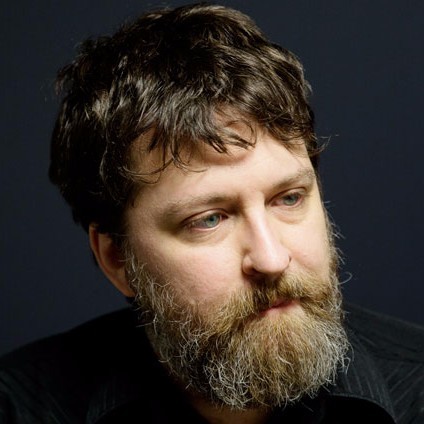
 View Artist