Song Meaning
The lyrics present a desperate plea, a repeated "Please, please, please," that immediately establishes a tone of intense supplication. The narrator is begging someone to alter their behavior, specifically to "don't do what you've done" and "don't say what you've say." This suggests a pattern of hurtful actions and words that have caused significant pain, creating a sense of weariness and a desire for change. The repetition amplifies the urgency, making the plea feel almost frantic.
The central tension lies in the contrast between the familiar, damaging past and a potential, albeit uncertain, future. The narrator implores the other person not to repeat their usual destructive patterns. However, a new, slightly confusing layer is added with "don't ever do what you've never done" and "don't ever say what you could never say." This could imply a fear that the other person might resort to entirely new, unpredictable forms of harm, or perhaps a desperate hope that they might finally act in a way that breaks their negative cycle, even if that action is also something they've never done before.
The most striking aspect of the craft here is the subtle shift in the second half, introducing conditional possibilities for a better outcome. The lines "Maybe we could learn how to live / Or lonely let love instead" offer two starkly different paths. "Learn how to live" suggests growth and mutual understanding, a positive resolution. The alternative, "lonely let love instead," is more ambiguous and melancholic, possibly meaning to let love fade away into loneliness, or perhaps to embrace love even if it leads to loneliness. This ambiguity highlights the precariousness of the situation and the narrator's own conflicted feelings about what the future might hold.
Ultimately, the effectiveness of these lyrics stems from their raw emotional directness and the unsettling ambiguity of the second half. The simple, repeated plea is universally understood, but the introduction of paradoxical commands and the dualistic future creates a complex emotional landscape. It captures the feeling of being trapped in a cycle of hurt, desperately wishing for a different outcome while grappling with the fear that any change might be for the worse, or that the only path forward is one tinged with inevitable solitude.
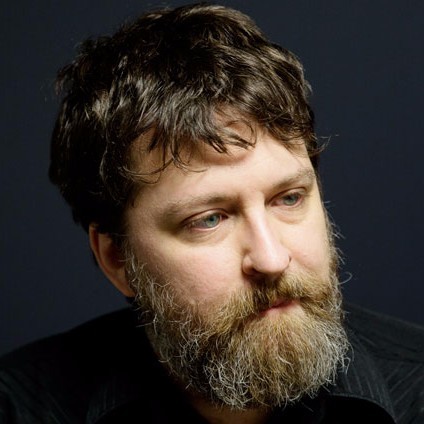
 View Artist