Song Meaning
The lyrics paint a stark portrait of a life lived intensely, now viewed through a lens of regret and disillusionment. The opening lines immediately establish a sense of fleeting moments, referencing "Um momento, um instante" and "Uma noite perdida," suggesting a life characterized by transient experiences rather than lasting fulfillment. This initial reflection sets a melancholic tone, hinting at a past filled with passionate but perhaps ultimately empty pursuits, like "Meus homens, meus amantes" within the confines of "Um palco, um cabaré."
The core tension arises from the painful realization of life's ephemeral nature and the wounds it inflicts. The narrator laments, "Como a vida magoa, Como faz tanta ferida," and concludes that "A vida é mentira," a profound statement of betrayal by existence itself. This bitterness is amplified by the stark contrast between the vibrant, chaotic energy of the past – "Minha força, minha raiva, Meu teatro e loucura" – and the present state of "solidão" (loneliness) and "cansaço" (exhaustion). The repeated invocation of "Vida" acts as both an address and an accusation, a constant reminder of what has been gained and, more significantly, lost.
The most striking craft element is the recurring motif of the "palco" (stage). Life is framed as a performance, encompassing "teatro," "cabaré," "aplausos," and "fracassos." This theatrical metaphor underscores the performative aspect of the narrator's existence, where even love and tenderness ("Meu amor e ternura") are part of a grand, perhaps artificial, spectacle. The final stanza reveals the ultimate goal of this performance: "Para ser um só instante, um só momento / Feliz," a poignant desire for a singular moment of happiness that seems to have eluded the narrator despite a life lived fully, "Toda a vida me deito, Toda a vida amei, Tudo na vida eu fiz."
This lyrical construction is effective because it grounds abstract feelings of regret and loneliness in concrete, evocative imagery. The juxtaposition of grand passions and profound emptiness, the theatrical metaphor, and the direct address to "Vida" create a powerful emotional resonance. The narrator’s final, unfulfilled wish for a single happy moment, after a life seemingly filled with everything else, leaves the listener with a profound sense of pathos and a contemplation of what truly constitutes a life well-lived.
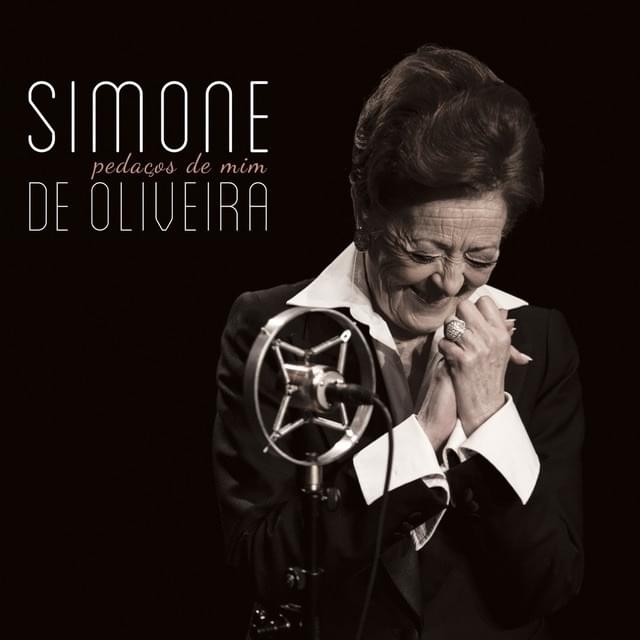
 View Artist