Song Meaning
The lyrics paint a rich portrait of a complex existence, contained within "your poem." It opens with a sense of boundless possibility, a "body that breathes in open sky" and a "window leaning out to life." This initial imagery suggests a spirit open to the world, yet the second stanza of the first verse immediately introduces a duality: "the silent pain deep down" and "the step of courage in a dark house." This contrast establishes the core tension: life is not just about outward openness, but also about navigating internal struggles and hidden resilience.
The central conflict emerges from the juxtaposition of light and shadow, joy and hardship. The chorus presents a striking dichotomy: "the night" alongside "the laughter and the perfect voice in daylight," and the "feast of Our Lady of Agony" paired with the "tiredness of the body that falls asleep in a cold bed." This suggests that within this "poem," profound suffering and ecstatic moments coexist, the weight of existence is felt alongside its celebrations. The recurring image of "a river" further emphasizes this flow of life, encompassing "the fate of those born weak or strong," and the "risk, the anger, the struggle of those who fall or resist." It captures the relentless, often unpredictable current of human experience.
The second verse deepens this complexity, introducing harsher realities. The "scream and the echo of the machine gun" and "the sleepless nights of those who fail" speak to trauma and defeat. Yet, even here, the lyrics weave in elements of cultural heritage and forward momentum: "a Gregorian chant from Alentejo," "the street and the cry of a hawker," and "a boat blown at full sail." This blend of the somber and the vibrant, the traditional and the adventurous, highlights the multifaceted nature of the "poem." The final chorus reframes the river's journey, leading to "the new ship of the Discoveries," suggesting a collective embarkation and a shared destiny, even amidst the inherent risks.
Ultimately, the effectiveness of these lyrics lies in their ability to hold opposing forces in delicate balance. The "poem" contains "everything else that still escapes me," acknowledging the unknown, but crucially, it also holds "hope lit behind the wall" and "a blank verse waiting." This final image of a waiting, unwritten future, framed by the totality of lived experience, is what makes the narrative resonate. It suggests that within every complex life, marked by both pain and joy, struggle and resilience, there remains an enduring space for what is yet to come.
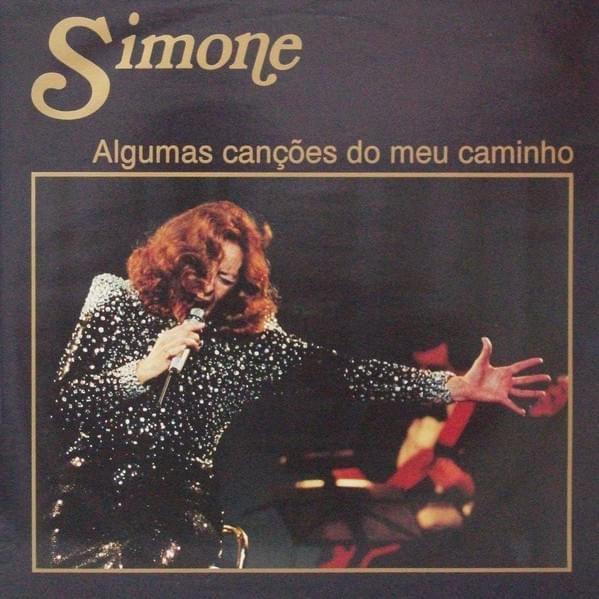
 View Artist