Song Meaning
This raw alternate take immediately establishes a profound, simple grief. The narrator is haunted by the age difference and the stark finality of his brother's death at twenty-three. The repetition of "He was my brother" isn't just a statement of fact; it's a desperate anchor in a sea of loss, emphasizing the deep personal connection shattered by violence.
The lyrics paint a chilling picture of the brother's activism as a "freedom rider," facing direct hostility. The taunts "Go home, outsider" and the chilling prophecy "This town's gonna be your buryin' place" highlight the dangerous, unwelcoming environment he confronted. This wasn't a passive death; it was a direct consequence of his courageous stand against injustice.
The most striking image is the brother "singin' on his knees" as an "angry mob trailed along," culminating in his murder. The contrast between his peaceful, defiant act of singing and the violent pursuit is stark. The lyrics explicitly state the motive: "Because he hated what was wrong," framing his death as a direct result of his moral opposition.
The final verse brings the personal grief into sharp focus with "Tears can't bring him back to me." Yet, it pivots to the broader, almost redemptive purpose of his sacrifice: "And he died so his brothers could be free." This elevates his death from a personal tragedy to a fight for collective liberation, giving his loss a powerful, enduring meaning.
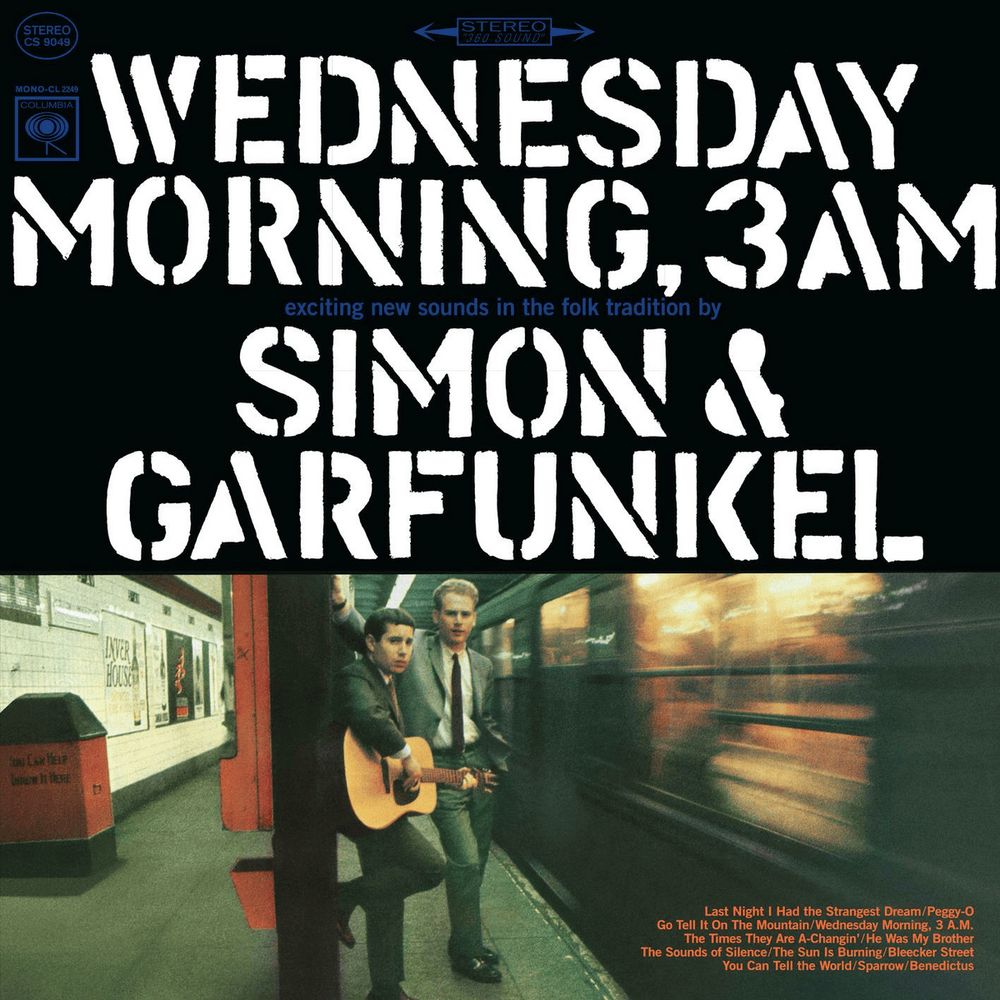
 View Artist