Song Meaning
The demo of "Bleecker Street" paints a hazy, almost spectral portrait of a New York City street, using fog as a pervasive metaphor for concealment and detachment. This atmospheric opening immediately establishes a tone of melancholic observation, where the urban landscape itself seems to obscure both hardship and connection. The street becomes a stage for fleeting, almost ghostly interactions.
The lyrics highlight a stark contrast between outward appearances and inner realities, particularly on this "Bleecker Street." We see "smiling faces" in a "sad café," suggesting a superficial attempt at cheerfulness masking underlying sorrow or alienation. The image of "a shadow touch a shadow's hand" is particularly striking, implying a connection that is barely there, ephemeral, and perhaps even furtive, lost in the pervasive gloom.
There's a fascinating juxtaposition of the mundane and the sacred, or at least the intensely personal. A "poet reads his crooked rhyme," and this act is described as a "sacrament," elevating artistic expression to a spiritual level. Yet, this profound moment is immediately undercut by the practical, almost desperate reality: "Thirty dollars pays your rent." This sharp contrast underscores the struggle for survival and meaning in a world where art and basic needs collide.
The song concludes with a sense of spiritual searching, or perhaps resignation, framed by the "church bell softly chime" and the "long road to Canaan." The melody, described as "sustaining," suggests a persistent, if quiet, hope or a continuous struggle towards a promised land. The repetition of "Bleecker Street" at the end grounds these broader themes back to the specific, tangible location, implying that this search for meaning and connection, however fraught, is happening right here, amidst the fog and the shadows.
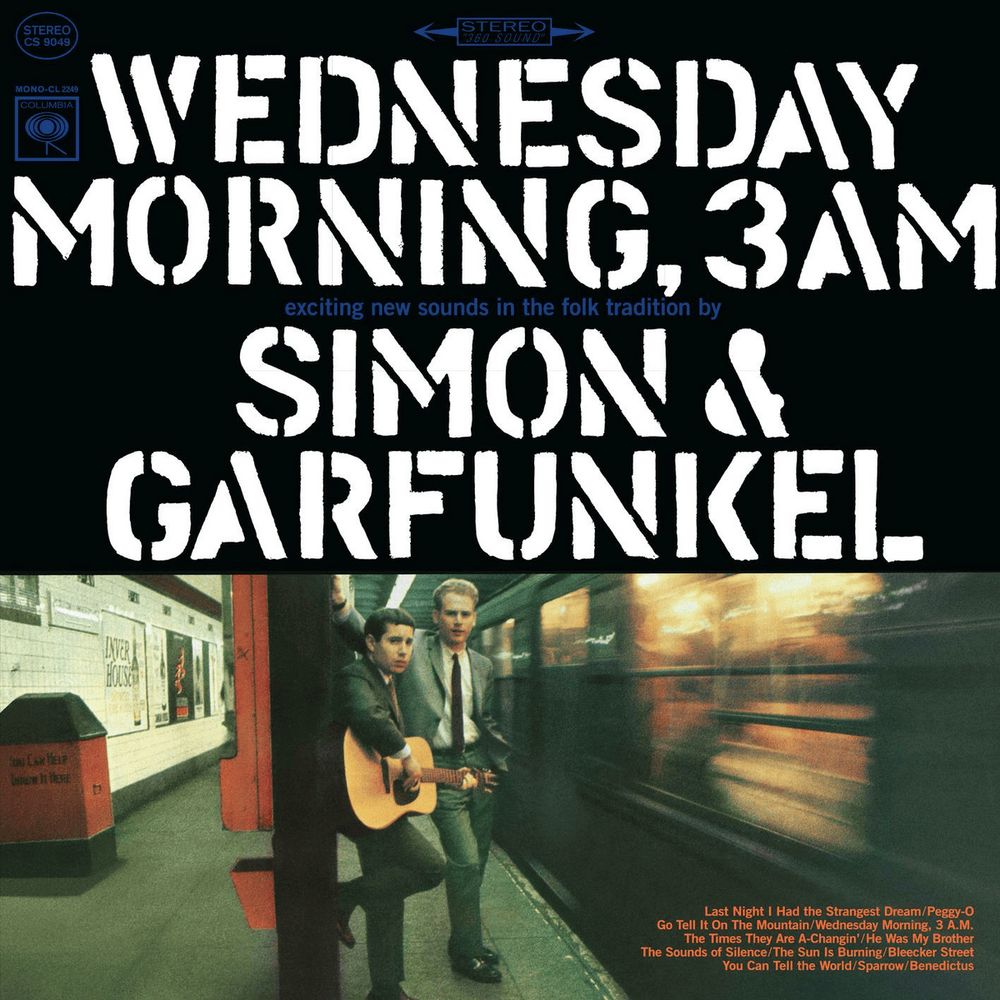
 View Artist