Song Meaning
The lyrics paint a picture of profound disillusionment, a desperate desire to escape a perceived reality that feels suffocatingly mundane. The narrator repeatedly imagines inhabiting the realm of angels, not out of reverence, but to subvert it, to "slide across the floor" and "sneak in like a splinter." This isn't about ascension; it's about a desperate, almost violent, intrusion into a higher plane, driven by a deep dissatisfaction with their own existence. The repeated wish to "see what angels see" is immediately countered by a desire to "crack my eyes," suggesting an aversion to divine clarity in favor of a self-imposed blindness or a distorted perception.
The central tension lies in the narrator's rejection of idealized existence and their embrace of a more chaotic, self-destructive path. They express a desire to "cut out before the wine" and get "a couple down before I get mine," hinting at a pattern of preemptive indulgence or escape before facing consequences. The image of "never saw life collapsing like that" suggests a past trauma or a witnessing of profound failure, fueling this urge to break, tear, and shatter any semblance of angelic perfection. This isn't about seeking solace but about actively dismantling any idealized vision.
A striking craft element is the consistent inversion of angelic imagery. Instead of peace and light, the narrator envisions a destructive entry, a tearing apart of celestial garments, and a preference for a "cataract glaze" over clear sight. The phrase "Breaking in the summer sun" and later "Breaking in the winner's cup" suggests a forceful, unwelcome entry into moments of perceived triumph or natural beauty. The repeated refrain, "Don't say a word about me," underscores a desire for anonymity in their self-destruction, a wish to disappear rather than be judged or understood.
Ultimately, these lyrics resonate because they articulate a raw, visceral rejection of idealized states and a defiant embrace of personal chaos. The narrator's imagined interactions with the divine are not about finding grace but about asserting agency through destruction and escape. The writing captures a specific kind of existential fatigue, where even perfection is seen as a threat, and the only perceived freedom lies in self-inflicted damage and a desire to remain unseen in the process.
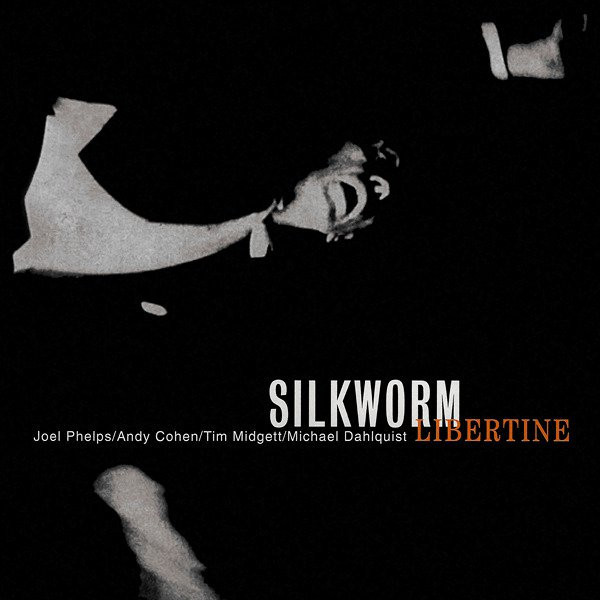
 View Artist