Song Meaning
The lyrics paint a stark picture of a deeply fractured familial relationship, steeped in financial desperation and a cruel, almost predatory, assessment of worth. The opening lines immediately establish a transactional dynamic, with a credit report serving as the basis for judgment, questioning the loyalty of a "faithless son" or "dear daughter." This sets a tone of bitter accusation and a sense of being cornered, where even basic familial bonds are framed as a competition to be won or lost. The narrator seems to be confronting someone, or perhaps reflecting on a past confrontation, where the stakes are incredibly high, leading to threats of abandonment.
The central tension lies in the narrator's projection of immense power and contempt onto others, juxtaposed with a profound sense of personal emptiness and unearned success. The imagery shifts dramatically from the familial accusation to a visceral, almost cartoonish, depiction of dominance: "a crawling worm," "crush him with a glance and a smirk." The narrator proclaims themselves "the giant," "smug," and "free to stomp and burn." Yet, this grandiosity is immediately undercut by the admission that it's a "hollow victory," "nothing I've properly earned." This internal contradiction reveals a deep insecurity beneath the bluster, a desperate need to assert control while acknowledging its lack of genuine foundation.
The most striking aspect of the writing is the jarring shift in perspective and the use of dehumanizing language to establish dominance, only to reveal its hollowness. The initial focus on a "credit report" and "father" gives way to a primal, almost biological, assertion of power over "worms." This is followed by a sudden, and deeply unsettling, turn towards a specific, and potentially exclusionary, form of social acceptance: "Now the only chance to be accepted / Is with the other Jews." This final, sharp pivot introduces a layer of identity politics and group affiliation as the ultimate arbiter of belonging, a stark contrast to the earlier, more generalized, accusations and boasts. It suggests that even in a world of perceived power and competition, the need for a specific community or validation remains, albeit framed in a way that feels both desperate and resentful.
What makes these lyrics resonate is their unflinching portrayal of a toxic dynamic where love and acceptance are conditional and transactional, and where perceived strength masks profound vulnerability. The narrator's self-aggrandizement crumbles under the weight of its own emptiness, leaving a raw, almost pathetic, plea for acceptance couched in the language of exclusion. The craft here is in the rapid tonal shifts and the use of stark, often brutal, imagery to convey a complex emotional landscape of anger, insecurity, and a desperate longing for belonging, however narrowly defined.
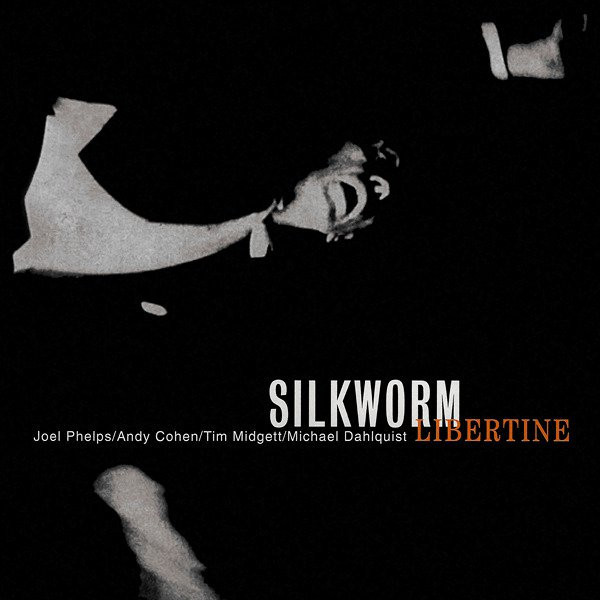
 View Artist