Song Meaning
The lyrics paint a picture of weary resignation as a long day bleeds into evening, marked by the impending rain and the slow crawl toward a perceived dead end. There's a sense of being stuck, both literally in a mundane environment and emotionally, as the narrator grapples with a relationship where their heart feels like a commodity, readily offered but easily taken. This feeling of being undervalued or used is palpable, creating an undercurrent of quiet desperation beneath the surface of the mundane. The narrator seems to be observing a friend's self-destructive spiral, noting the friend's "bad habits" becoming more pronounced with each "round."
The central tension lies in the narrator's conflicted feelings about this friend. On one hand, there's a desire to escape the friend's destructive path, even wishing for a random car to whisk them away, or for some external force to "pull on your empty head." This suggests a deep frustration and a wish for the friend to be fundamentally changed or removed from their life. Yet, there's also a lingering sense of responsibility or perhaps pity, as the narrator acknowledges the friend's struggle and the painful reality that "your skin doesn't get in the way" of their self-destruction. The narrator appears to be caught between wanting to sever ties and a reluctant empathy for the friend's plight.
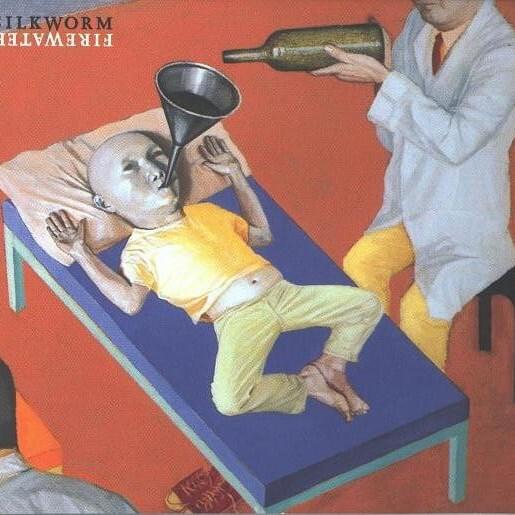
The imagery of water and decay is particularly striking, acting as a pervasive metaphor for emotional overflow and stagnation. The "watery eyes" and the "drains overflow" suggest an overwhelming sadness or a loss of control, while the "gutter's slow and choked" reflects a sense of being trapped in a stagnant, unpleasant situation. The final lines, "It came and stole my friend and left a caricature of a joke," powerfully convey the devastating impact of whatever destructive force has taken hold, reducing the friend to a hollow imitation of their former self. This final image underscores the tragic loss and the narrator's profound sense of grief and disillusionment.
Ultimately, the effectiveness of these lyrics stems from their grounded, almost mundane descriptions that carry immense emotional weight. The contrast between the everyday setting – streetlights, rain, cars splashing – and the profound internal turmoil creates a relatable sense of quiet despair. The narrator's observations are sharp and unsentimental, capturing the painful process of watching someone you care about succumb to their own worst tendencies, leaving behind only a shadow of who they once were. The writing doesn't shy away from the bleakness, making the final image of the "caricature of a joke" all the more impactful.
 View Artist