Song Meaning
Silje Nergaard's "Blame It On The Sun" is a masterclass in emotional deflection, a delicate exploration of heartbreak shrouded in denial. The song's core revolves around the aftermath of a lost love, but rather than confronting the pain directly, the narrator seeks refuge in external scapegoats. The opening lines, "Where has my love gone? How can I go on?" immediately establish a sense of disorientation and profound loss. The repetition of "my love has gone astray" underscores the bewilderment and the struggle to comprehend the situation. This initial vulnerability, however, quickly morphs into a complex web of rationalizations.
The repeated phrase "I'll blame it on the sun" acts as a mantra of avoidance. The sun, the wind, the trees, the tide – all become convenient targets for misplaced responsibility. Nergaard isn't just listing natural elements; she's constructing a fortress of external factors to shield herself from the more painful truth. The lyrics analysis reveals a subtle but powerful shift in the song's emotional landscape. It’s not that these external forces *caused* the heartbreak, but rather they *failed* to prevent it. The sun "didn't shine," the wind and trees somehow contributed, the time "never was enough." These are not active agents of destruction, but passive failures, reflecting the narrator's own perceived inadequacies.
Ultimately, the song meaning of "Blame It On The Sun" lies in the tension between denial and self-awareness. The repeated blaming culminates in the stark admission: "But my heart blames it on me." This single line shatters the carefully constructed façade, revealing the underlying self-reproach that fuels the entire song. The external blame is a defense mechanism, a way to postpone the inevitable reckoning with one's own role in the relationship's demise. The beauty of Nergaard's song is that it doesn’t offer easy answers or resolutions. It simply lays bare the messy, contradictory process of grieving and the human tendency to avoid facing difficult truths about ourselves.
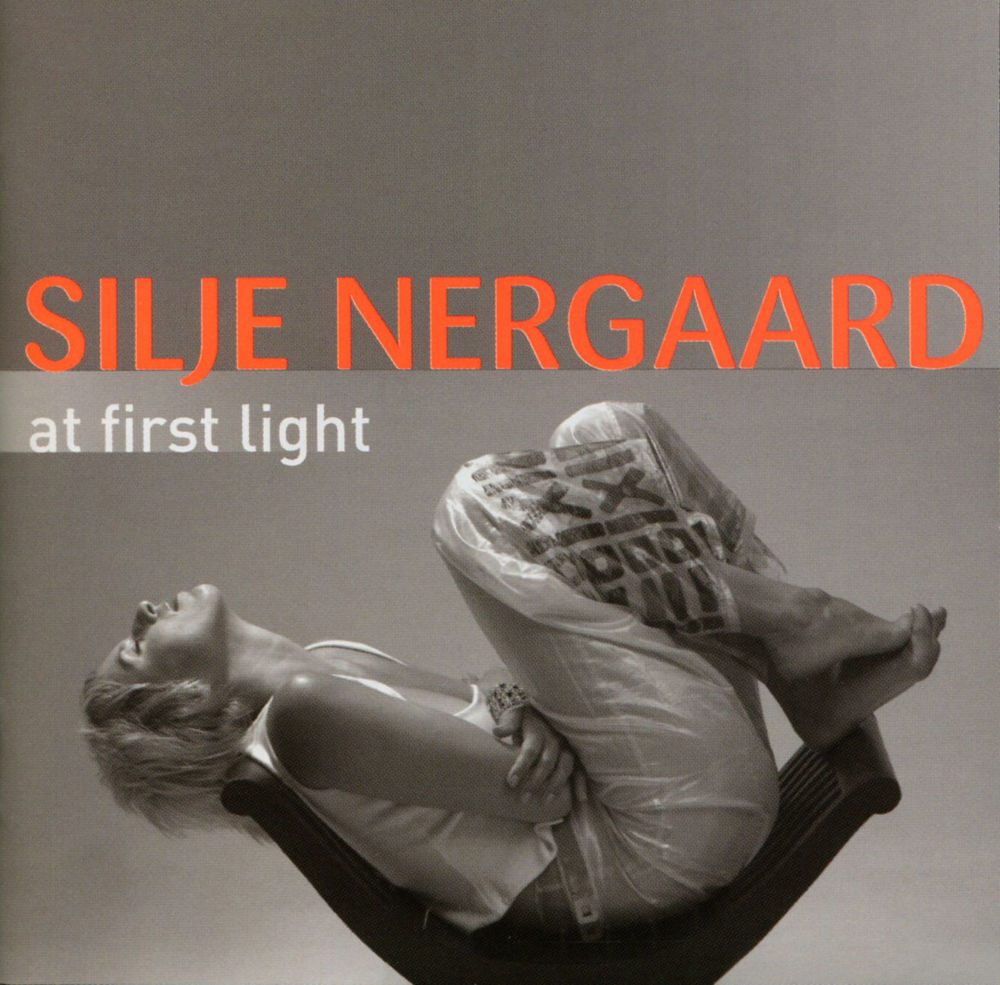
 View Artist