Song Meaning
Silje Nergaard's "What Might Have Been" isn't just a wistful ballad; it's a masterclass in emotional tightrope walking. The song’s core dwells in that universally human space: the tantalizing ghost of unrealized potential. The open door, the whispers from afar – these aren't just atmospheric details; they represent the constant, subtle reminders of a path not taken, a love not fully explored. Nergaard doesn't wallow, however. The true conflict lies in the active suppression of these "what ifs." There's a conscious effort to "will the spark to die," a recognition that indulging in these fantasies is a dangerous game. The pull is strong, the temptation to believe "that this alone is real," hinting at the intoxicating allure of idealized memories versus the often-messy reality of lived experience.
The song's brilliance lies in its portrayal of this internal battle. The repeated lines, "dwelling on what might have been / Or giving sadness space to fill," serve as a mantra, a defense against the encroaching despair. Nergaard understands that allowing these feelings to take root is a form of self-destruction, a "madness" that threatens to consume. The image of balancing on the edge is particularly potent. It speaks to the precariousness of emotional control, the constant vigilance required to keep the seductive pull of the past at bay. It's not about forgetting or denying, but about consciously choosing not to succumb.
The second verse shifts slightly, introducing the idea of self-reflection as a tool for healing. "I'll retrace every step / I've ever run or crept / Hoping I will see what is bleeding me" suggests a desire to understand the source of this lingering pain, not to reopen the wound, but to identify the cause and, perhaps, find a way to cauterize it. The repetition of the chorus reinforces the ongoing nature of this struggle. It's not a one-time fix, but a continuous process of self-regulation. Ultimately, "What Might Have Been" is a song about resilience, about the strength it takes to acknowledge the allure of the past while choosing to remain firmly planted in the present.
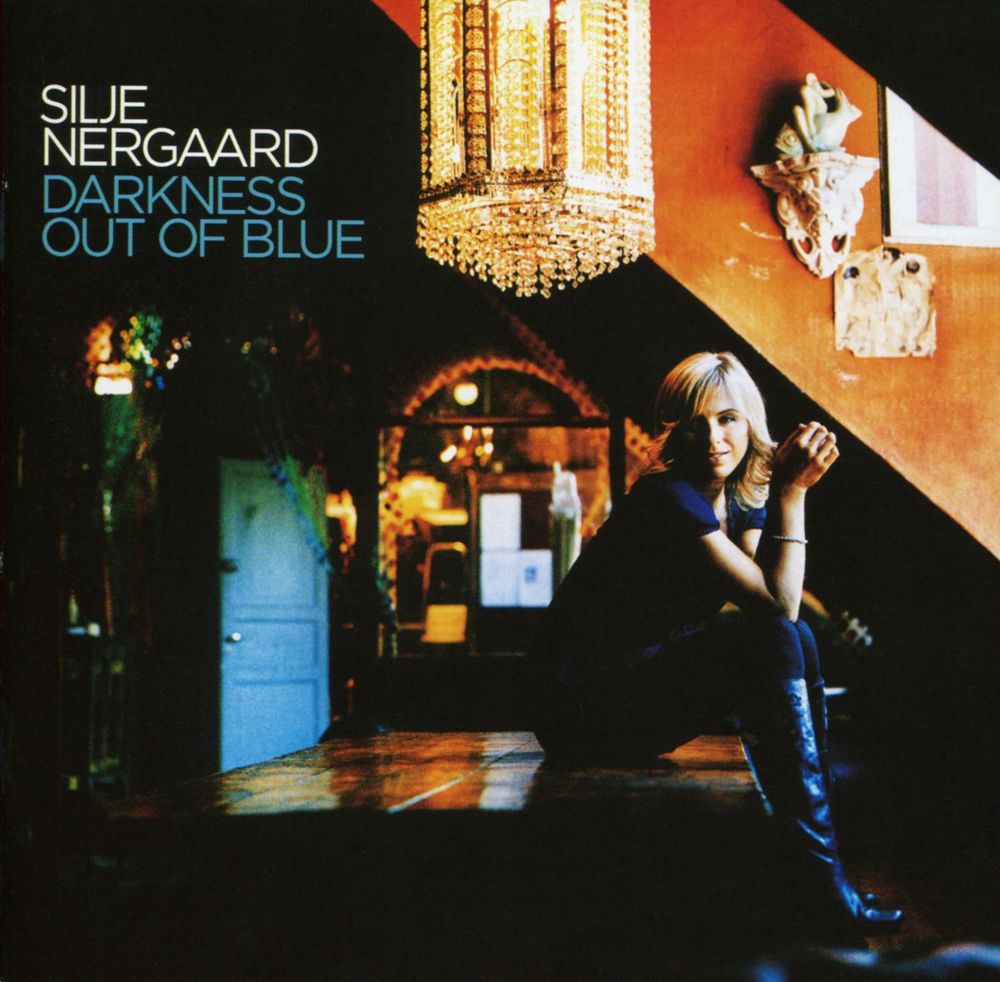
 View Artist