Song Meaning
This song paints a vivid picture of a deeply personal sanctuary, a place born from imagination where reality bends and possibilities stretch infinitely. It’s a retreat where the narrator first experienced wonder, a foundational space described as the origin of light and the germination of dreams. The recurring phrase, "Volveré a ese lugar donde nací," anchors this imagined space to a primal sense of origin and belonging, suggesting a profound need to return to this core self or foundational experience.
The central tension lies in the duality of this sacred space. It's simultaneously a place of gentle creation and overwhelming power, a "sitio de mi recreo" that encompasses both "sol, espiga y deseo" and "nieve, huracán y abismos." This contrast highlights how the narrator’s inner world can hold immense beauty and peace alongside intense, even destructive, forces. The lyrics suggest that embracing both aspects is crucial to understanding this personal haven.
The most striking craft element is the juxtaposition of elemental forces and sensory details to define this space. It's not just a physical location but a composite of abstract feelings and concrete imagery. Phrases like "Mar bandeja de plata, mar infernal" and the recurring list of opposing elements – "sol, espiga y deseo" versus "nieve, huracán y abismos" – create a rich, complex emotional landscape. The wind, described as speaking and dancing, further animates this internal world, making it feel alive and responsive.
Ultimately, the lyrics resonate because they articulate the universal human need for a place of refuge and self-definition. The "sitio de mi recreo" is more than just a memory; it's a dynamic internal landscape that provides "aliento a mi locura" and "cordura." By embracing the full spectrum of experiences, from the gentle "brisa" to the "huracán," the narrator finds a way to integrate their inner world, making this imagined place the source of both solace and strength.
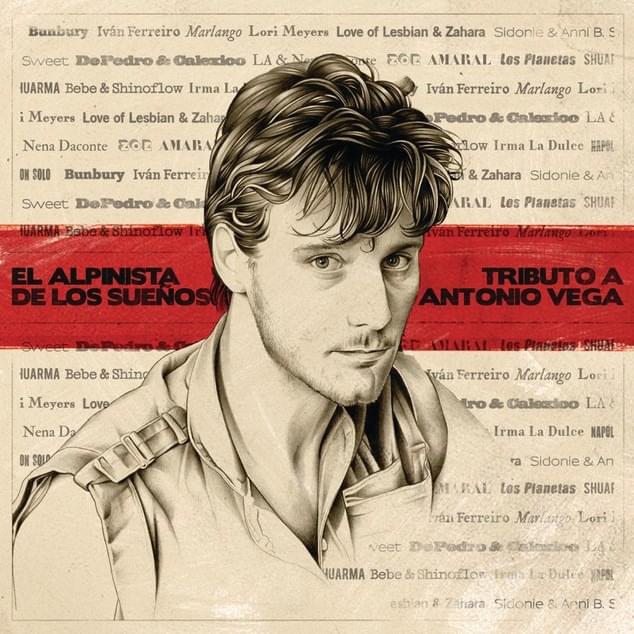
 View Artist