Song Meaning
The lyrics paint a vivid picture of someone desperately seeking validation and justification from a partner, even if it means embracing destructive or painful scenarios. The repeated plea, "Dame" (Give me), underscores a profound need for external affirmation to navigate internal turmoil. The narrator seems to crave any form of engagement, good or bad, to feel alive or to rationalize their own feelings and actions. They ask for "respiro" (breath) and "aliento" (breath/encouragement) but also for "tormentas" (storms) and a "regalo envenenado" (poisoned gift), highlighting a complex desire for both solace and suffering.
The central tension lies in the narrator's paradoxical request for reasons to forget past hurts while simultaneously asking for actions that will likely create new ones. They want their partner to "mueve mi falda" (move my skirt) and "mueve mi mundo" (move my world), indicating a desire for intimacy and upheaval. The plea "Quiero creer" (I want to believe) and "Quiero caer" (I want to fall) reveal a willingness to be swept away, suggesting a lack of agency and a deep-seated hope that the partner can provide the narrative or the justification the narrator craves.
The most striking lyrical device is the juxtaposition of seemingly contradictory requests within the chorus: "Dame puertas abiertas, camas desechas" (Give me open doors, ruined beds) paired with "Quítame el sentido, dame la razón" (Take away my senses, give me the reason). This creates a powerful emotional dissonance. The open doors and ruined beds suggest chaos and perhaps infidelity or a breakdown of order, while taking away senses implies a loss of control or consciousness. Yet, the ultimate demand is for "la razón" (the reason), a desire for clarity or justification amidst this turmoil, suggesting the narrator needs the partner's perspective to make sense of the impending destruction.
This lyrical construction is effective because it captures the raw, almost masochistic yearning for an answer, any answer, to quell the narrator's internal conflict. The insistent repetition of "Dame" and the escalating intensity of the requests build a sense of urgency and desperation. The final, emphatic cry of "Dame la Razón!" serves as a powerful, almost defiant demand for the partner to provide the narrative that will allow the narrator to move forward, even if it means embracing a painful truth or a destructive path.
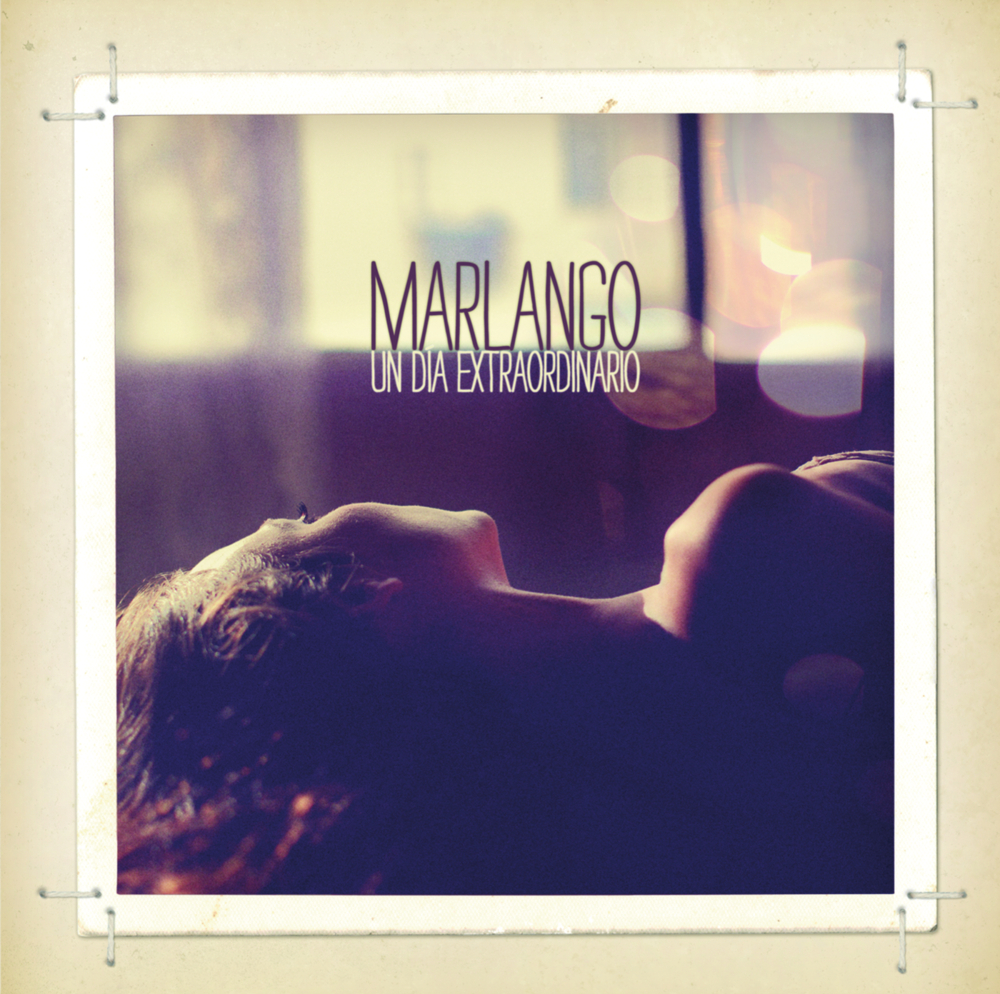
 View Artist