Song Meaning
The narrator observes Little Maggie, noting her "drinking away her troubles" and her connection to "some other man." This immediately sets a tone of troubled observation, tinged with a possessive longing. The imagery of her "clear blue eyes" with a "shining moonlight" contrasts sharply with her apparent struggles, suggesting a hidden depth or a beauty that the narrator finds captivating despite her circumstances.
The central tension lies in the narrator's conflicting desires and observations. He sees Maggie's beauty and potential for love, stating "Pretty women were made for loving," but then asserts a possessive claim: "Little Maggie was made for mine." This possessiveness clashes with the reality of her situation, implied by her drinking and the presence of another man. The repeated "Go away, go away, little Maggie" further complicates this, suggesting a push-and-pull between wanting her and recognizing she's unattainable or perhaps even harmful to him.
The lyrics employ a striking contrast between idealized natural imagery and Maggie's troubled reality. "Pretty flowers were made for blooming, / Pretty stars were made to shine" sets up a natural order of beauty and purpose. This order is then disrupted by Maggie's situation, where her "clear blue eyes" hold a "shining moonlight" that seems out of place with her drinking. The narrator's assertion that she "was made for mine" attempts to force her into his own idealized order, ignoring the complexities the lyrics themselves present.
This song's effectiveness stems from its raw, almost desperate, expression of desire against a backdrop of observed hardship. The narrator's possessiveness, while perhaps unsettling, is presented with a vulnerability that makes his longing palpable. The push-and-pull of the "Go away" refrain, juxtaposed with the assertion of ownership, creates an emotional complexity that resonates, capturing a specific kind of unfulfilled yearning.
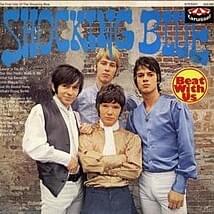
 View Artist