Introduction & Current Status
Shocking Blue, the Dutch band that brought the world the iconic "Venus," might not be dominating the charts today, but their influence is undeniable. That earworm of a track continues to pop up in movies, commercials, and TikToks, proving that some sounds are truly timeless. They remain a touchstone for psychedelic rock and a reminder of the vibrant music scene of the late '60s and early '70s.
While the original lineup is history, their music lives on through streaming services, tribute bands, and a steady stream of licensing deals. Shocking Blue's impact on popular culture ensures their place in rock history. They're a band that perfectly captured a moment in time, and that moment still resonates.
Early Life & Background
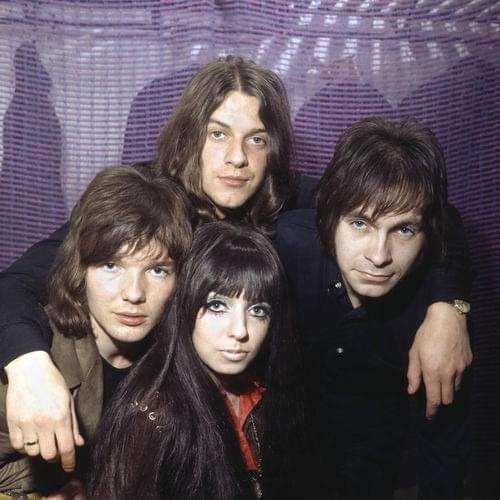
Formed in The Hague, Netherlands, in 1967, Shocking Blue's initial lineup featured Robbie van Leeuwen, a guitarist with a penchant for blending Eastern influences with Western rock. The band went through a few iterations before finding its defining sound and, more importantly, its iconic frontwoman, Mariska Veres.
Mariska, with her striking looks and powerful vocals, brought a whole new dimension to the band. Her Romani heritage added an exotic edge to their image, and her stage presence was captivating. She quickly became the face of Shocking Blue, and the rest, as they say, is history.
Van Leeuwen's musical vision, combined with Veres's undeniable charisma, created a potent combination. They drew inspiration from the burgeoning psychedelic rock scene, as well as blues and even sitar music. This eclectic mix set them apart from their contemporaries and helped them carve out their own unique niche.
Career Beginnings
Robbie van Leeuwen initially formed Shocking Blue with other members, but it wasn't until Mariska Veres joined that the band truly took off. Her audition blew them away, and she quickly became the centerpiece of their sound and image. It was a match made in rock and roll heaven.
Their early gigs were mostly local, playing in clubs and festivals around the Netherlands. They honed their sound and built a following, gradually gaining recognition for their energetic performances and unique blend of musical styles. They were definitely doing something different.
The band's early recordings were promising, but it was "Venus" that catapulted them to international stardom. The song's catchy melody and Veres's powerful vocals proved irresistible, and it quickly climbed the charts around the world. It was their breakthrough moment, and it changed everything.
Major Albums & Discography
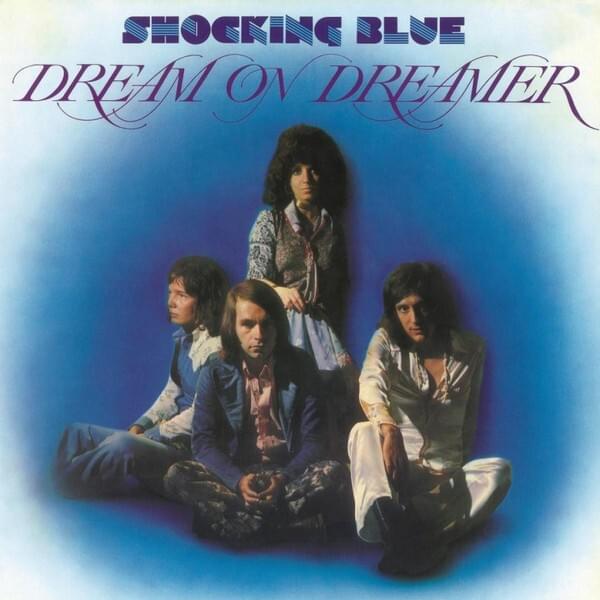
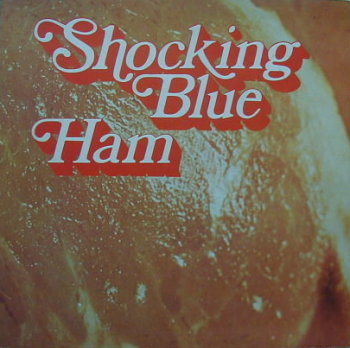
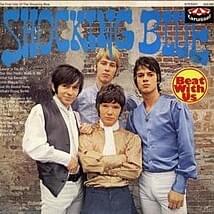
Shocking Blue's discography includes several albums, but it's arguable that none reached the heights of impact that their singles did. Their self-titled debut album showcased their early sound, a mix of psychedelic rock and blues influences. It laid the groundwork for their future success, but didn't quite capture the magic that was to come.
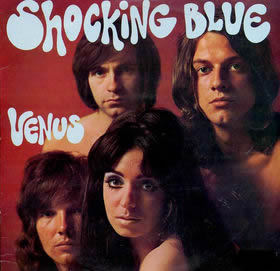
"At Home," released in 1969, is arguably their most well-known album, largely due to the inclusion of "Venus." The album showcased their ability to blend catchy pop sensibilities with harder-edged rock sounds. While "Venus" was the clear standout, the album as a whole demonstrated their musical range.
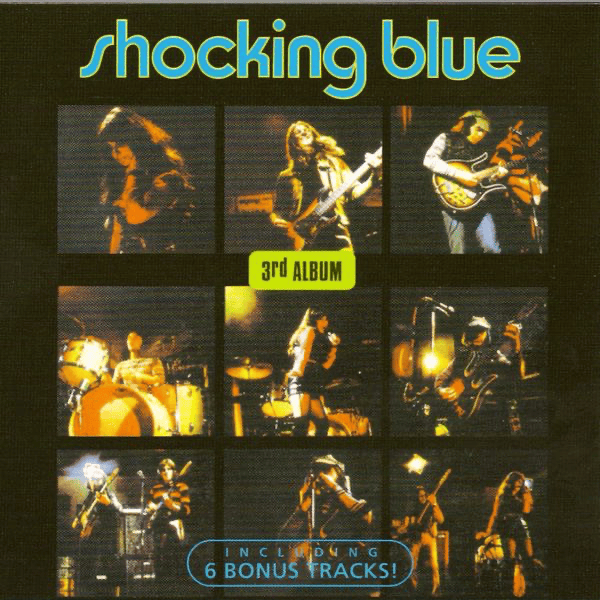
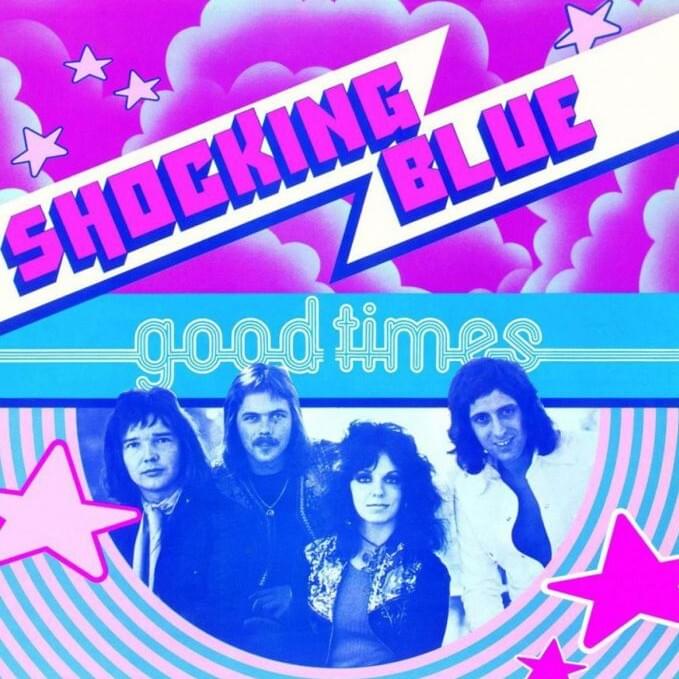
Subsequent albums like "Scorpio's Dance" and "Third Album" saw the band experimenting with different sounds and styles. They continued to evolve their sound, but never quite replicated the massive success of "At Home." The departure of key members also contributed to a shift in their musical direction.
Hit Songs & Signature Tracks
"Venus" is undoubtedly Shocking Blue's signature track. Released in 1969, it topped the charts in multiple countries, including the United States. Its infectious melody and Mariska Veres's powerful vocals made it an instant classic. It's one of those songs that everyone knows, even if they don't know who sings it.
The song's success was driven by its catchy hook and Veres's distinctive delivery. It was a perfect storm of musical elements that resonated with audiences around the world. "Venus" remains a staple of oldies radio and continues to find new fans through its use in popular culture.
While "Venus" is their biggest hit, Shocking Blue had other notable tracks, including "Never Marry a Railroad Man" and "Mighty Joe." These songs showcased their versatility and ability to craft catchy, memorable tunes. They might not have reached the same level of success as "Venus," but they were still popular in Europe and helped solidify the band's reputation.
Collaborations & Features
Shocking Blue primarily operated as a self-contained unit, with Robbie van Leeuwen writing most of their material and Mariska Veres providing the distinctive vocals. As a result, collaborations weren't a major part of their career. Their focus was on developing their own unique sound and style.
However, their music has been sampled and covered by numerous artists over the years. The enduring popularity of "Venus" has led to countless interpretations and remixes, showcasing the song's timeless appeal. It's a testament to the song's enduring power that it continues to inspire new generations of musicians.
Awards & Achievements
While Shocking Blue didn't win a ton of major awards, their biggest achievement was undoubtedly their international success with "Venus." The song's chart-topping performance in the United States was a rare feat for a Dutch band at the time. It broke down barriers and paved the way for other European artists to find success in America.
Their success with "Venus" also earned them gold and platinum records in multiple countries. The song's enduring popularity has ensured its place in music history, and it continues to be recognized as one of the greatest one-hit wonders of all time.
Beyond the awards and accolades, Shocking Blue's biggest achievement was their lasting impact on popular culture. Their music continues to be enjoyed by millions of people around the world, and their influence can be heard in the work of many contemporary artists.
Personal Life
Mariska Veres, the face and voice of Shocking Blue, was known for her enigmatic persona. She kept her personal life relatively private, focusing primarily on her music. Her striking looks and powerful stage presence made her a captivating figure, but she remained fiercely independent and guarded about her private affairs.
Robbie van Leeuwen, the band's guitarist and songwriter, also maintained a low profile outside of his musical endeavors. He was known for his dedication to his craft and his innovative approach to blending different musical styles. He preferred to let his music speak for itself, rather than seeking the spotlight.
Musical Style & Influence
Shocking Blue's musical style is best described as a blend of psychedelic rock, pop, and blues. Robbie van Leeuwen's guitar work was heavily influenced by Eastern music, incorporating sitar-like sounds and melodies into their songs. Mariska Veres's vocals added a soulful, bluesy edge to their sound.
Their influence can be heard in the work of many artists who followed in their footsteps. Their ability to blend different genres and create catchy, memorable tunes set them apart from their contemporaries. They helped pave the way for other European bands to find success on the international stage.
Shocking Blue's legacy lies in their ability to create timeless music that continues to resonate with audiences today. Their songs are a testament to the power of catchy melodies, powerful vocals, and innovative musical arrangements. They remain a touchstone for psychedelic rock and a reminder of the vibrant music scene of the late '60s and early '70s.
Recent Work & What's Next
While the original lineup of Shocking Blue is no longer active, their music continues to be discovered and enjoyed by new generations of fans. Their songs are frequently used in movies, commercials, and television shows, ensuring their continued relevance in popular culture.
There have been various tribute bands and cover versions of their songs over the years, keeping their music alive on stage. Shocking Blue's legacy is secure, and their music will continue to be celebrated for years to come. They remain a fascinating chapter in the history of rock and roll.
 Venus
Venus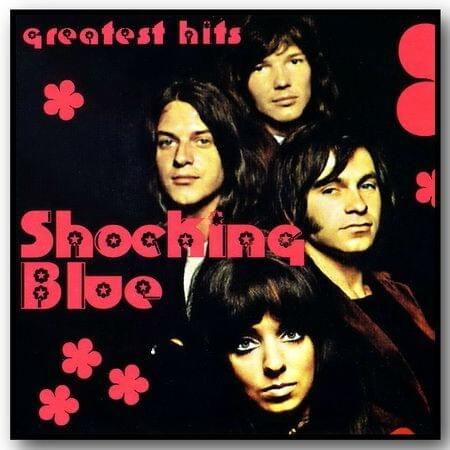 Send Me a Postcard
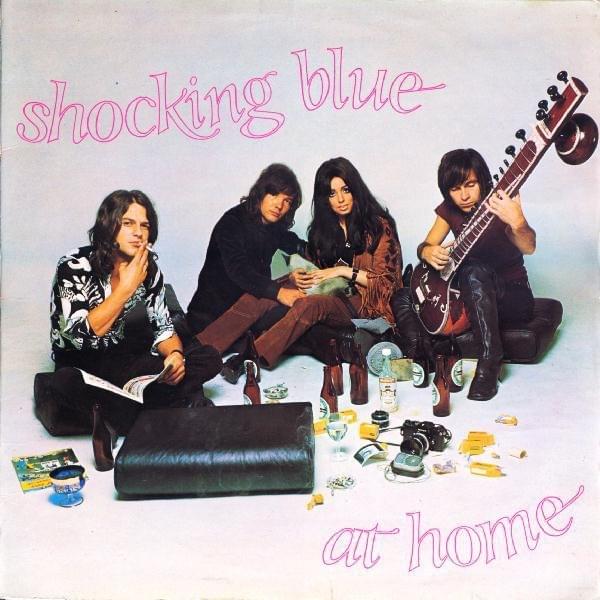 Love Buzz
 Never Married A Railroad Man
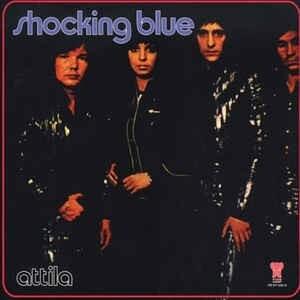 Early in the Morning
 Ooh Wee, There’s Music in Me