Song Meaning
The lyrics present a stark, almost stoic command: keep your actions and your emotions hidden. The repeated phrase, "Don't let your right hand know / What your left hand do," suggests a need for secrecy, perhaps even a division within oneself. It's a directive to maintain an outward appearance of control, regardless of what's happening internally or in one's private dealings. This duality hints at a life lived with a carefully constructed facade.
The second core instruction, "Don't let your tears fall down / When your baby's gone," reinforces this theme of emotional suppression. The loss of a significant person is met not with outward grief, but with an internal command to hold it all in. The repetition emphasizes the intensity of this self-imposed discipline, framing heartbreak as something to be endured in silence. It's a powerful image of someone trying to maintain composure in the face of profound personal pain.
The craft here is in its relentless repetition and stark, almost biblical, duality. The right hand and left hand become a metaphor for the public self versus the private self, or perhaps even conscious intent versus subconscious action. The command to suppress tears, juxtaposed with the implied pain of a departed "baby," creates a palpable tension. The lyrics don't offer comfort, but rather a blueprint for self-containment, making the emotional weight of unspoken sorrow feel immense.
This approach makes the lyrics hit hard because they tap into a primal instinct for self-preservation and the societal pressure to appear strong. The starkness of the language, devoid of complex metaphor or narrative, forces the listener to confront the raw emotional directive. It's effective because it mirrors moments in life where we feel compelled to put on a brave face, even when our world is falling apart internally.
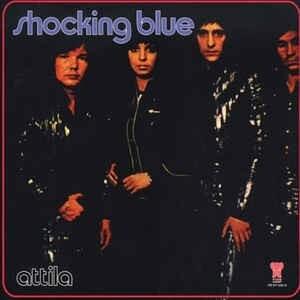
 View Artist