Song Meaning
The lyrics paint a picture of a clandestine encounter, shrouded in secrecy and a strange sense of detachment. The narrator is giving advice, or perhaps rationalizing their own actions, about how to handle a situation where getting "her" requires a certain hardness and meticulousness. Phrases like "You've gotta be hard" and "Don't leave her scarred" suggest a need for emotional resilience and careful execution, while "Lock it up tight" and "Don't leave any clues" emphasize concealment. This creates an immediate tension between the desire to possess someone and the obligation to do so without leaving a trace, hinting at something illicit or at least deeply private.
The dominant emotional conflict seems to stem from the narrator's apparent lack of genuine connection to the person they are involved with, juxtaposed with the practical demands of the situation. The line "I don't even know her" is a stark admission that undercuts any pretense of deep feeling, yet the narrator is still concerned with the mechanics of the encounter, like "making sure there's something that she likes on the radio." This suggests a performance or a transaction rather than a relationship, where outward appearances and careful planning are paramount, even if the emotional core is absent.
A particularly striking element is the recurring motif of feigned ignorance. The repeated phrase "And when they ask me / I'll just say that I didn't know" acts as a shield, a pre-emptive defense against accountability. This is paired with the almost absurdly mundane advice like "Don't you walk on the grass" and "Drive by the bank," which creates a disorienting blend of the trivial and the potentially serious. It implies a need to maintain a facade of normalcy and innocence, even as the underlying actions are questionable or hidden.
Ultimately, the effectiveness of these lyrics lies in their unsettling ambiguity and the chilling pragmatism they convey. The narrator's detached, almost clinical approach to what appears to be a sexual or romantic encounter is what makes it resonate. The advice given is less about genuine care and more about damage control and maintaining plausible deniability, leaving the listener to ponder the true nature of the "Prince and the Showgirl" scenario and the emotional cost of such calculated interactions.
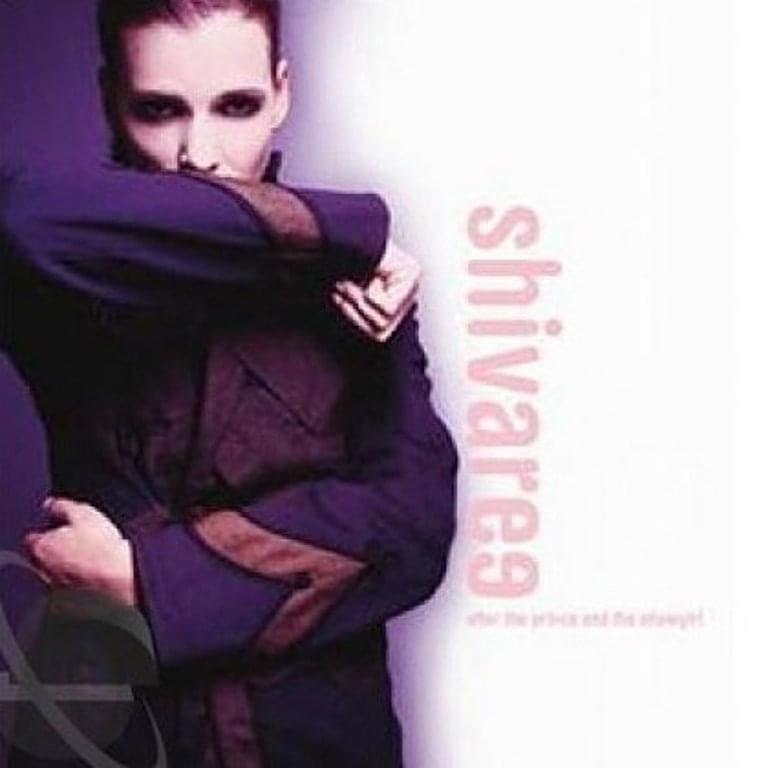
 View Artist