Song Meaning
The lyrics paint a picture of a possessive and perhaps disturbed narrator who uses sleep as an escape and a tool for control. The opening lines, "Giddy-up old boy it's time to go / Voulez-vous savoir the love below?", set a slightly unsettling, almost taunting tone, immediately followed by a confession of exhaustion and overwhelming feelings: "Brother, I've got more than you can take / But more than I can do to stay awake." This contrast hints at a hidden struggle beneath a facade of capability.
The central tension lies in the narrator's desire to possess and control another person, referred to as "son" and later "love," through the act of closing their eyes. The repeated refrain, "I close my eyes / So I / Can dream of ways to keep you occupied / So I / Can lock you up we'll keep it classified," reveals that sleep isn't just rest but a mental space where fantasies of ownership and confinement are enacted. The narrator seems to find solace or power in these private, imagined scenarios, suggesting a disconnect between their waking reality and their internal world.
The lyrics employ a disorienting blend of childlike imagery and darker themes. Phrases like "Hide and seek, yellow ducky" and "Who's got milk, the baby's crying" are juxtaposed with "little kiddies bought and sold" and the possessive declaration, "You're mine tonight." This unsettling combination creates a disturbing atmosphere, implying that the narrator's desire to "keep you occupied" and "lock you up" might extend beyond mere fantasy, hinting at a predatory or exploitative mindset masked by innocent-sounding language.
This lyrical construction is effective because it uses familiar, almost nursery-rhyme-like elements to explore deeply disturbing themes of control and obsession. The narrator's confession of being "more than I can do to stay awake" coupled with the desire to "lock you up" when their eyes are closed suggests a desperate attempt to manage overwhelming feelings or impulses through escapism and fantasy. The shift from "son" to "love" in the final lines adds another layer of ambiguity, leaving the listener to question the true nature of this intense, imagined bond.
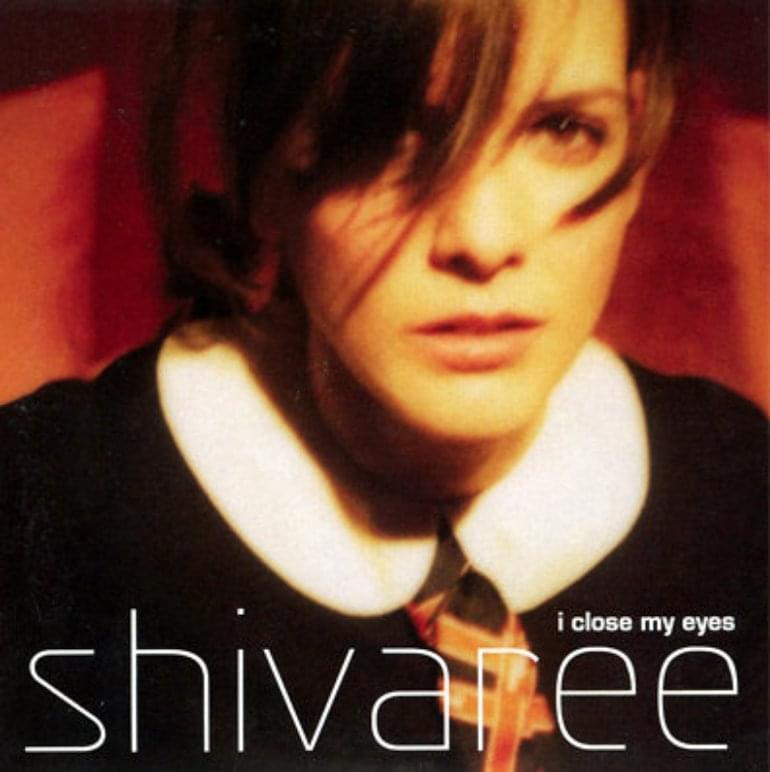
 View Artist