Song Meaning
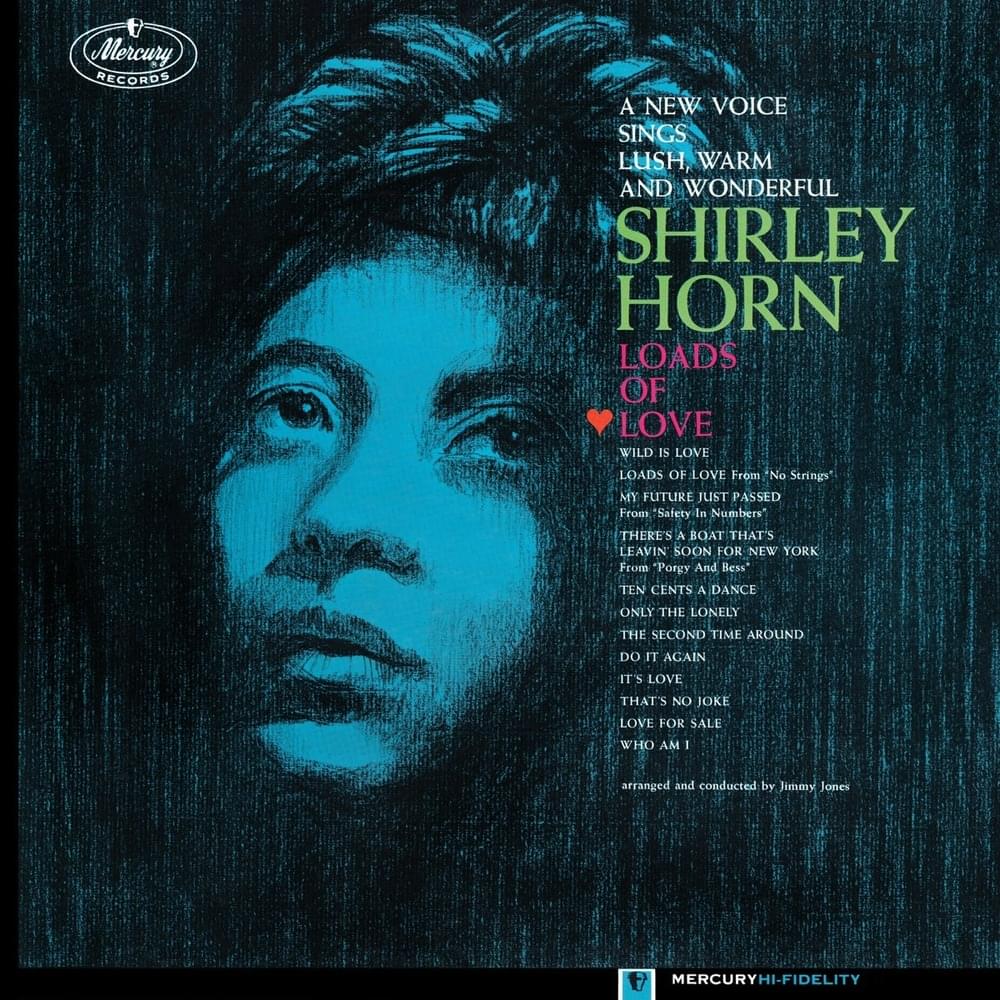
Shirley Horn's "Wild Is Love" is less a song and more a carefully distilled emotional weather report. The track doesn't chase narrative complexity; instead, it circles a core idea: the untamed, almost elemental force of love. It's a veteran's take – someone who's clearly seen love's chaotic side, its capacity to both exhilarate and devastate. Horn doesn't shy away from acknowledging the 'bitter' aspects, suggesting a love seasoned by experience, not some naive, sugar-coated fantasy. The repetition of 'Wild is love' acts like a mantra, grounding the listener in this central truth. It’s a pronouncement, delivered with the weight of lived experience.
The song meaning resides in its stark, almost primal imagery. Love is likened to an uncontrollable fire, something that consumes and transforms. This isn't a gentle warmth; it's a blaze. The contrast with the 'roaring sea' and 'wild wind' is crucial. Horn isn't just saying love is wild; she's arguing it surpasses even nature's most formidable displays of untamed power. This elevates love to a force that shapes our very being. The lyrics hint at a willingness to surrender to this force – 'Wherever love takes me...I will be.' It’s a powerful statement of acceptance, a recognition that love, in its wildness, dictates a course beyond our conscious control.
Ultimately, "Wild Is Love" isn't just about romantic infatuation; it's about the profound, often disruptive impact love has on the human psyche. Shirley Horn uses sparse lyrics to paint a portrait of love as an overwhelming, almost destabilizing force, one that reshapes identity and dictates destiny. The deep, almost reverent, repetition in the lyrics analysis drives home the point: love, in its purest form, is an untamed, elemental power that surpasses even the wildest forces of nature.
 View Artist