Song Meaning
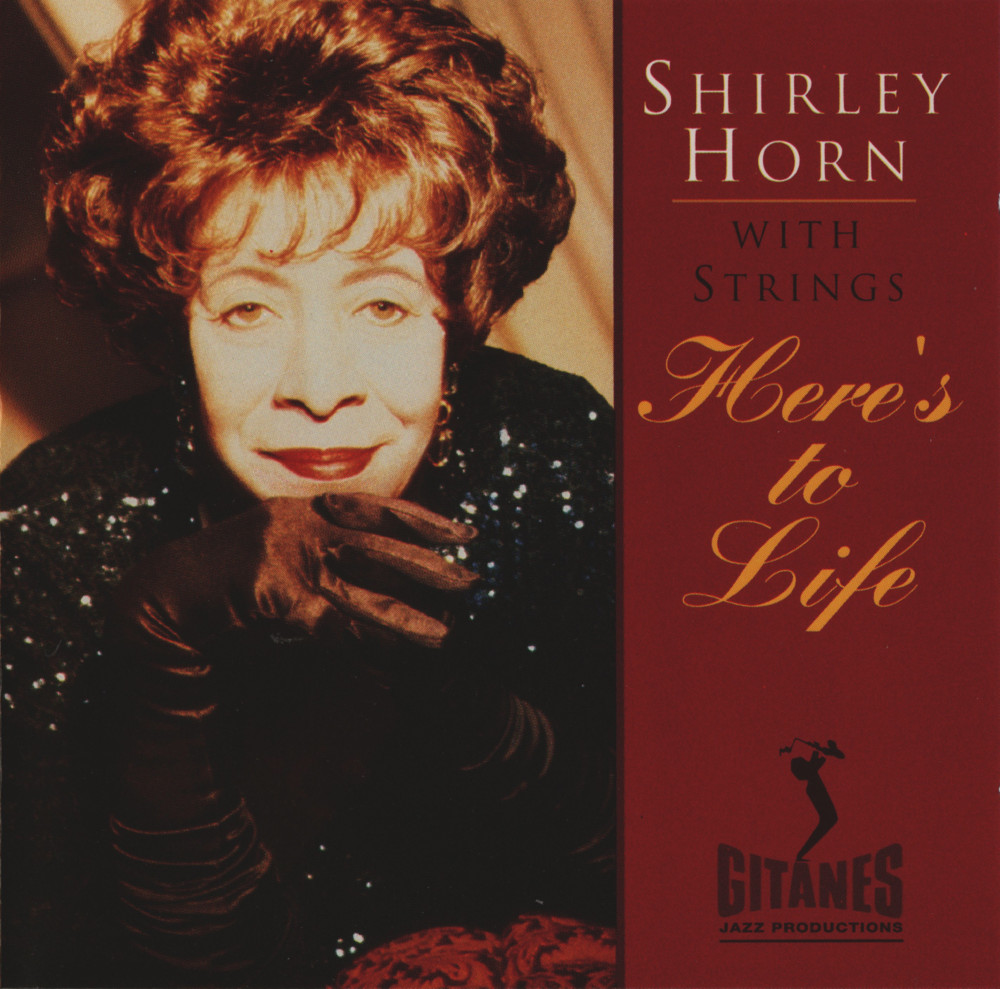
Shirley Horn's rendition of "Where Do You Start?" isn't just a ballad; it's a masterclass in emotional archaeology. The song meaning revolves around the daunting task of dismantling a shared life after love's expiration. It's not the dramatic explosion of a breakup, but the quiet, painstaking work of sorting through the wreckage – a far more common, and perhaps more psychologically taxing, experience. The opening lines immediately plunge us into the disorienting present, grappling with how to disentangle the 'now' from a past so interwoven it feels impossible to dissect. This isn't just about dividing possessions; it's about separating shared dreams, habits, and the very fabric of two lives that have become inextricably linked. The central question, "Where do you start?", becomes a poignant mantra for anyone who's faced the overwhelming task of rebuilding after loss.
The lyrics cleverly use everyday objects – books, tapes, dreams – as metaphors for the deeper connection that's been severed. 'Our lives are tangled like the branches of a vine' isn't just a pretty image; it's a visceral depiction of how intertwined two people can become, making the act of separation all the more agonizing. The bridge offers a fleeting moment of wistful reverie, acknowledging the inevitable triggers that will resurrect memories of the lost love. It’s a stark reminder that even in the process of moving on, the past has a way of resurfacing, catching us off guard with a song or a scent that brings them back, 'a moment in what might have been'.
Ultimately, "Where Do You Start?" acknowledges the messy, non-linear nature of healing. There's no easy answer, no prescribed method for moving on. The final verse grapples with the conflicting impulses of grief ('Do you allow yourself a little time to cry?') and self-preservation ('Or do you close your eyes and kiss it all goodbye?'). The song doesn't offer a tidy resolution. Instead, it lands on a bittersweet compromise: the promise of future love tempered by the quiet acknowledgement that a part of the heart will forever remain tethered to the past. This isn't a defeat; it's a realistic portrayal of how love, even in its absence, continues to shape who we are.
 View Artist