Song Meaning
Shirley Horn's rendition of "The Best Is Yet to Come" shimmers with a sophisticated, world-weary optimism—a knowing glance cast towards a future brimming with untapped potential. It's not the naive hope of youth, but the confident assertion of someone who understands the slow burn of genuine connection. The lyrics aren't just about romantic anticipation; they hint at a profound awakening, a shedding of past limitations in favor of embracing a transformative love. This isn't a frantic plea but rather a patient promise, delivered with Horn's signature smoky voice and understated elegance. The "tree of life" and the "plum" suggest a deliberate choice, a seizing of opportunity that sets the stage for something extraordinary. The repetition of "The best is yet to come, and babe won't it be fine?" acts as both a mantra and a seductive invitation.
Beneath the surface of romantic longing lies a deeper exploration of self-discovery and liberation. The lyrics speak of transcending perceived limitations: "You think you've seen the sun but you ain't seen it shine," and "You think you've flown before but you ain't left the ground." Horn suggests that the beloved hasn't yet experienced true fulfillment, implying that she, the singer, holds the key to unlocking their potential. This isn't presented as arrogance, but as an act of profound generosity, a willingness to guide someone towards a richer, more vibrant existence. The anticipation builds through the verses, creating a palpable sense of excitement and possibility. The metaphor of teaching someone to fly reinforces this theme of liberation and the breaking of earthly bonds.
The recurring phrase, "come the day you're mine," is not merely a possessive claim but an indication of symbiotic potential. It's the moment when two individuals merge, creating a synergistic force that elevates them beyond their individual limitations. The imagery of ripening charms and embracing arms speaks to a sensual and deeply intimate connection, suggesting that the best is found in vulnerability and mutual surrender. Shirley Horn's interpretation of "The Best Is Yet to Come" transforms a simple love song into a powerful statement about the transformative power of love, the pursuit of personal growth, and the unwavering belief in a brighter future, all delivered with a knowing wink and a touch of sophisticated allure.
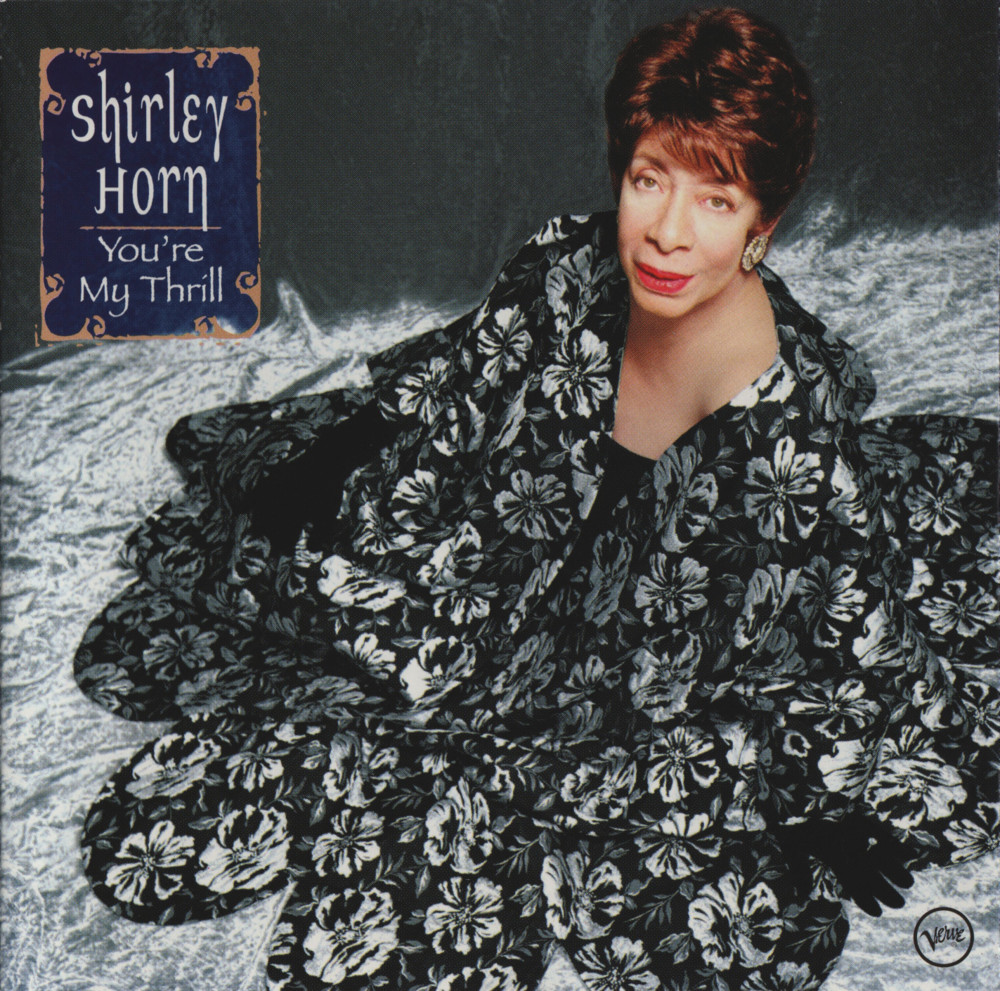
 View Artist