Song Meaning
Shirley Horn's "Return to Paradise" isn't just a song; it's an invitation to psychological escape. The lyrics, simple yet resonant, paint a picture of an idyllic refuge, a place where the weary soul can find solace. The repeated phrase "Return to paradise" functions as a mantra, a hypnotic suggestion to leave behind the burdens of reality and seek sanctuary in a realm of tranquility. This isn't necessarily a physical location, but more likely a metaphor for a state of mind, a psychological space free from turmoil. The "sea" to be crossed could represent the emotional distance between the listener and their inner peace. Horn's interpretation suggests this paradise is not a given, but a conscious choice, a journey one must undertake with a willing partner: "Come my love with me."
The imagery in "Return to Paradise" reinforces this theme of transformative escape. The "velvet moon above" evokes a sense of gentle guidance and serenity, while the audacious claim that "evil turns to love" speaks to the healing power of this imagined sanctuary. Love, in this context, transcends mere romance; it becomes the ultimate antidote to suffering, the force capable of transmuting negativity into positivity. The almost childlike simplicity of the lyrics belies a sophisticated understanding of human desire: the yearning for a place where pain ceases to exist and emotional wounds can finally heal. It echoes the psychological need for a safe space, a concept deeply rooted in attachment theory.
Ultimately, the song's meaning lies in its promise of restoration. The invitation to "find your peace of mind" is the core of Horn's message. It's a call to action, urging the listener to actively pursue a state of inner harmony. "Return to Paradise" isn't just about escaping; it's about reclaiming a sense of self, a return to a state of wholeness that has been lost or forgotten. It's a powerful testament to the enduring human need for hope and the possibility of redemption, even in the face of life's inevitable challenges.
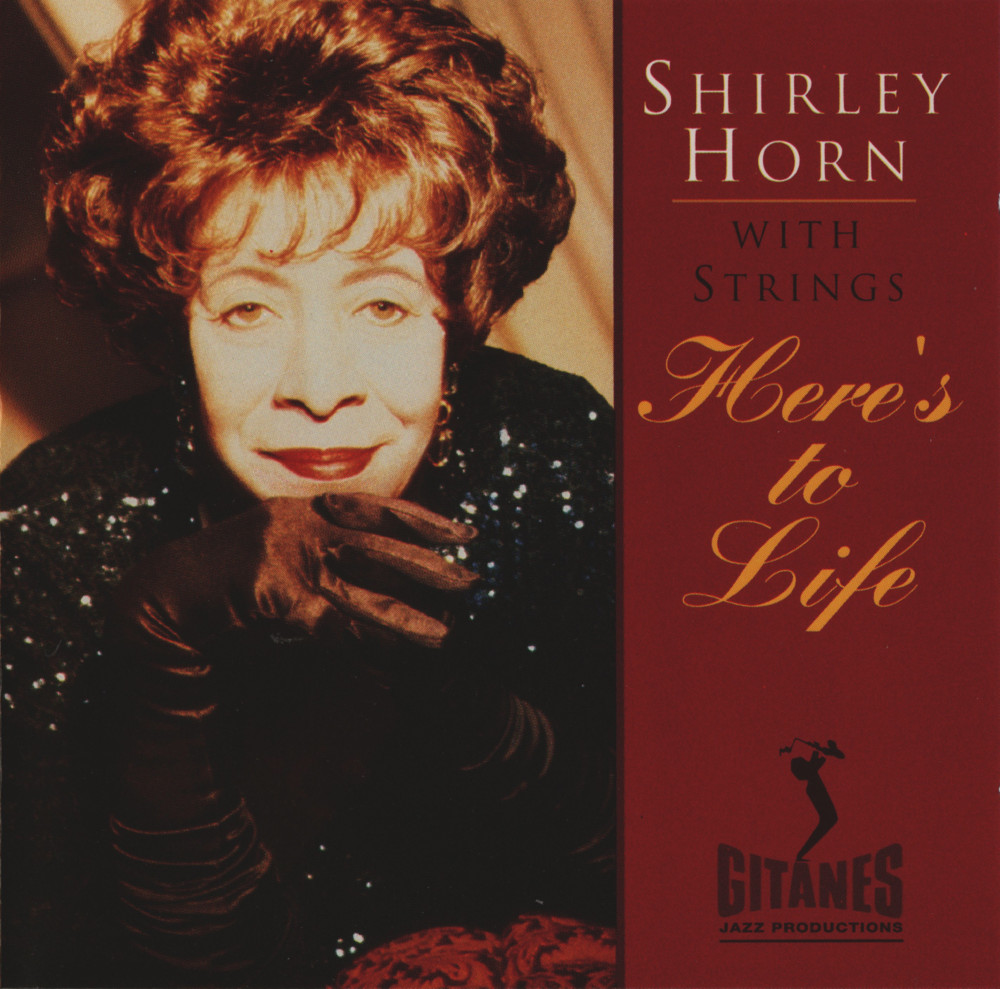
 View Artist