Song Meaning
Shirley Horn's rendition of "A Time for Love" isn't just a ballad; it's a masterclass in emotional distillation. It's the kind of song that sneaks up on you, its apparent simplicity belying a profound understanding of the human heart's yearning for connection. The lyrics, on the surface, paint a picture of idyllic romance – hummingbirds, butterflies, rainbow-colored weather. But beneath this veneer lies a deeper contemplation on the cyclical nature of life and love, and the quiet desperation to hold onto fleeting moments of joy. The song doesn't just describe love; it creates a space for it, a sanctuary from the harsh realities of existence. Horn understands that love isn't always fireworks; sometimes, it's the gentle harmony of 'tender words' and the shared wonder of 'admiring the daffodils above.'
The recurring motif of time drifting by, symbolized by the bending willow, introduces a melancholic undercurrent. It's a subtle acknowledgment of love's impermanence, the inevitable passage of seasons, and the acceptance that all things must eventually change. The singer's own bending alongside the willow suggests a vulnerability, an openness to life's ebb and flow. But this isn't a surrender to despair; it's a quiet affirmation of resilience. Despite the ephemeral nature of these beautiful moments, they are worth experiencing fully. The repetition of 'a time for holding hands together' reinforces the importance of physical and emotional intimacy as an anchor in a constantly shifting world. It's a reminder that even in the face of uncertainty, human connection can provide solace and strength.
Ultimately, "A Time for Love" isn't just about romantic love; it's about finding moments of beauty and connection in a world that often feels chaotic and overwhelming. It is about appreciating the simple joys – the summer skies, the tender words – and recognizing that these moments, however fleeting, are what make life worth living. Horn’s phrasing suggests that spring and fall are recognized as important times, but 'best of all' is always 'a time for love'. This isn’t just a preference; it’s a prioritization of the human connection as life's most valuable experience, making the song a timeless meditation on love, loss, and the enduring power of human connection.
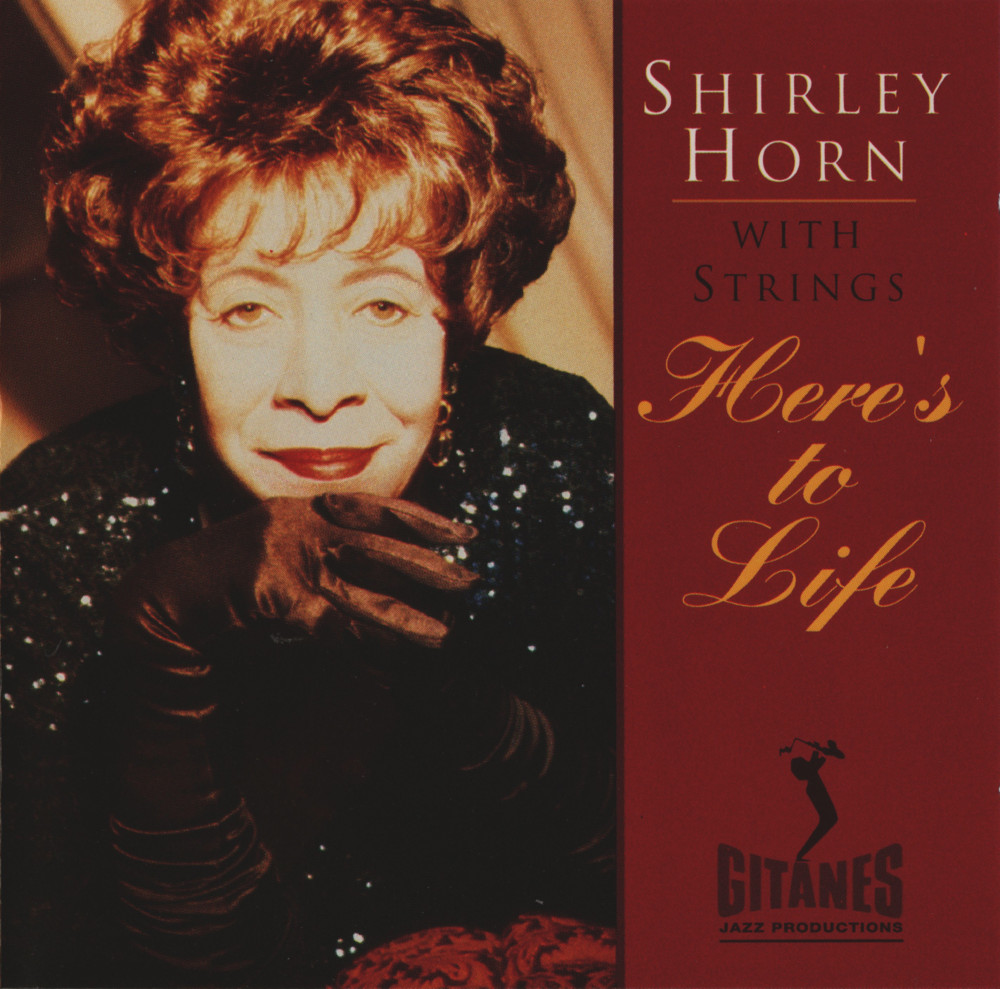
 View Artist