Song Meaning
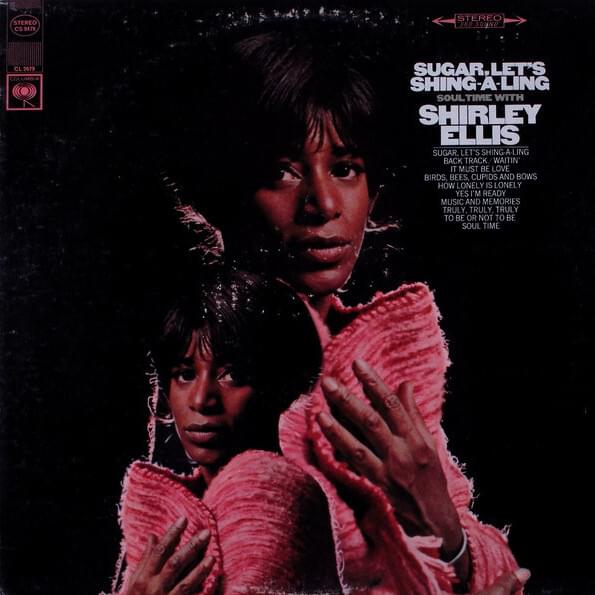
Shirley Ellis's "How Lonely is Lonely" isn't just a question; it's an existential crisis wrapped in a deceptively simple melody. The song's core revolves around a romantic rupture, using the rhetorical device of questioning extreme emotional states—loneliness and sadness—to quantify the loss experienced after a breakup. Ellis isn't merely sad; she's trying to define the very *essence* of sadness now that she's living it. The opening lines function as a stark emotional equation: the absence of a loved one equals the purest form of desolation. It’s a raw, almost childlike inquiry into the depths of human feeling. The repetition of "How lonely is lonely? How blue is blue?" drills into the listener's psyche, forcing us to confront our own definitions of these feelings.
Memory plays a crucial role in the song's emotional architecture. Ellis revisits the past, asking "How happy was happy?" This isn't just nostalgia; it's a psychological comparison. She's contrasting the remembered joy of the relationship with the present pain of its absence, amplifying the sense of loss. The lines "Who else could be happier than we used to be?" suggest a belief that their happiness was exceptional, perhaps even unique. This belief intensifies the current suffering because it implies that such profound joy may be unrecoverable. The song subtly hints at a potentially avoidable tragedy.
Beneath the surface of heartbreak, "How Lonely is Lonely" carries a plea for reconciliation. The bridge introduces the idea that a "little misunderstanding" caused the separation. This suggests that the breakup wasn't the result of deep-seated incompatibility but rather a communication breakdown. The line "Let's try to get a better understanding / Before we break each others hearts!" serves as a desperate attempt to salvage the relationship. It’s a moment of clarity amidst the emotional turmoil, advocating for communication and understanding as antidotes to heartbreak. Ultimately, the song uses the exploration of extreme emotions to underscore the importance of connection and the devastating consequences of its loss.
 View Artist