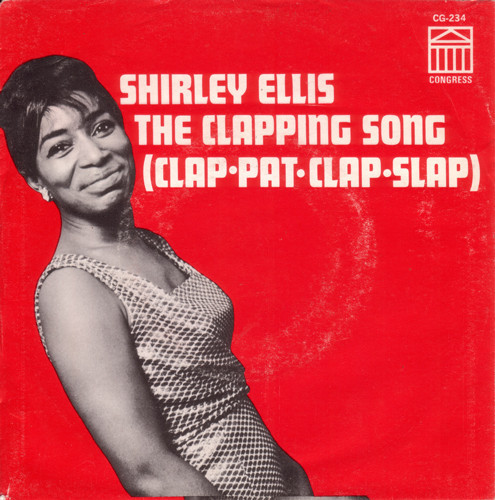
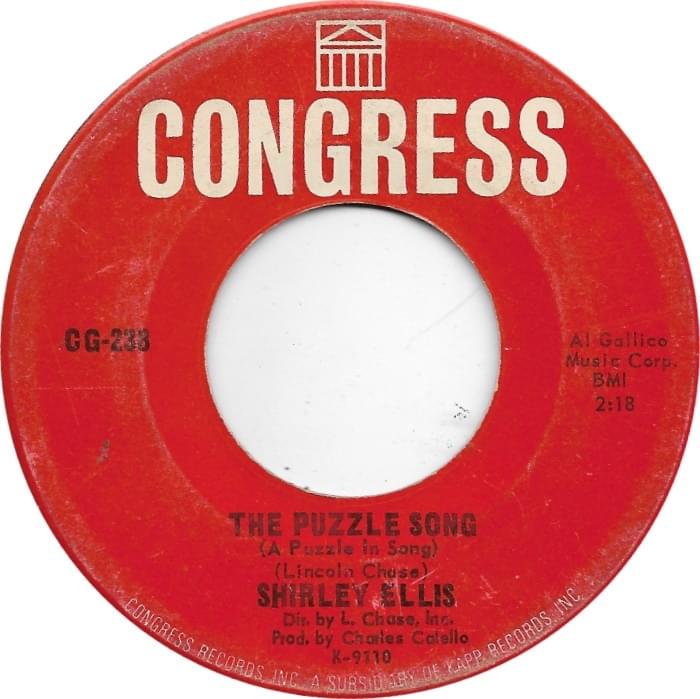
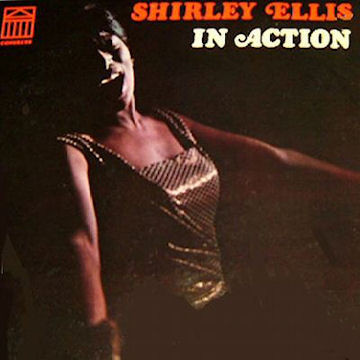
Shirley Ellis, a name synonymous with infectious energy and unforgettable novelty hits, carved a unique niche in the pop landscape of the 1960s. Though her career was relatively brief, her impact resonates even today, thanks to her playful lyrics, distinctive vocal style, and undeniable knack for crafting earworms. Ellis wasn't just a singer; she was a storyteller, a vocal gymnast, and a master of the musical gimmick, all rolled into one charismatic package.
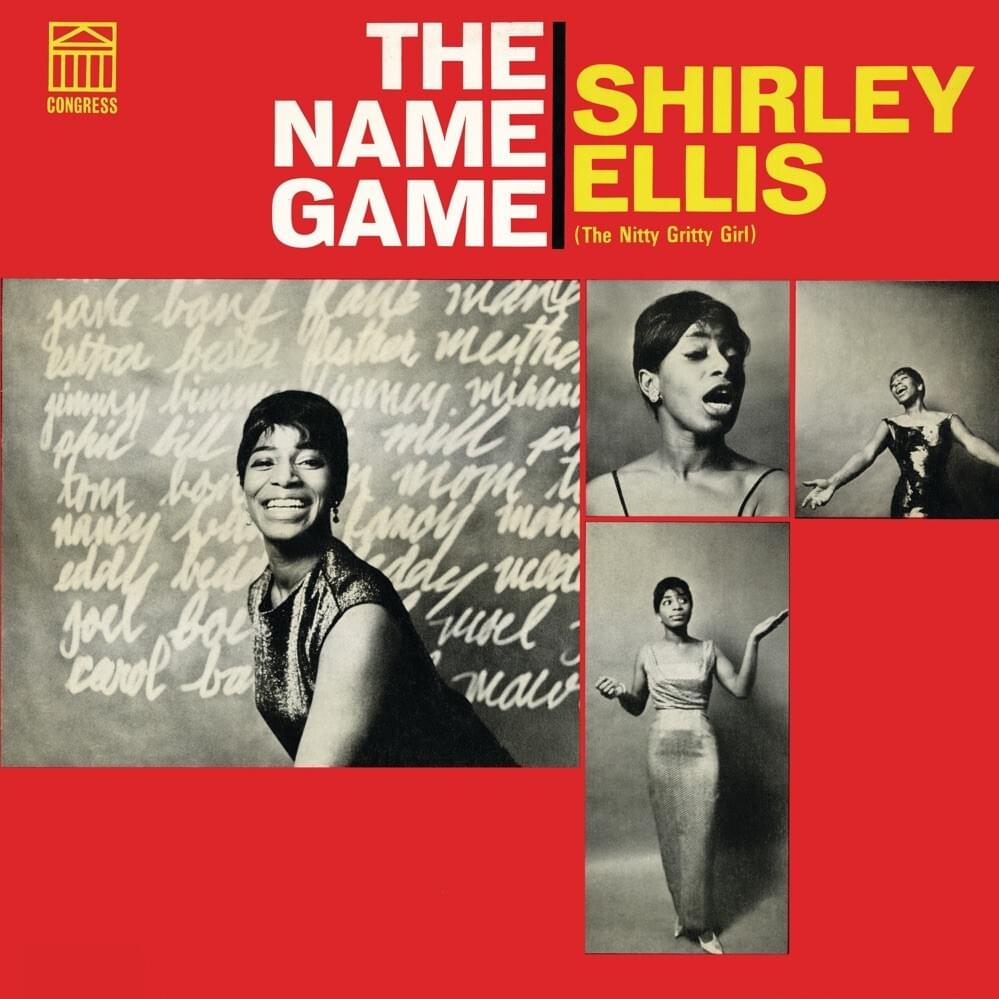
Born in the Bronx, New York, Ellis honed her skills in various vocal groups before embarking on a solo career. Her breakthrough came in 1964 with "The Nitty Gritty," a song that perfectly showcased her ability to blend catchy melodies with innovative vocal arrangements. The song's success paved the way for a string of hits that cemented her place in pop history. She followed up with another version of the song, (That's) What The Nitty Gritty Is.
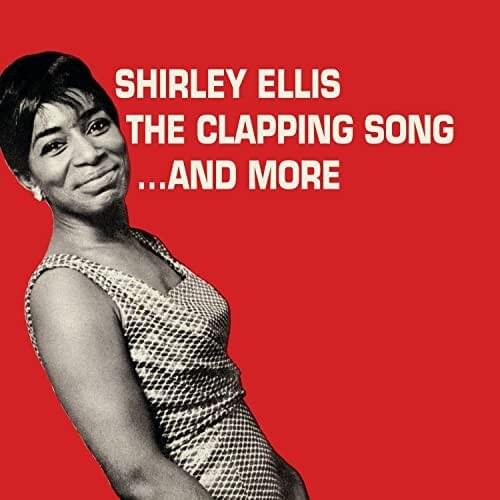
Ellis's signature sound was characterized by her playful use of scatting, call-and-response vocals, and spoken-word interludes. She had a gift for transforming simple concepts into captivating musical experiences. Consider The Clapping Song, a seemingly straightforward tune that became a global phenomenon, inspiring countless listeners to clap along. Then there's I See It, I Like It, I Want It, a bouncy, feel-good anthem of consumer desire that perfectly captured the spirit of the era.
While many remember Ellis for her novelty songs, she was also a capable interpreter of other styles. Her version of Bring It On Home To Me shows a soulful side, revealing a depth and versatility that sometimes got overshadowed by her more lighthearted material. She even tackled jazz standards, as evidenced by her rendition of Stardust. Ellis's talent for blending genres contributed to her lasting appeal.
Shirley Ellis's music remains a joyful reminder of a time when pop music could be both fun and inventive. Her songs continue to be discovered by new generations, ensuring that her legacy as the Queen of Novelty Pop lives on.