Song Meaning
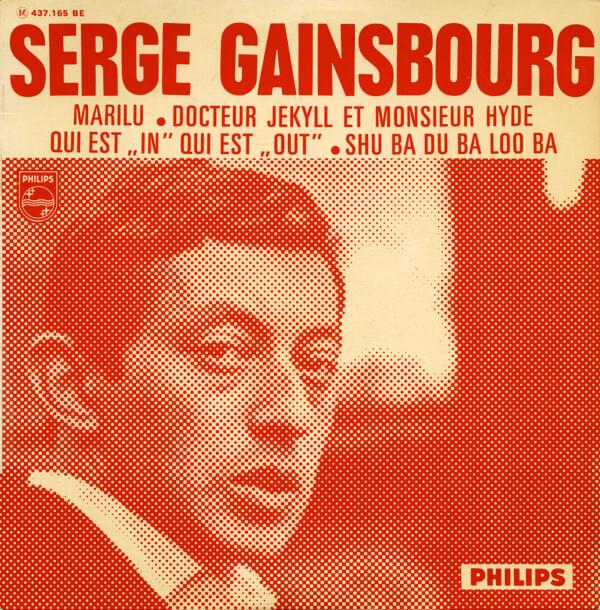
{"song_id": 13409041, "meaning": "Serge Gainsbourg's \"Qui est 'in' qui est 'out'\" is a sardonic snapshot of fleeting relevance, a pop-art commentary on the ephemeral nature of cool. The repetitive, almost playground-taunt chorus of \"Who's in? Who's out?\" underscores the ruthless and arbitrary gatekeeping that defines trends and social circles. Gainsbourg, ever the provocateur, dissects the criteria for acceptance with a detached amusement, observing how easily one can transition from 'in' to 'KO' based on the whims of time, taste, or even the hour of the day. It's a game where the rules are unwritten and constantly shifting, mirroring the anxieties of a culture obsessed with staying ahead of the curve. The lyrics paint a picture of a scene fueled by fleeting pleasures and superficial connections. References to mixing bouillon and gin, and the need to be intoxicated to keep up, suggest a world where authenticity is sacrificed at the altar of appearing 'in.' The mention of nitroglycerin and the Bus Palladium, a famous Parisian nightclub, hints at a dangerous, intoxicating undercurrent to this pursuit of relevance.
The song's genius lies in its simplicity. The relentless repetition of the chorus becomes a hypnotic mantra, driving home the absurdity of the 'in/out' dichotomy. Gainsbourg name-drops Barbarella, a symbol of futuristic fantasy, only to dismiss her if she doesn't validate his ego. This illustrates the narcissistic core of the 'in' crowd – a desperate need for validation that ultimately renders them as insecure as those they deem 'out.' The driving guitar solo provides a brief escape from the relentless questioning, a moment of pure, unadulterated energy that contrasts sharply with the song's cynical observations.
Ultimately, \"Qui est 'in' qui est 'out'\" isn't just about fashion or celebrity. It's about the human need to belong, the fear of being left behind, and the lengths people will go to in order to maintain their social standing. Gainsbourg, with his signature blend of wit and cynicism, holds a mirror up to this shallow pursuit, inviting us to question the value of chasing trends and the price of admission to a club that's always changing its membership."}
 View Artist