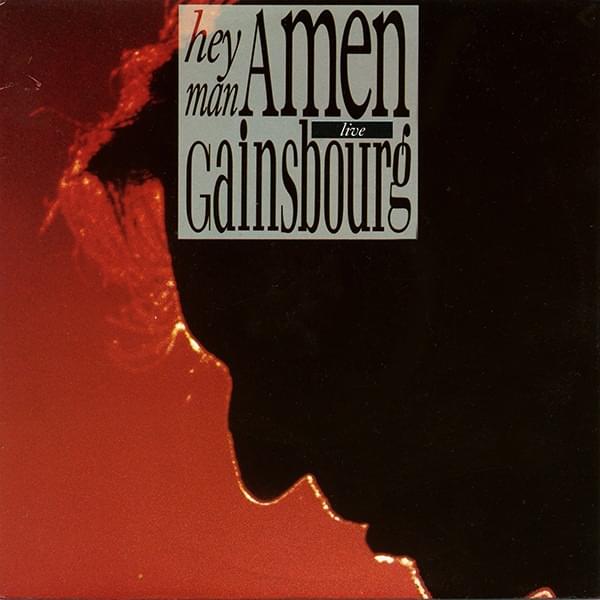
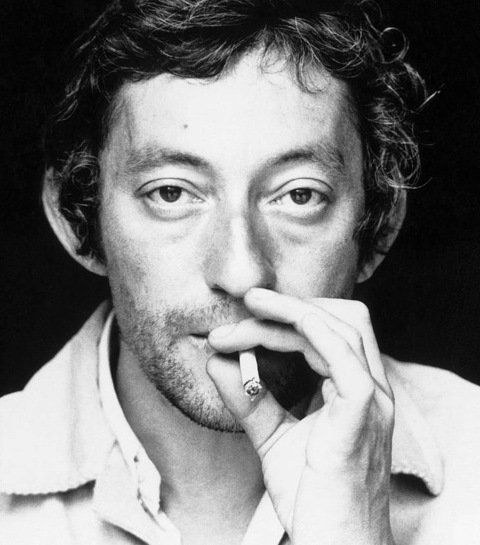
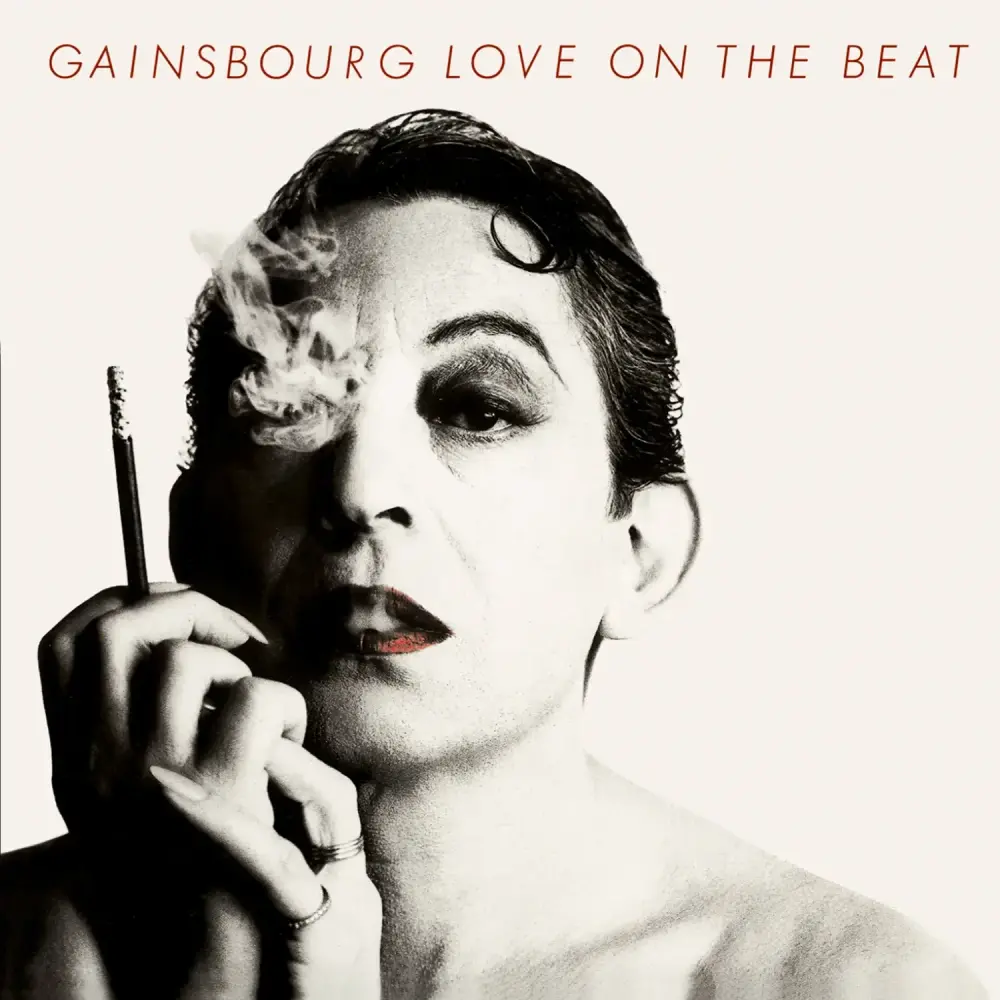
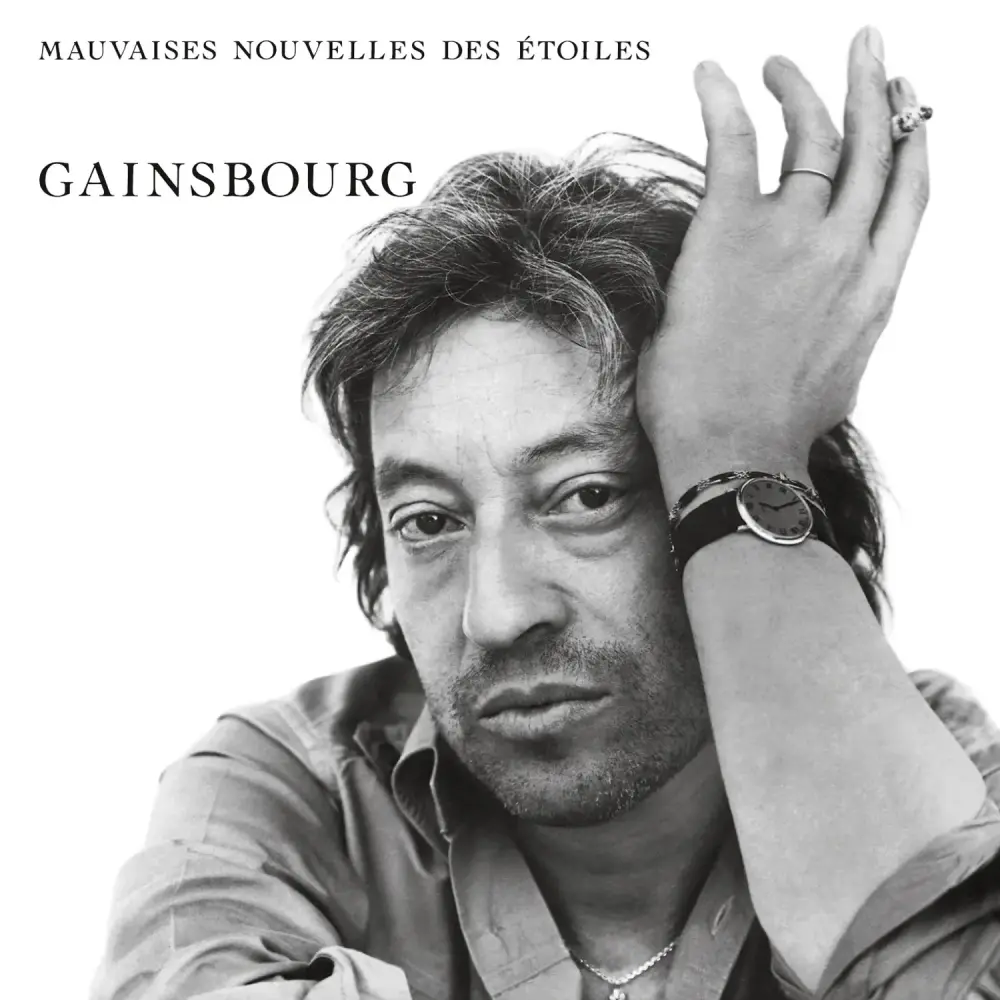
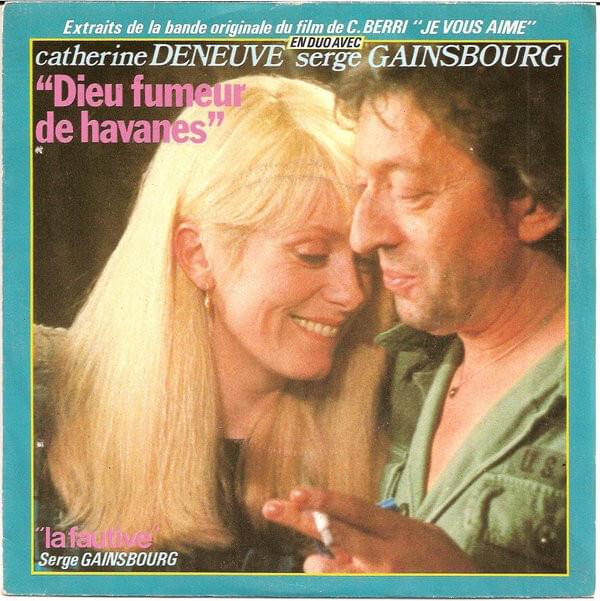
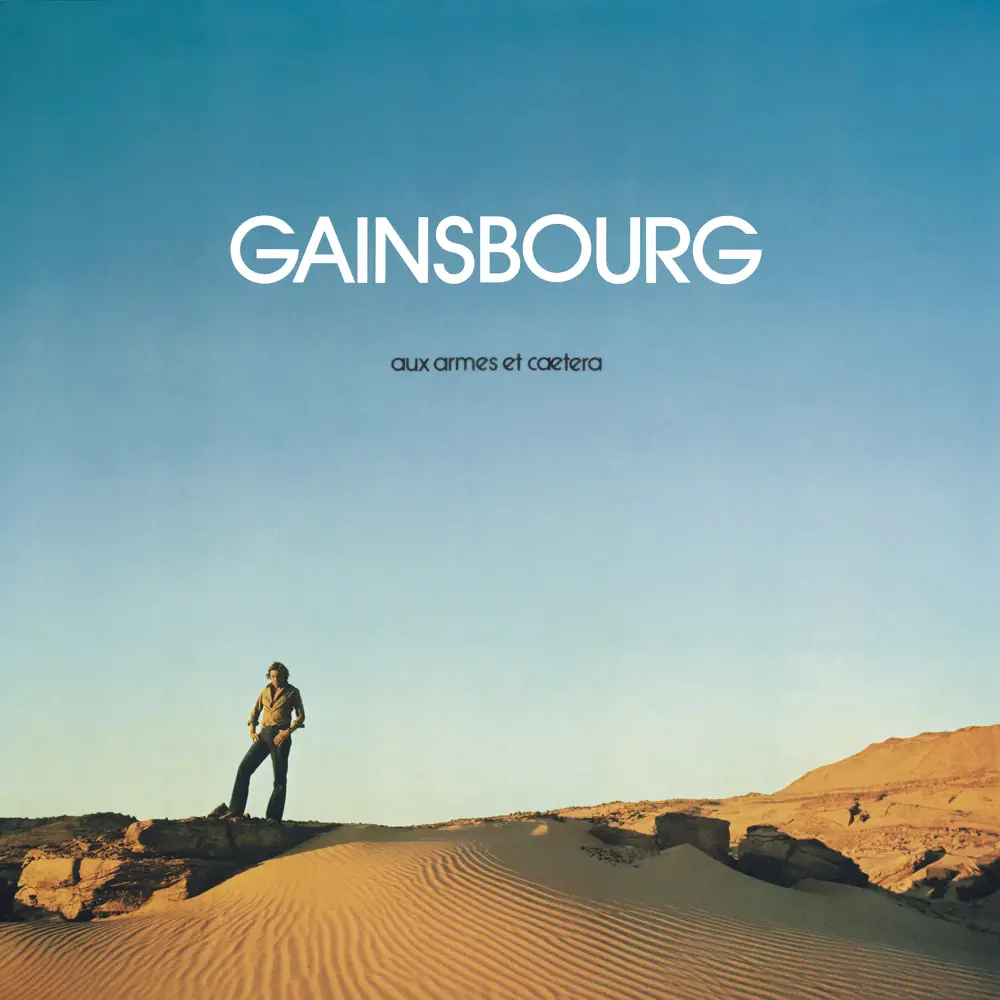
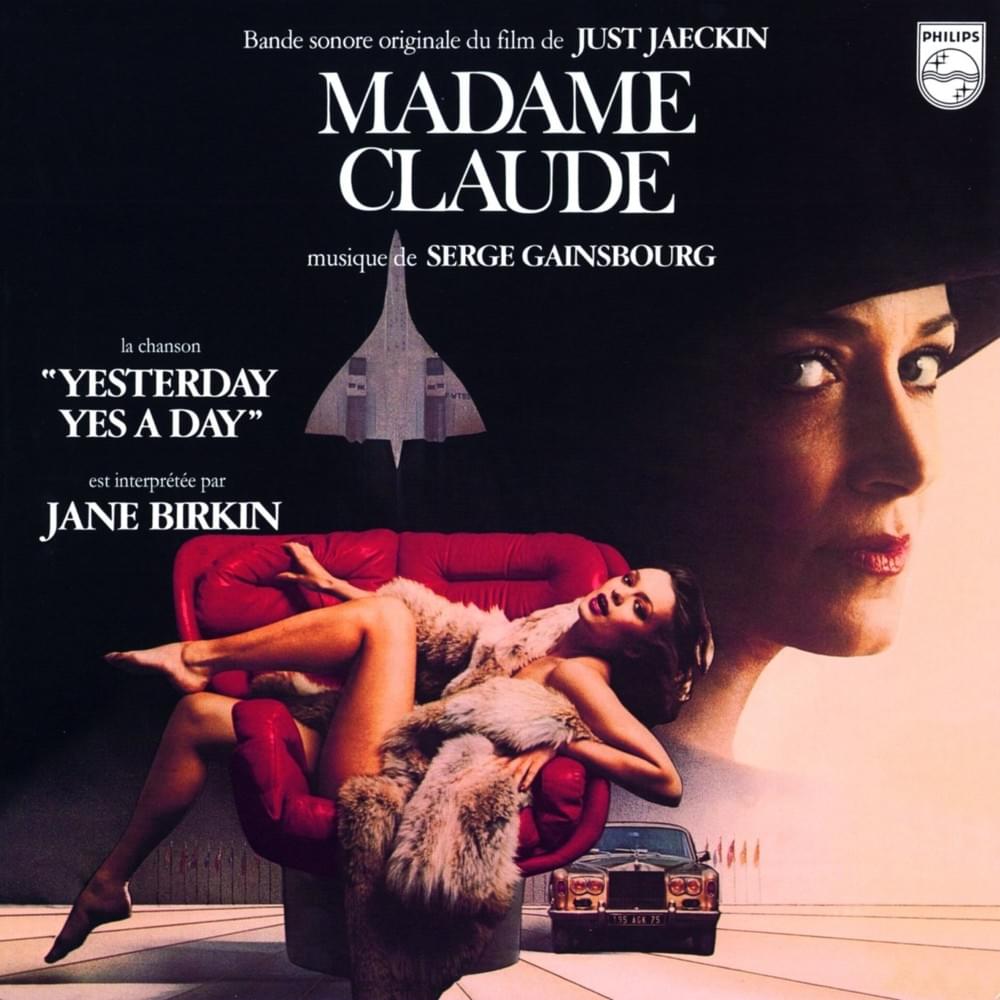
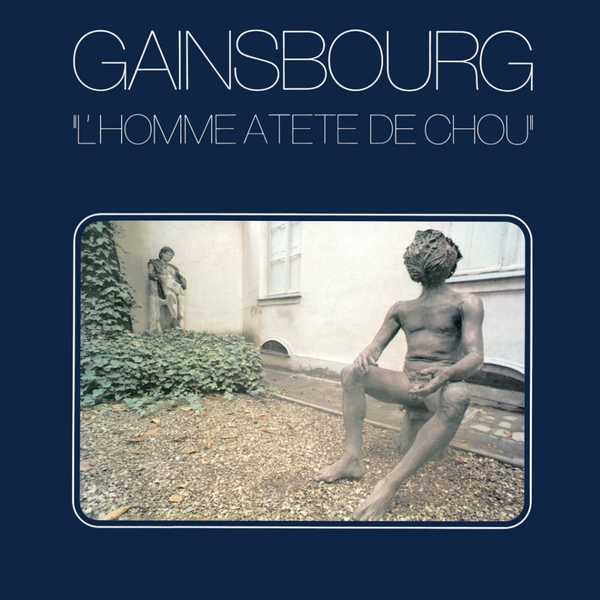
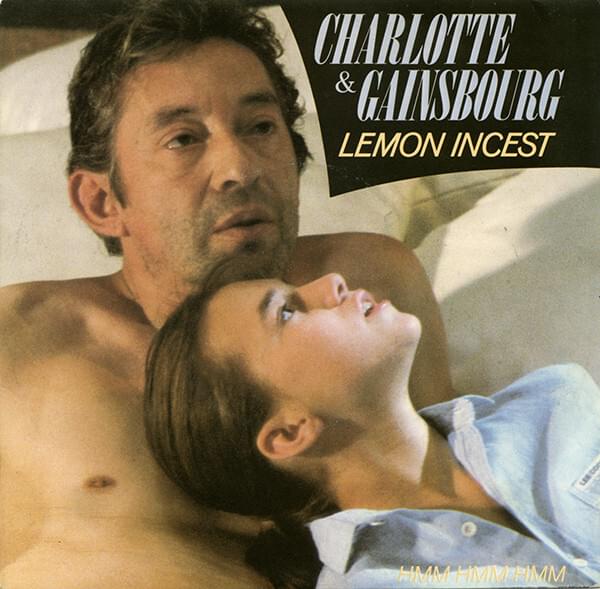
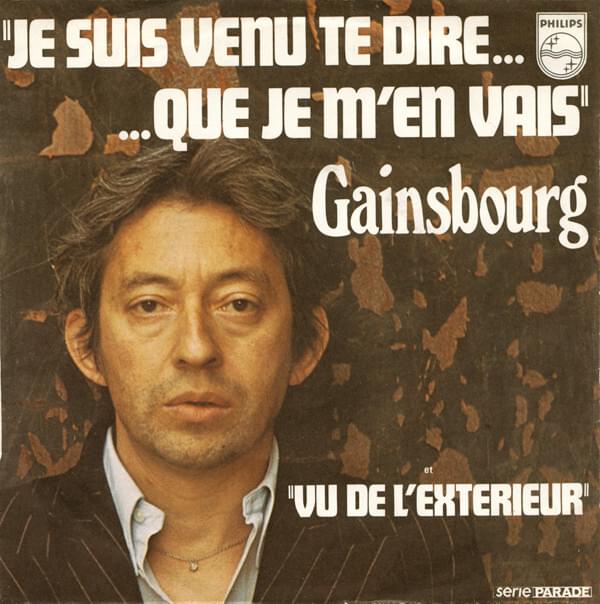
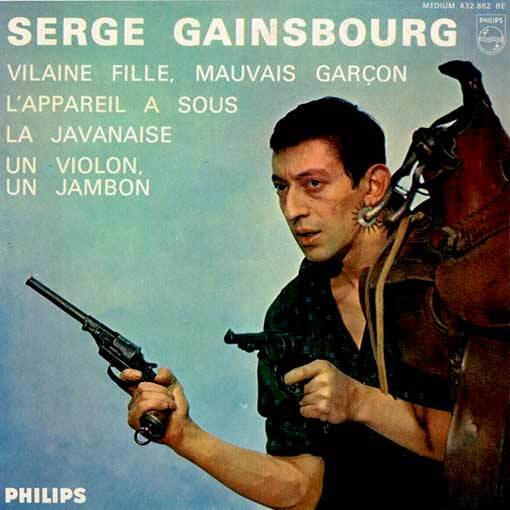
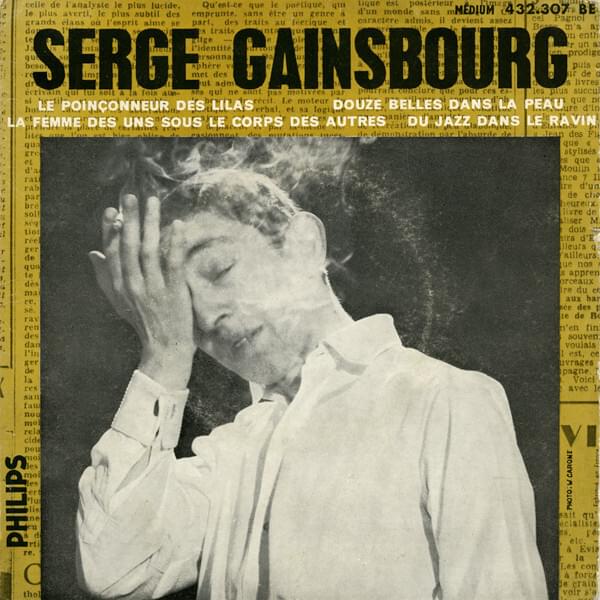
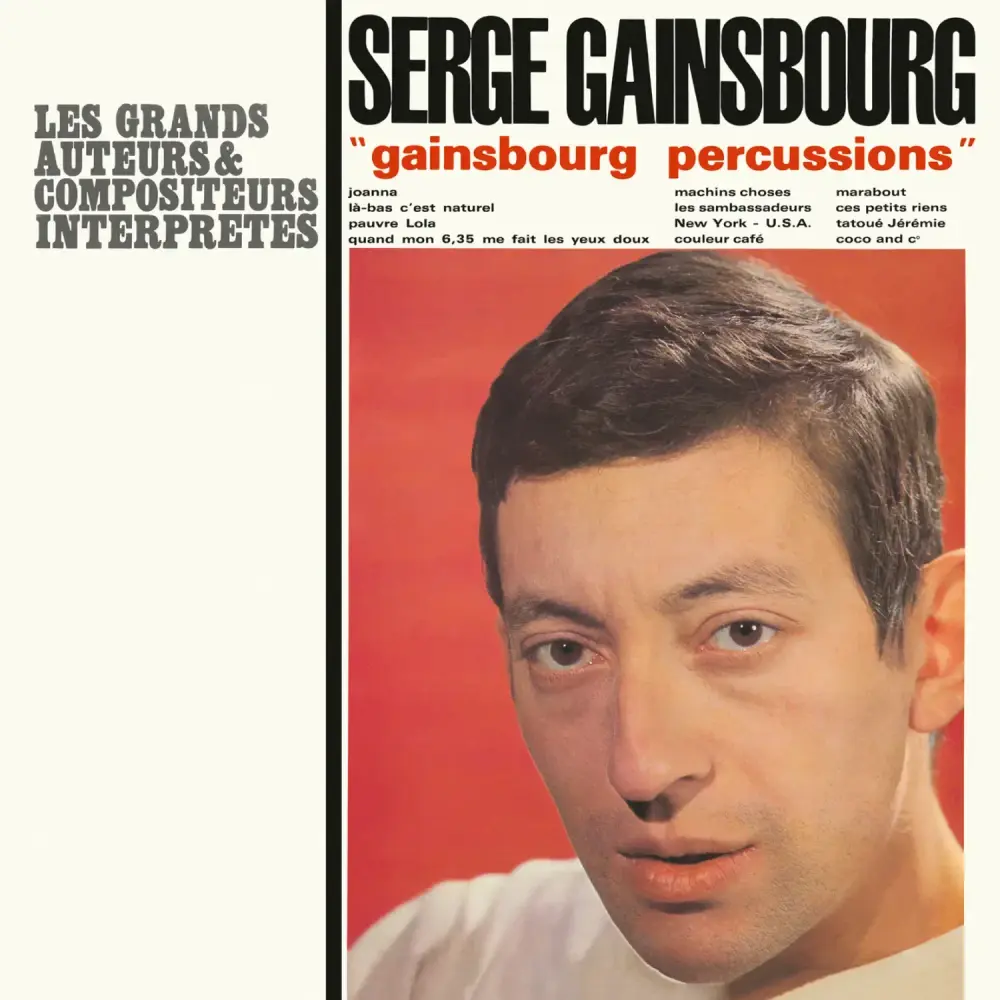
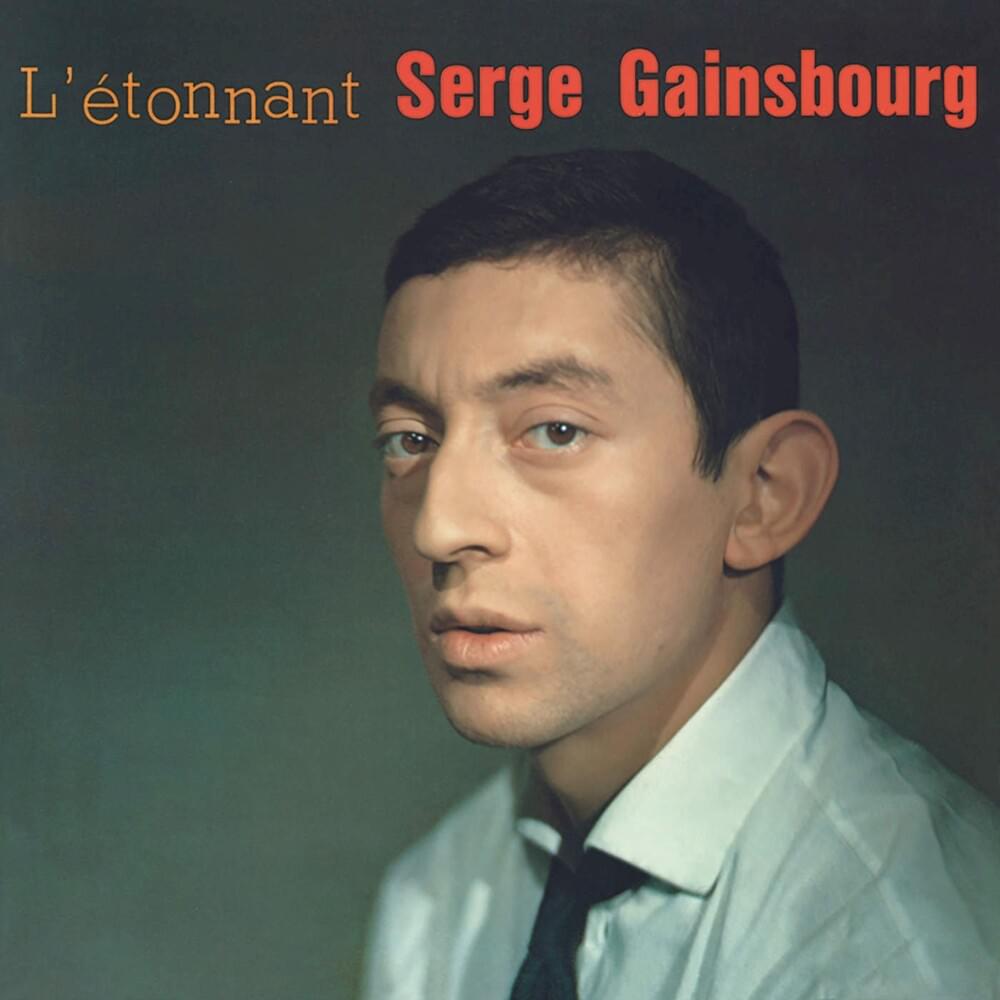
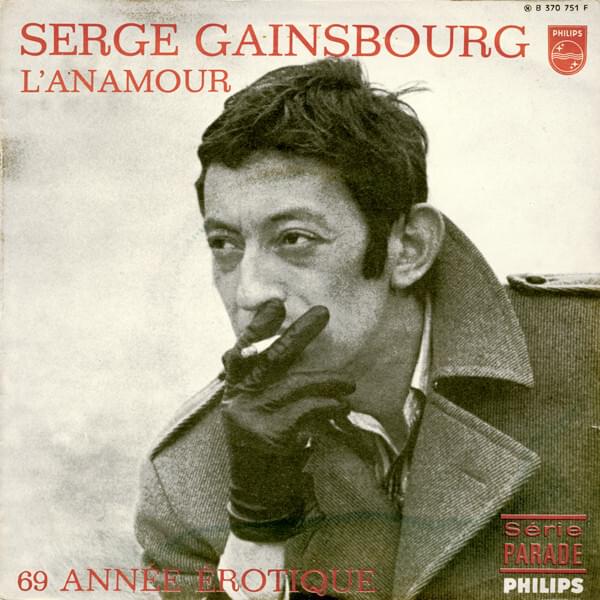
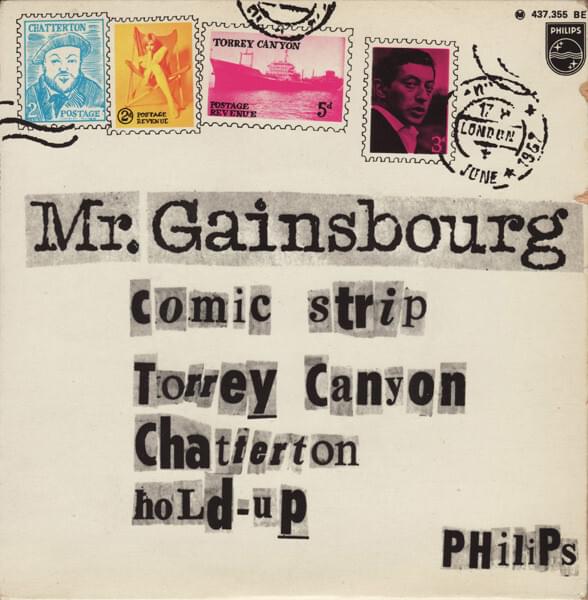
Serge Gainsbourg, born Lucien Ginsburg in Paris in 1928, remains one of France's most iconic and controversial figures. More than just a musician, Gainsbourg was a poet, composer, singer, filmmaker, and actor, whose work defied easy categorization and consistently pushed boundaries. His career, spanning several decades, is a testament to his restless creativity and his willingness to challenge societal norms.
Gainsbourg's early musical endeavors were rooted in jazz and chanson, but he quickly developed a unique style characterized by clever wordplay, cynical wit, and a distinctive, almost spoken-word vocal delivery. He gained initial recognition in the late 1950s with songs like Le Poinçonneur des Lilas, a melancholic tale of a ticket puncher in the Paris Métro. This early work established his reputation as a songwriter capable of capturing the everyday struggles and absurdities of modern life.
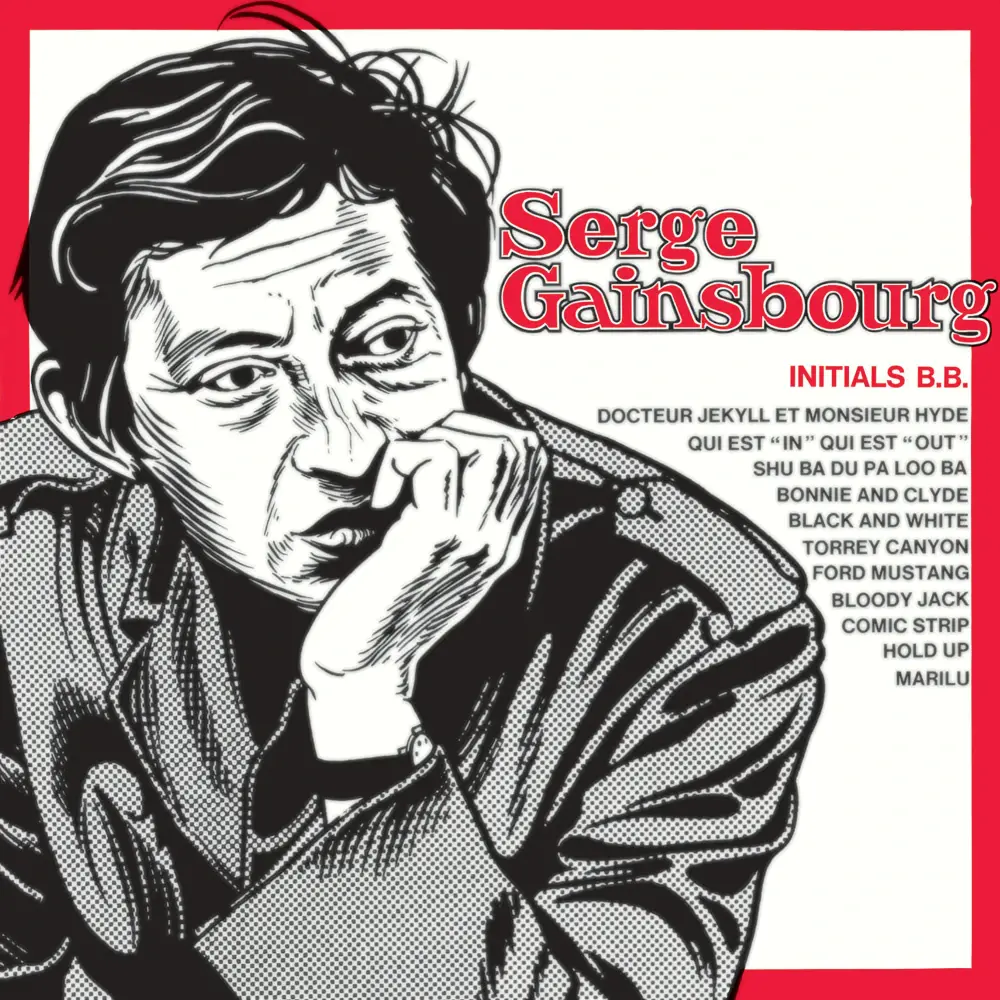
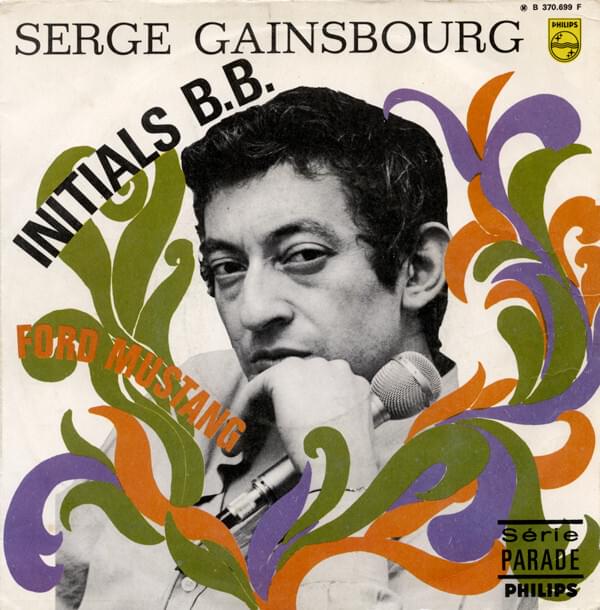
Throughout the 1960s, Gainsbourg's music became increasingly experimental, incorporating elements of pop, rock, and even reggae. He wrote and composed for numerous artists, including his muse and partner, Brigitte Bardot. Their collaboration produced the sultry and iconic Initials B.B., a track that cemented Gainsbourg's status as a musical innovator. His willingness to explore different genres and lyrical themes led to songs like the playful Comic Strip, showcasing his absurdist humor.
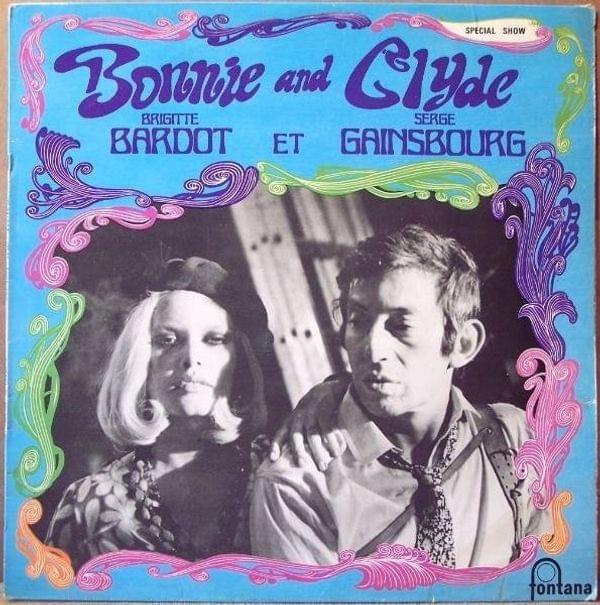
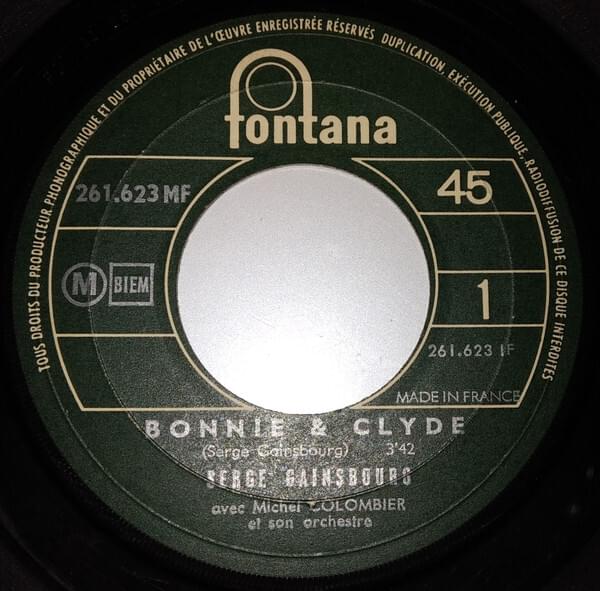
However, Gainsbourg's career was not without controversy. His provocative lyrics and often deliberately shocking public persona drew both admiration and criticism. Songs like Bonnie and Clyde (recorded with Bardot, and later with Jane Birkin) explored darker themes and further solidified his reputation as a provocateur. His later work, including L'Alcool, continued to explore complex and often uncomfortable subjects with unflinching honesty.
Serge Gainsbourg's influence on French music and culture is undeniable. He remains a figure of fascination, admired for his artistic genius, his rebellious spirit, and his willingness to challenge the status quo. He passed away in 1991, leaving behind a rich and diverse body of work that continues to inspire and provoke to this day. Even lesser-known tracks like Ronsard 58 demonstrate his skill in blending classic themes with modern sensibilities.