Song Meaning
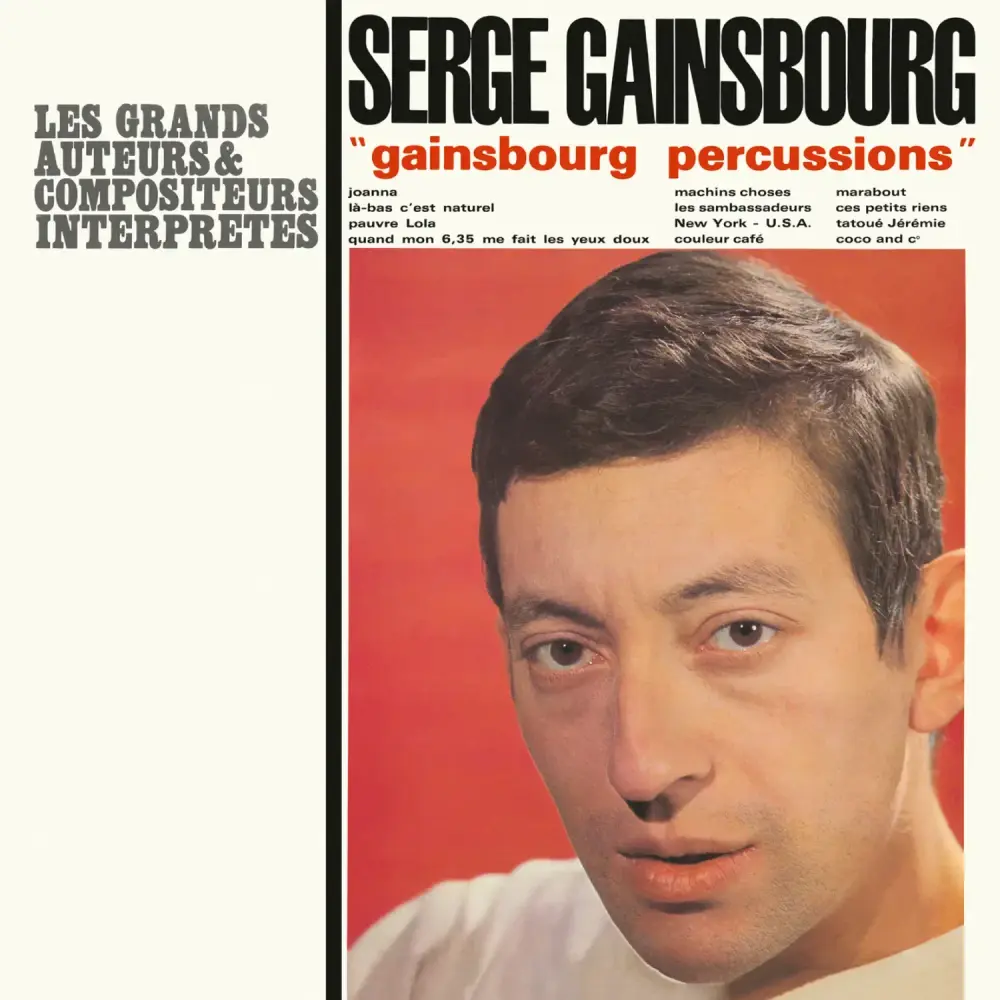
Serge Gainsbourg's "Les Sambassadeurs" is less a song and more a minimalist manifesto for carefree hedonism in the face of potential conflict. The recurring refrain, "Les sambassadeurs sont venus en dansant / Armés de tubas jusqu'au dent" ("The ambassadors came dancing / Armed with tubas to the teeth"), paints a surreal image of diplomacy turned into a joyous, almost absurd, spectacle. The tuba, a traditionally boisterous instrument, becomes a symbol of overwhelming, almost comical, force. It suggests that these "ambassadors" aren't negotiating with words, but with overwhelming musical energy. This subverts the conventional idea of diplomacy, replacing tense negotiations with an almost carnivalesque atmosphere. The layers of meaning suggest a potent, albeit playful, critique of power dynamics.
The verse, "Y a pas l'feu pour s'faire casser la gueule / Y a pas l'feu quand le ciel est bleu / Mieux vaut danser, s'amuser" ("There's no rush to get your face smashed / There's no rush when the sky is blue / Better to dance, have fun"), directly contrasts the implied threat of the tuba-wielding ambassadors. It's a call to prioritize enjoyment and escapism, especially when faced with potential violence or conflict. The blue sky acts as a visual metaphor for peace and tranquility, reinforcing the idea that seeking pleasure is a valid response to a world brimming with potential for harm. It is a conscious choice to ignore or sidestep the darker realities, choosing instead to revel in the present moment.
Ultimately, the song's meaning lies in its paradoxical nature. "Les Sambassadeurs" presents a vision of musical diplomacy that's both absurd and strangely powerful. It uses simple lyrics and a repetitive structure to deliver a message about choosing joy over conflict. The song invites listeners to consider whether escapism is a viable strategy, or a dangerous form of denial. Gainsbourg's genius is his ability to package such a complex question within such a seemingly simple and catchy tune. The song's genius lies in its ability to be interpreted as either a celebration of carefree living, or a cynical commentary on humanity's tendency to ignore impending doom.
 View Artist