Song Meaning
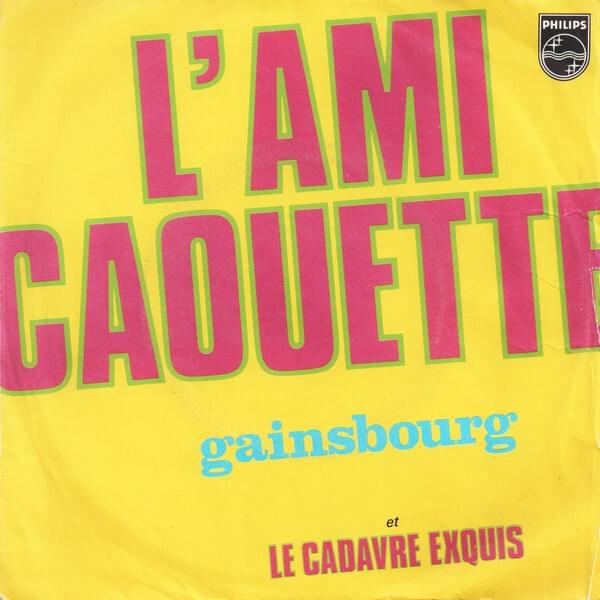
Serge Gainsbourg's "L'Ami Caouette" presents a litany of interpersonal rejections, rendered with the artist's signature blend of cynicism and playful wit. The repeated structure, a call-and-response lament about various friends and acquaintances who have turned against the speaker, quickly establishes a theme of social alienation. The simplicity of the language, almost childlike, belies a deeper exploration of insecurity and the fragility of relationships. Gainsbourg uses humor as a shield, listing the grievances – from being ignored to being called names – with a detached amusement that masks a more profound sense of loneliness. The cumulative effect of these minor betrayals paints a portrait of a character struggling to maintain connections, perhaps due to his own flawed behavior or simply the fickle nature of human interaction.
"L'Ami Caouette" isn't just about being disliked; it's about the performative aspect of rejection. The repeated question, "Qu'a [Name]?" (What's wrong with [Name]?), becomes a kind of ironic refrain. It highlights the speaker's awareness of his unpopularity, even as he feigns ignorance. The song teeters on the edge of self-deprecation, suggesting that the speaker may be complicit in his own social isolation. He's not necessarily seeking sympathy, but rather presenting a catalog of his social failures with a detached, almost anthropological curiosity. The use of childish insults and schoolyard taunts further emphasizes this sense of arrested development, hinting at a deeper emotional immaturity.
Ultimately, the song meaning of "L'Ami Caouette" resides in its stark portrayal of social anxiety and the defense mechanisms we employ to cope with rejection. The seemingly trivial nature of the grievances – a friend giving him the cold shoulder, a girl calling him names – underscores the universality of these experiences. Gainsbourg, with his characteristic cynicism, captures the awkwardness and vulnerability inherent in navigating social relationships, reminding us that even the most sophisticated individuals are not immune to the sting of being disliked. The song serves as a sardonic commentary on the human need for validation and the pain of social exclusion, delivered with a wink and a Gallic shrug.
 View Artist