Song Meaning
{"song_id": 13409090, "meaning": "Serge Gainsbourg’s \"Javanaise Remake\" distills the bittersweet essence of romantic disillusionment into a miniature chanson. The simple declaration \"J'avoue / J'en ai / Bavé pas vous, love\" (I confess, I suffered, unlike you, love) immediately sets the stage. The lyrics paint a picture of vulnerability and perhaps a touch of self-pity, a man admitting he's been through it, seemingly for a love that wasn't quite what he'd hoped. The repeated use of \"love\" serves as both an endearment and a subtle jab, highlighting the chasm between his idealized vision and the reality of the relationship.
The cyclical nature of the verses mirrors the repetitive thoughts and emotions one experiences in the aftermath of a romantic disappointment. The rhetorical question, \"À votre avis / Qu'avons-nous vu, love?\" (In your opinion, what have we seen, love?) suggests a fundamental disconnect in perspective. Gainsbourg isn't just lamenting lost love; he's questioning the shared experience, implying that his partner may not have perceived the relationship with the same depth or sincerity. The line \"Vous m'avez eu, love\" (You got me, love) carries a double meaning, acknowledging both the allure and the subsequent deception.
The final verse, \"Navré / D'avoir / Ouvert mes veines, love\" (Sorry for having opened my veins, love), is a stark admission of emotional exposure and regret. It's a raw, almost masochistic, expression of vulnerability. The nonsensical line following it, \"pour une vraie sa-va la-vo pa-veu, love,\" (for a real sa-va la-vo pa-veu, love) is a clever play on words and sounds, potentially mocking his own over-the-top emotional display. It adds a layer of cynical self-awareness, suggesting that Gainsbourg is not entirely lost in sentimentality but is also capable of dissecting his own dramatic tendencies. Ultimately, \"Javanaise Remake\" is a poignant exploration of love's capacity for both beauty and heartbreak, delivered with Gainsbourg's signature blend of sophistication and subversive wit."}
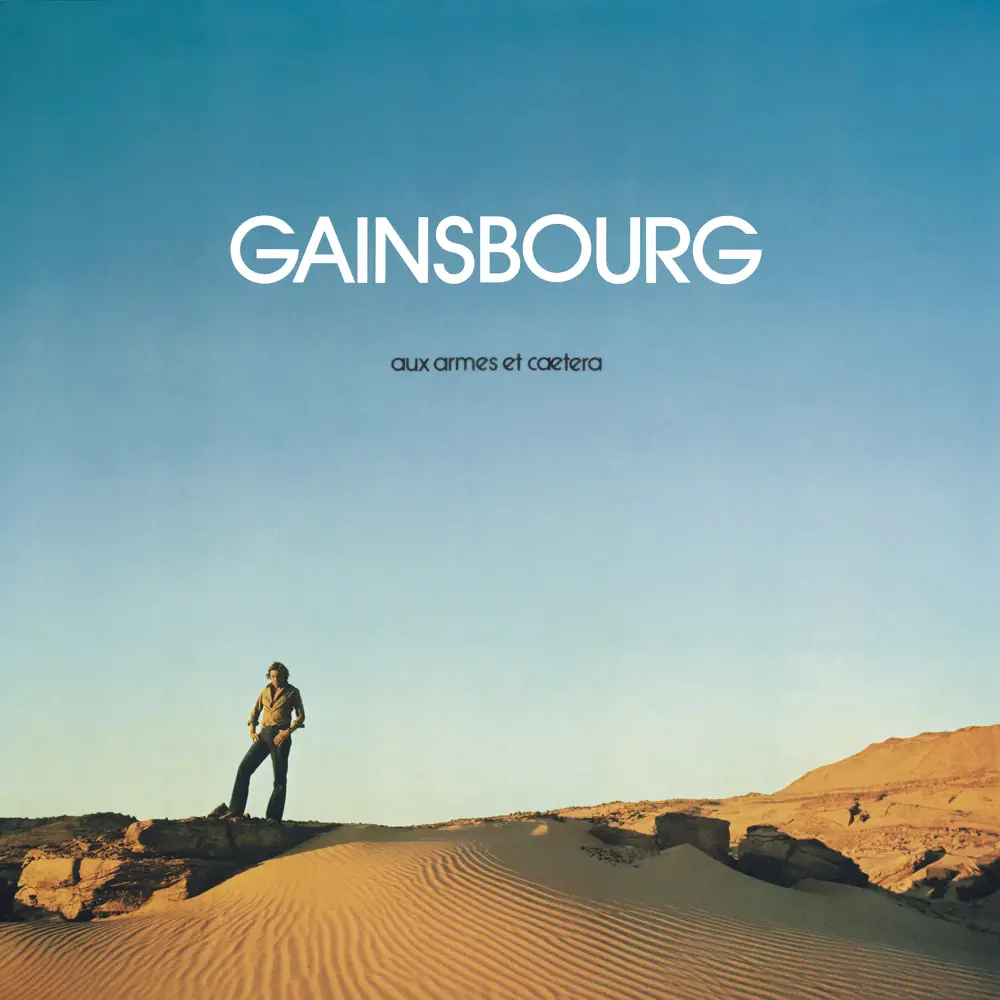
 View Artist