Song Meaning
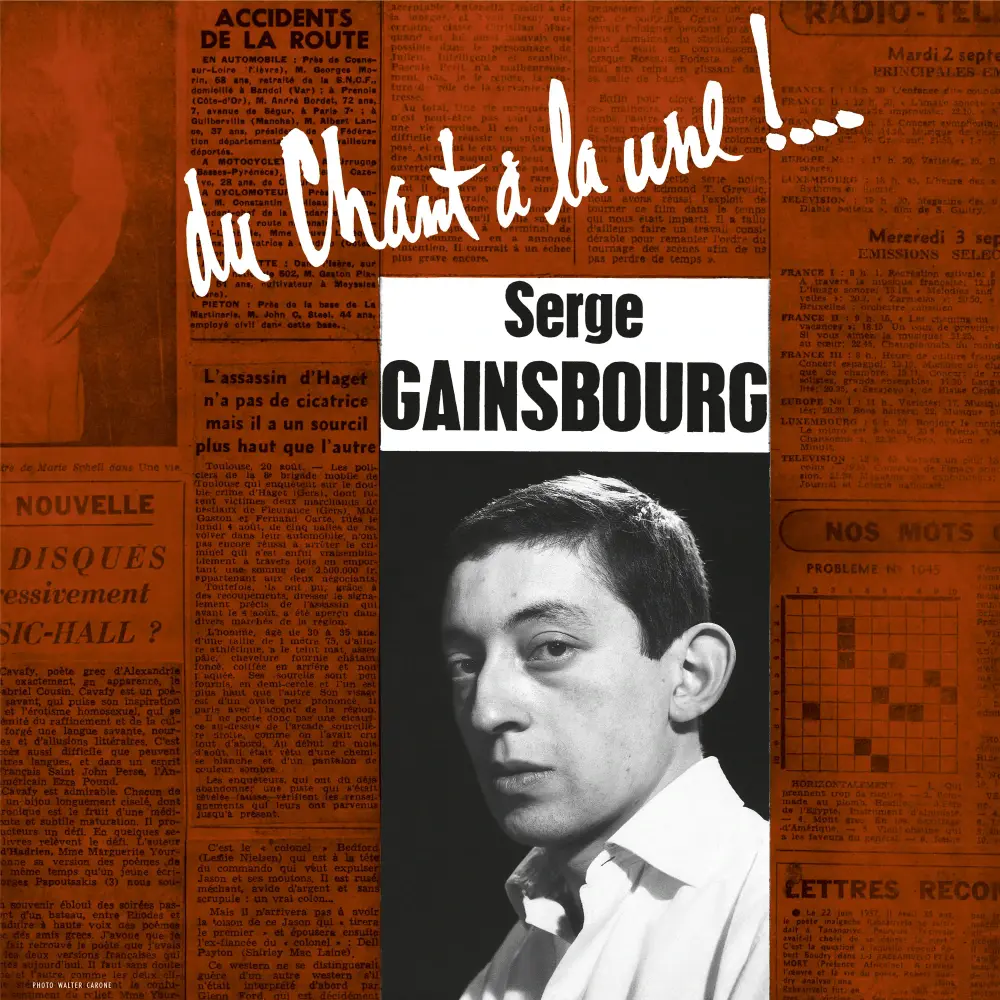
{"song_id": 13409009, "meaning": "Serge Gainsbourg's \"Du jazz dans le ravin\" isn't just a song; it's a miniature film noir playing out in under three minutes. The opening lines, a curt exchange between driver and passenger (\"Listen, are you driving or am I? / Me, okay, then shut up\"), immediately establish a dynamic of tense control and suppressed anxiety. The whisky in the glove compartment and the invitation to \"taper dedans\" (indulge) hint at a desperate attempt to numb the senses, to outrun some unspoken dread. This isn't just a drive; it's an escape. The titular \"jazz dans le ravin\" (jazz in the ravine) becomes bitterly ironic. The request to turn up the radio, to lose oneself in the music, is a classic avoidance tactic, a fragile shield against the inevitable.
The vibraphone solo, smooth and almost deceptively carefree, acts as a counterpoint to the building tension, a sonic embodiment of denial. Then comes the crash, abrupt and brutal: \"Suddenly, just before Monte Carlo / That's it, that's it, bad luck / The Jaguar swerves / And straight ahead it nosedives into the ditch.\" The lyrics don't linger on the impact itself, but on the aftermath.
The bridge, chilling in its brevity, underscores the song's dark humor: \"And while the two were dying / The radio, the radio continued to yell.\" The saxophone solo that follows is no longer escapist; it's a mournful, almost sarcastic lament. The final lines, delivered with Gainsbourg's signature detached cynicism, are the ultimate punchline: \"Tomorrow / They'll pick them up / With a spoon.\" \"Du jazz dans le ravin\" transforms a car crash into a meditation on mortality, self-deception, and the absurd persistence of art in the face of oblivion. It's a quintessential Gainsbourgian blend of cool detachment and profound existential dread."}
 View Artist