Song Meaning
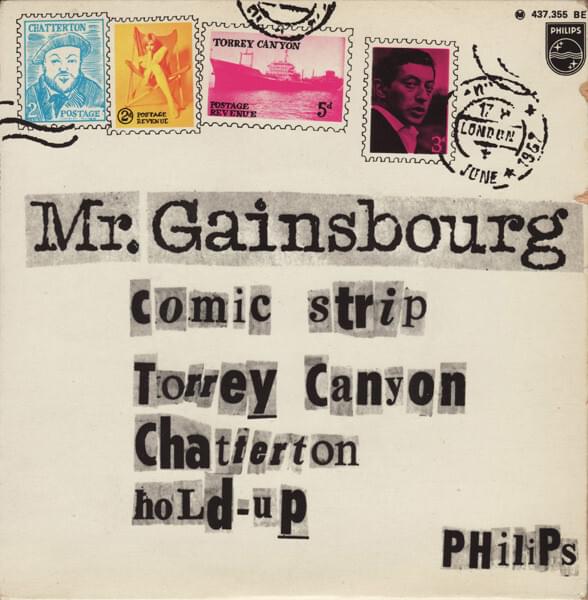
Serge Gainsbourg's "Chatterton" isn't just a song; it's a stark, minimalist portrait of existential dread, painted with the names of historical figures who succumbed to despair, madness, or both. The relentless repetition of "Chatterton, suicidé" (Chatterton, suicide) alongside Hannibal, Cleopatra, Van Gogh, and others creates a chilling litany of brilliant minds undone. The song meaning resides not in complex narratives, but in the cumulative weight of these names, each a condensed tragedy. Gainsbourg cleverly juxtaposes these figures with those driven mad – Nietzsche, Goya, Schumann – blurring the line between creative genius and mental unraveling.
The brilliance of "Chatterton" lies in its restraint. The lyrics analysis reveals a devastating simplicity. Gainsbourg avoids elaborate metaphors, instead opting for blunt declarations. The refrain, "Quant à moi / Quant à moi / Ça ne va plus très bien" (As for me / As for me / Things aren't going very well), is a masterstroke of understatement. Sandwiched between verses cataloging historical suicides and mental breakdowns, this admission feels less like a personal confession and more like an acknowledgment of a shared human condition. It's the quiet voice of someone staring into the abyss, recognizing the echoes of past sufferers.
Ultimately, "Chatterton" is about the precariousness of existence, particularly for those with the sensitivity and vision to perceive the world's inherent absurdity. Gainsbourg doesn't offer answers or solace. He simply presents a stark reality: the path to brilliance can be a treacherous one, often leading to the very edge of sanity. The song's power lies in its ability to evoke a deep sense of unease, a recognition that the potential for self-destruction resides within us all. It's a haunting reminder that even the greatest minds are not immune to the darkness.
 View Artist