Song Meaning
{"song_id": 13411198, "meaning": "Serge Gainsbourg's \"Chanson de Maglia\" isn't just a love song; it's a stark, self-aware portrait of perceived unworthiness and the almost desperate yearning for connection. The opening lines cut to the quick: \"Vous êtes bien belle / Et je suis bien laid.\" This isn't mere flattery; it's an admission of profound inequality, a chasm of self-doubt laid bare. He contrasts her radiant beauty with his own perceived ugliness, associating himself with dust and spiders—symbols of decay and neglect. This immediately establishes a power dynamic, a feeling that he's reaching far above his station. The repetition of this verse emphasizes the depth of his insecurity, hammering home the perceived imbalance.
But within this self-deprecation lies a flicker of hope, a fragile proposition for a shared existence. The second verse shifts tonally, offering a complementary, almost symbiotic relationship. \"Tu feras le jour, je ferai la nuit\" speaks to a duality, a willingness to embrace opposing roles in order to create a whole. He doesn't try to become the sun; instead, he offers protection, a shield against the vulnerabilities of her world (“Je protégerais / Ta vitre qui tremble”). The lines “Nous serons heureux / Nous serons ensemble” are delivered with a quiet longing, the simplicity of the words masking the enormity of the desire behind them. He's not promising grand romance, but rather a quiet, shared existence built on acceptance and protection.
Ultimately, \"Chanson de Maglia's\" song meaning rests on the tension between self-loathing and the yearning for connection. Gainsbourg explores themes of perceived inadequacy, offering not a triumphant overcoming of these feelings, but rather an acceptance of them as part of the self. It's a love song filtered through the lens of deep-seated insecurity, a testament to the human desire for belonging, even when one feels unworthy. The cyclical return to the opening verse reinforces the inescapable nature of these feelings, suggesting that even in the promise of togetherness, the shadow of self-doubt remains."}
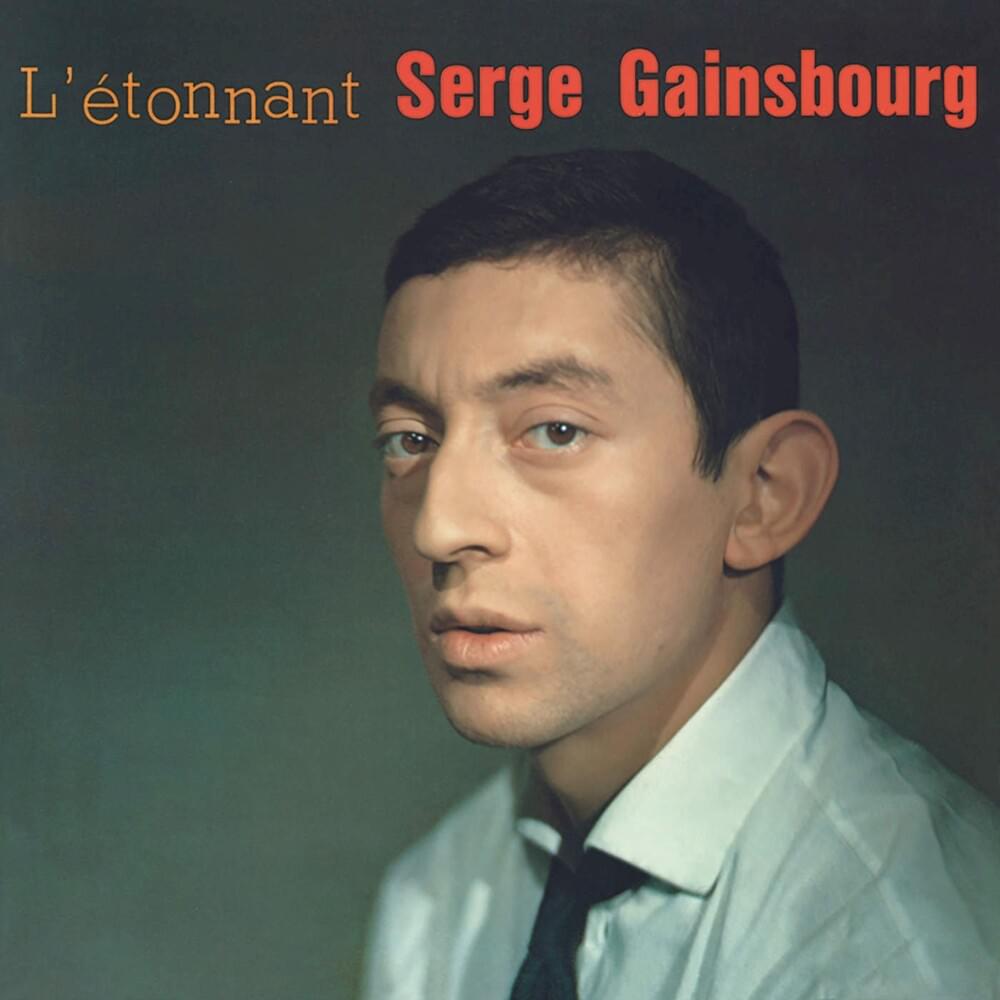
 View Artist