Song Meaning
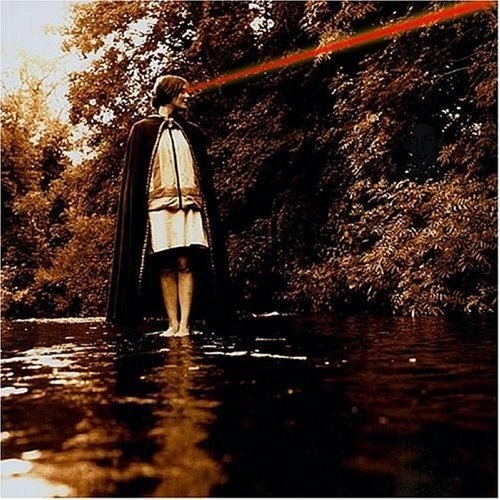
Scout Niblett's "River Of No Return" isn't just a title; it's a primal scream echoing through the chambers of the heart. The song's stark simplicity, almost a child's lament, belies a profound meditation on loss and the irreversible currents of time and emotion. Niblett doesn't paint a picturesque scene. Instead, she evokes a visceral experience, a journey down a waterway where the past is forever out of reach. The repeated phrase "River of No Return" becomes a mantra, a haunting reminder that some crossings are absolute. The "Wailaree!" refrain, part siren song, part primal wail, amplifies the sense of inescapable destiny. It's a call from the depths, both alluring and terrifying.
The river itself functions as a metaphor for love, a force that can be "peaceful" or "wild and free," but ultimately carries us away, perhaps against our will. To lose one's love on this river is to surrender to the inevitable flow of life, where moments slip away, and people become ghosts in our personal landscapes. The yearning expressed – "forever my heart will yearn" – isn't just about romantic loss; it's a broader acknowledgement of the human condition, our inherent longing for what is gone, for second chances that never arrive. The cyclical nature of the lyrics mirrors the ceaseless movement of the river, suggesting that this ache is not a singular event but a recurring theme in the human experience.
Ultimately, "River Of No Return" is a masterclass in emotional minimalism. Niblett strips away artifice to reveal the raw nerve endings of grief and acceptance. The repetition of "no return" isn't just a statement of fact; it's an incantation, a spell cast to confront the unyielding reality of irreversible change. The lover's call, "Come to me," becomes a cruel taunt, a reminder of what is forever beyond reach. The song’s power lies in its refusal to offer easy solace, instead forcing us to confront the uncomfortable truth that some rivers only flow in one direction.
 View Artist